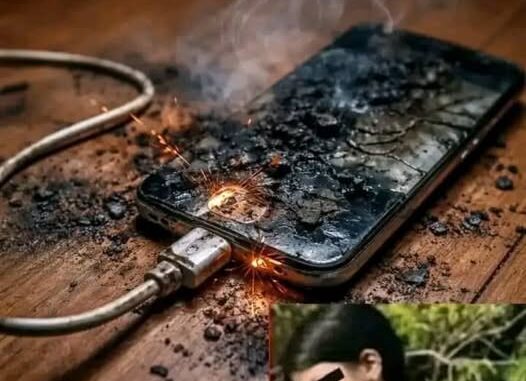
Charging your devices has become such an ordinary part of daily life that it rarely prompts a second thought. Phones, laptops, tablets, and wearables are constantly plugged in, often overnight or while in use. Yet beneath this routine lies a set of risks that are frequently underestimated. When done improperly, charging devices can lead to overheating, electrical faults, and in extreme cases, fires. Understanding these risks—and more importantly, how to prevent them—is essential for maintaining a safe home environment.
One of the most common issues stems from damaged or low-quality charging equipment. Frayed cables, bent connectors, and exposed wires are more than just inconveniences; they are clear safety hazards. When the protective insulation of a cable is compromised, the electrical current inside can escape or fluctuate unpredictably. This increases the likelihood of short circuits, sparks, or overheating. Many people continue to use damaged cables because they still “work,” but functionality does not equal safety. A cable can deliver power while simultaneously posing a serious risk.
Equally concerning is the widespread use of uncertified or counterfeit chargers. These products are often cheaper and more accessible, but they lack the safety standards enforced by reputable manufacturers. Certified chargers are designed with built-in protections against overcurrent, overheating, and voltage fluctuations. Uncertified alternatives may skip these safeguards entirely, making them far more dangerous. While saving a few dollars might seem appealing, the potential consequences—damage to devices, electrical hazards, or even fire—are simply not worth the risk.
Another frequent mistake is overloading power strips and outlets. In modern households filled with electronics, it is common to plug multiple devices into a single strip. However, every outlet has a limit to how much electrical load it can safely handle. Exceeding that limit can cause the strip to overheat, melt, or fail entirely. This is particularly dangerous when high-power devices, such as laptops or heaters, are connected alongside multiple chargers. The combined load can quickly exceed safe thresholds, especially if the power strip itself is of poor quality.
The surface on which devices are charged also plays a significant role in safety. Charging devices on soft materials like beds, couches, or carpets can trap heat and restrict airflow. Electronic devices naturally generate heat during charging, and without proper ventilation, that heat builds up. Over time, this can damage internal components or create conditions that increase the risk of fire. Hard, flat surfaces—such as desks or tables—allow for better heat dissipation and significantly reduce this risk.
Even seemingly harmless habits, like leaving chargers plugged in when not in use, can contribute to long-term safety concerns. While a charger without a connected device consumes minimal energy, it can still generate small amounts of heat continuously. Over extended periods, especially with lower-quality chargers, this can degrade internal components and increase the likelihood of failure. Additionally, a plugged-in charger remains a live electrical point, which can be a hazard in certain conditions, such as power surges or moisture exposure.
Recognizing warning signs is crucial for preventing accidents before they occur. Excessive heat is often the first indicator that something is wrong. A charger or cable that becomes unusually hot to the touch should be disconnected immediately. Other warning signs include burning smells, discoloration around the plug or cable, flickering power, or a loose and unstable connection. These symptoms should never be ignored, as they often signal underlying electrical issues that can escalate quickly.
Preventative measures are both simple and highly effective. First and foremost, always use certified chargers from reputable brands. These products are designed to meet safety standards and undergo rigorous testing. Regularly inspecting cables for signs of wear and tear is another essential habit. If a cable shows any damage, it should be replaced immediately rather than repaired or continued in use.
Proper distribution of electrical load is equally important. Instead of plugging multiple devices into a single outlet or strip, spread them across different outlets whenever possible. Investing in high-quality surge protectors can also provide an added layer of safety, particularly in areas prone to voltage fluctuations. Keeping chargers and devices away from flammable materials, such as paper, fabric, or bedding, further reduces the risk of fire.
Ventilation should never be overlooked. Ensuring that devices have adequate airflow while charging helps regulate temperature and prevents overheating. This is especially important for larger devices like laptops, which generate more heat than smaller electronics. Placing devices on hard, flat surfaces and avoiding enclosed spaces can make a significant difference.
Unplugging chargers when they are not actively in use is another simple yet effective safety practice. While it may seem like a minor step, it reduces unnecessary heat generation and eliminates the risk of idle electrical faults. Over time, these small actions collectively contribute to a safer environment.
It is also important to approach the topic with a balanced perspective. While viral headlines often dramatize the dangers of charging devices, the risks themselves are real. Electrical fires caused by faulty chargers or improper usage do occur, even if they are not as common as sensationalized reports suggest. The key is not to become fearful, but to be informed and proactive.
Ultimately, charging devices safely comes down to awareness and responsible habits. By paying attention to the condition of your equipment, using certified products, avoiding overloading outlets, and ensuring proper ventilation, you can significantly reduce the risks associated with everyday charging. These precautions require minimal effort but offer substantial protection for both your devices and your home.
In a world where technology is deeply integrated into daily life, safety should never be an afterthought. Small, consistent actions—like replacing a damaged cable or unplugging a charger—can prevent potentially serious consequences. Prioritizing safety over convenience is not just a recommendation; it is a necessity in maintaining a secure and reliable living environment.