My neighbor knocked on my door the evening after I opened my alterations shop to tell me the block had ‘concerns’ about foot traffic — and I smiled and told her I was glad she came by.
I had spent the better part of two years building toward that moment. Not the confrontation. The shop.
After my divorce from Greg was finalized, I was left with the house, a sewing machine I had owned since I was nineteen, and about $4,200 in my checking account. Greg had drained most of our joint savings before I even knew we were in trouble — that story is its own novel — but I kept the house and I kept my skills, and I decided that was enough to start over.
My sister, Paulette, thought I was being reckless. She said it to my face, which I respected, but she said it more than once, which wore on me. “You are fifty-one years old,” she told me one Sunday at her kitchen table, stirring her coffee like it had done something wrong. “You cannot just open a sewing shop out of your living room and expect it to pay your mortgage.”
She wasn’t wrong to worry. My mortgage is $1,340 a month, and in those early months I was pulling in maybe four hundred in alterations work while I built my client list. I had a spreadsheet. I had a timeline. I had taken a small business course through the county extension office and spent six weeks learning what a home occupation permit was, what it required, and exactly how to apply for one.
I converted the front room of my house into a clean, professional workspace. A curtained fitting area. A proper counter. Good lighting. I put a small tasteful sign in the window — nothing garish, nothing that would read as a storefront from the street, because the permit had specific language about signage that I followed to the letter.
I filed the permit application in early spring. I paid the $75 filing fee. I waited.
While I waited, my neighbor Renee started watching. I noticed her car idling at the curb when clients arrived. I noticed her talking to the man two houses down, my neighbor Dale, whose name I only knew because he had introduced himself three years ago during a block party and then never spoken to me again. They were talking and glancing.
I told Paulette what I was observing and she said, “You should have just gotten a job.” I stopped telling Paulette things for a while after that.
Clients were coming twice a week at most. We’re talking about someone dropping off a bridesmaid dress, picking it up four days later. We’re not talking about a parade. But I understood what this was really about. I had moved into this neighborhood as a married woman and I was now a divorced woman running a business out of her house, and that made some people uncomfortable in a way they dressed up as civic concern.
The permit came through on a Tuesday afternoon. I printed it the same evening. I printed several copies, actually — one for my records, one laminated for the workspace wall, and a couple of extras, because I had a feeling.
I had a feeling because that morning I had seen Renee take photographs of a client’s car parked in front of my house.
She knocked on my door that same evening, around seven. She had the look of someone who had rehearsed what she was going to say. She was wearing her good cardigan, the one she had on at the block party three years ago, and she had clearly freshened her lipstick. She told me that she was speaking on behalf of several neighbors. She told me there were concerns about the character of the block changing. She told me foot traffic was a quality-of-life issue. She said she was sure I understood.
“I’m so glad you came by,” I said. “I was actually just thinking about you.”
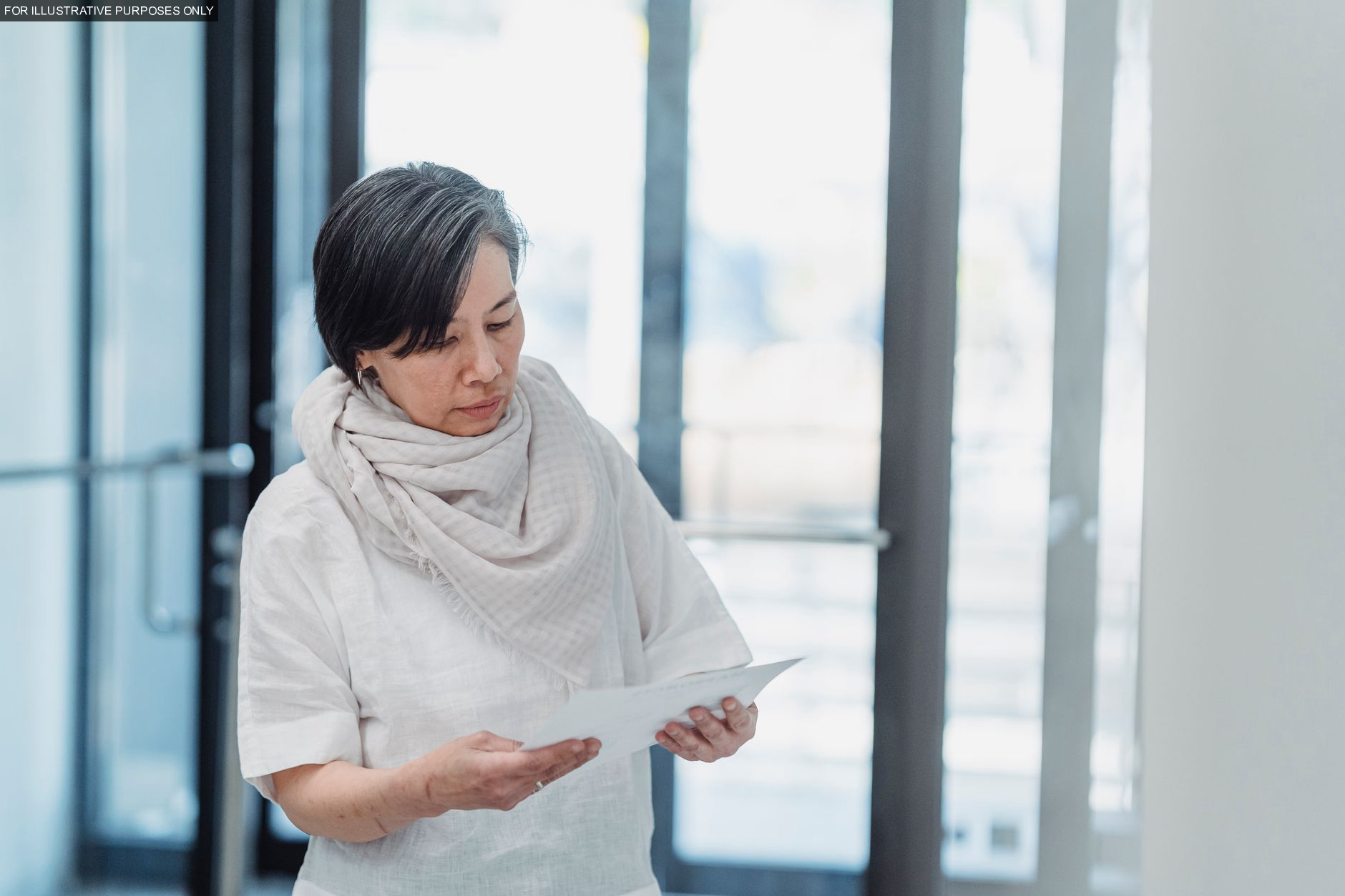
I stepped back inside and picked up the copy I had set on the entry table. I handed it to her.
I told her it was my home occupation permit, issued that afternoon by the county, and that I had printed extras for any neighbors who wanted documentation of my compliance. I told her the permit number was at the top if she wanted to look it up herself, and that the county office was open weekdays until four-thirty.
She looked at the paper for a long moment.
She said, “Oh.”
She folded it once and held it at her side and said she was glad everything was in order, and she wished me well with my business, and she went back down my front steps.
Paulette called me the following Sunday. I told her the permit had come through and that the shop was doing well — I had cleared $2,800 that first month, enough to cover the mortgage with breathing room.
She was quiet for a second. Then she said, “Good for you. I mean that.”
I think she did mean it. And I think I needed to hear it from her specifically, because she had been the loudest voice telling me I couldn’t.
The shop is still open. Renee waves to me now when she gets her mail. It is a small wave, and I give her a small wave back, and I think that is exactly the right size for what we are to each other.