I knew he was lying before I ever admitted it to myself, and I kept writing to him anyway.
His name was Callum — or at least, that was the name he gave me. He told me he was a recently widowed cardiologist living just outside Edinburgh, that medicine had made him brilliant at saving everyone except himself. He said his late wife, Eleanor, had died of a brain aneurysm eighteen months before we matched online, that grief had turned his grand stone house into a museum he couldn’t stop walking through. Every detail was cinematic. Every detail was placed.
I was lonely. My sister, Petra, had been telling me for two years to try online dating. She’d found her husband that way. She made it sound safe and ordinary. So I made a profile in January, and by February I was exchanging three, four, five messages a day with a man who knew exactly how to make a grieving woman feel chosen.
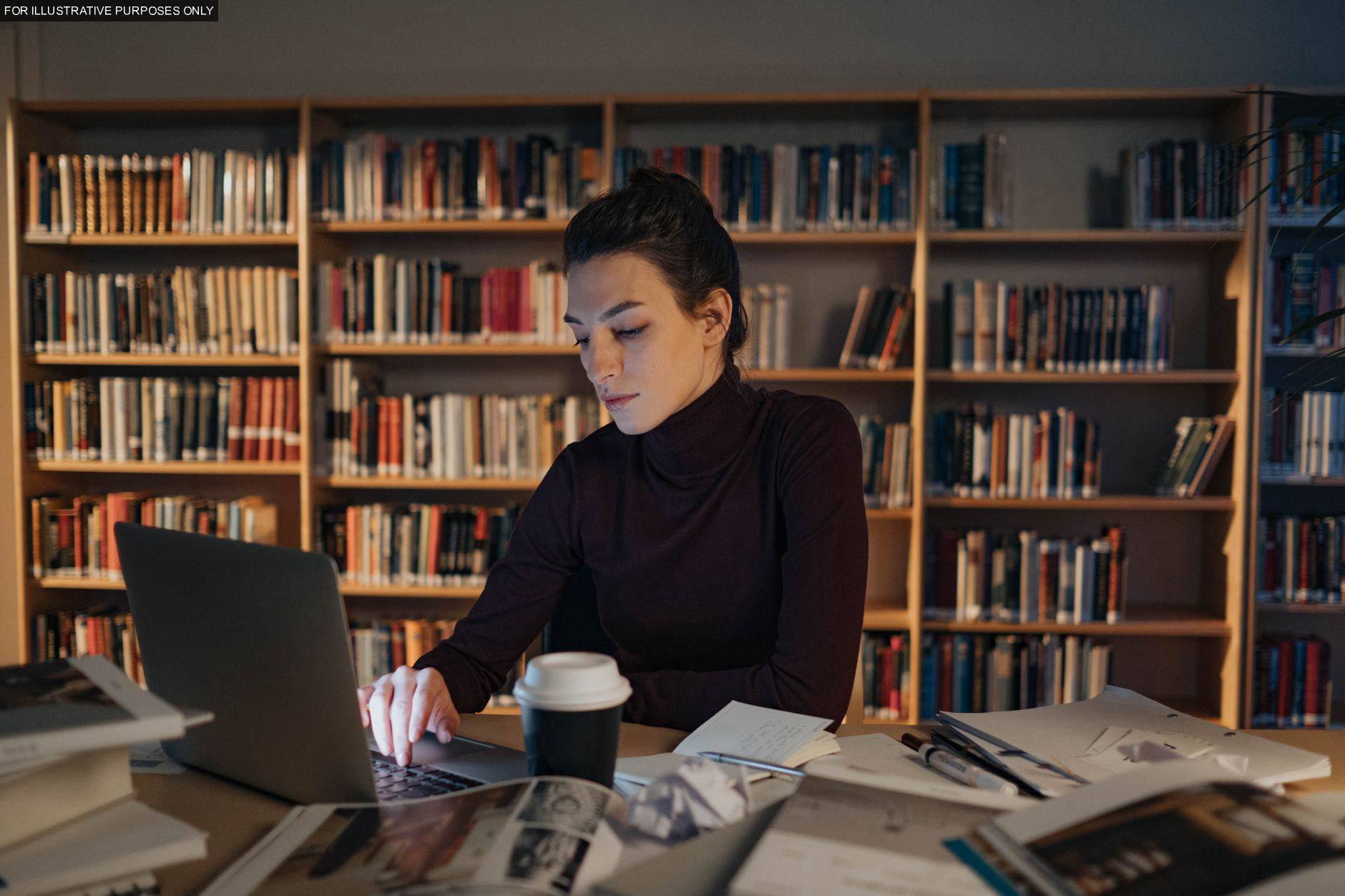
I’m not young and I’m not naive. I’m fifty-one years old, I run my own bookkeeping firm, and I have raised two children on my own since my divorce in 2009. I know what manipulation looks like in a spreadsheet. I just hadn’t seen it dressed up like loneliness before.
The first thing that snagged was the graduation year. He told me he’d qualified as a physician in 1994. I don’t know why I checked — some back-brain instinct, the kind you develop from years of finding the number that doesn’t belong in a column. I searched the university he named. A simple search, nothing sophisticated. The cohort he described would have graduated in 1990, not 1994. Four years off. That’s not a misremembering. That’s a construction.
I told myself it was a typo.
Then I looked up the hospital. The department he described — a specialist cardiac unit he claimed to head — had no record online, no staff page, no mention in any NHS directory I could find. I emailed their general enquiries address asking about a Dr. Callum Marsh. They replied within a day. No one by that name had ever worked there.
I kept writing to him.
I am not proud of that. But I think part of me needed to watch it unfold completely before I could believe it. And part of me — the part Petra still shakes her head about — had already transferred $4,200 to a travel account I’d opened specifically because he said he wanted to visit me in Toronto in the spring. He’d said flights from Edinburgh were brutal, that he’d cover his half once a locum contract payment cleared. I told myself it was a loan. I told myself I’d see him at the airport in April.
“I’ve never felt this understood by anyone,” he wrote to me in March. “Not even Eleanor. Is that terrible to say?”
I screenshotted it. I don’t know why, even then.
My son, Daniel, is twenty-six and works in cybersecurity. I didn’t tell him about Callum for three months, which tells you everything about how ashamed I already was. When I finally mentioned it — just mentioned it, over dinner in early April when Callum had delayed his visit for the second time — Daniel put his fork down and looked at me the way adults look at parents when they’re trying not to be cruel.
“Mum,” he said. “Give me the email address.”
He didn’t do anything illegal. He didn’t need to. Within forty-eight hours he had pulled together something that made my stomach drop through the floor. The email domain Callum used — the one he’d told me was his NHS work account — had been registered eleven months ago, not years. The registration record was public. The name on it was not Callum Marsh. The name on it was a man based in Lagos.
Daniel printed it out. He sat it on the kitchen table next to a screenshot of the wire transfer confirmation from my travel account, timestamped March 3rd, $4,200 sent, and he didn’t say a single word. He just let me look.
I looked for a long time.
I contacted my bank the next morning. Because I had the wire confirmation, the registration records Daniel found, and the email chain showing explicit false representations about his identity and profession, the fraud team opened a case. It took eleven weeks, which felt like eleven years. But in July I received a full reversal of the $4,200 directly back to my account, and a letter confirming the case had been referred to an international fraud unit.
I wrote one final message to the account before I blocked it. I didn’t accuse him. I didn’t explain. I just wrote: “The graduation year was four years off. That was the first thing.”
He never replied.
Petra called me the day the money came back. She cried more than I did. “I told you to try online dating,” she kept saying. “I’m so sorry, I told you to try it.”
I told her it wasn’t her fault. It wasn’t. The only thing I’m still working through is how long I kept writing after I already knew. That part doesn’t have a clean resolution. But the $4,200 is back in my account, the man in Lagos is in a database somewhere, and I now know that the instinct that makes me good at bookkeeping — that refusal to let a number that doesn’t fit just sit there — was right the first time.
I just needed my son to show me the printout before I believed myself.