A Texas woman says an evening out with a friend ended in a frightening group assault during which her attackers repeatedly shouted their support for Karmelo Anthony, the teenager convicted of murdering high school athlete Austin Metcalf. The reported incident in Longview has drawn national attention because of the alleged words used during the confrontation and the suggestion that the woman may have been selected partly because of her race and physical size. Police have confirmed that they are investigating the assault and have arrested one person, but authorities have not publicly verified every part of the woman’s account or established that all of the alleged attackers were connected to any organized campaign supporting Anthony.
The woman said she and a friend had been walking back toward her vehicle after going out for drinks when they encountered a group of strangers. According to her social-media account, the group approached them and a confrontation quickly became violent. She alleged that several women attacked her together and continued pursuing her as she attempted to get away.
During the assault, the woman said she heard people in the group shouting “Free Karmelo.” She also claimed that members of the group talked about targeting the smallest White woman they could find. Those statements, if confirmed, could become important to investigators attempting to determine the motive behind the attack and whether the alleged conduct should be investigated as a possible bias-related offense.
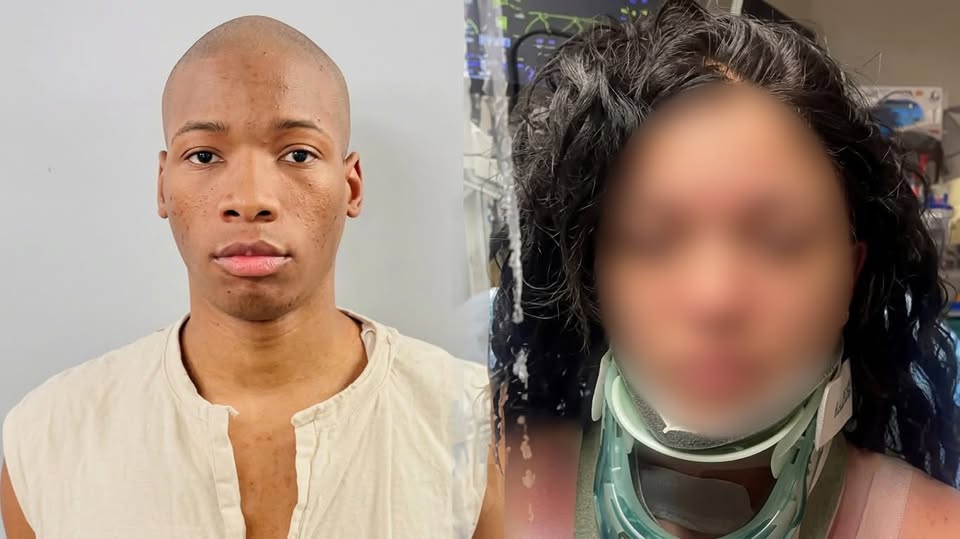
The victim’s description has been widely shared online, accompanied by photographs that appeared to show injuries to her face. Because the images are disturbing, they have intensified public reaction to the case. However, photographs alone cannot establish who caused the injuries, what events preceded the confrontation or whether every statement attributed to the attackers was accurately heard and remembered.
Longview police said they were investigating and had arrested one suspect in connection with the incident. Authorities had not publicly identified that person at the time of the initial report. The investigation remained active, meaning additional arrests or charges were possible but had not been announced.
The existence of an arrest confirms that police considered the allegations serious enough to take enforcement action. It does not establish the guilt of the arrested person. Under the American criminal justice system, a suspect is presumed innocent unless prosecutors prove the charges beyond a reasonable doubt in court.
Investigators will likely seek surveillance recordings from nearby businesses, traffic cameras or private security systems. They may also examine mobile-phone videos, photographs, messages and social-media posts connected to the people involved. Witness interviews could help establish the order of events, the number of participants and the words allegedly spoken during the assault.
The victim’s friend may be a particularly important witness because she was reportedly present before and during the confrontation. Police may compare her statement with the victim’s description, physical evidence and any available recordings.
Officers will also attempt to determine whether the group had encountered the women by chance or had deliberately searched for someone to attack. That distinction could affect both the potential charges and the way prosecutors describe the alleged motive.
The phrase “Free Karmelo” refers to the public campaign supporting Karmelo Anthony, who was convicted in June 2026 of murdering 17-year-old Austin Metcalf. Anthony and Metcalf were both students when the fatal confrontation occurred at a high school track meet in Frisco, Texas, on April 2, 2025.
The confrontation began during a weather delay when Anthony entered a tent being used by athletes from Metcalf’s school. Witnesses said Metcalf asked him to leave. An argument followed, and Anthony fatally stabbed Metcalf during the dispute.
Anthony admitted that he used the knife but argued that he acted in self-defense after Metcalf put his hands on him. Prosecutors maintained that Anthony escalated the conflict and responded with deadly force when it was not legally justified.
A jury rejected the self-defense argument and found Anthony guilty of murder. He was sentenced to 35 years in prison. His lawyers have since begun an appeal, and supporters continue to argue that the trial and conviction should be reexamined.
The Metcalf case attracted intense national attention almost immediately. Discussions online frequently divided along racial and political lines because Anthony is Black and Metcalf was White. Supporters of Anthony described him as a teenager who reacted to a perceived threat, while supporters of the Metcalf family said the self-defense narrative minimized an unjustified killing.
The case also generated fundraising campaigns, protests, counterprotests, misinformation and harassment directed at both families. False claims about the evidence spread rapidly on social media, making it difficult for members of the public to distinguish verified information from fabricated posts and political commentary.