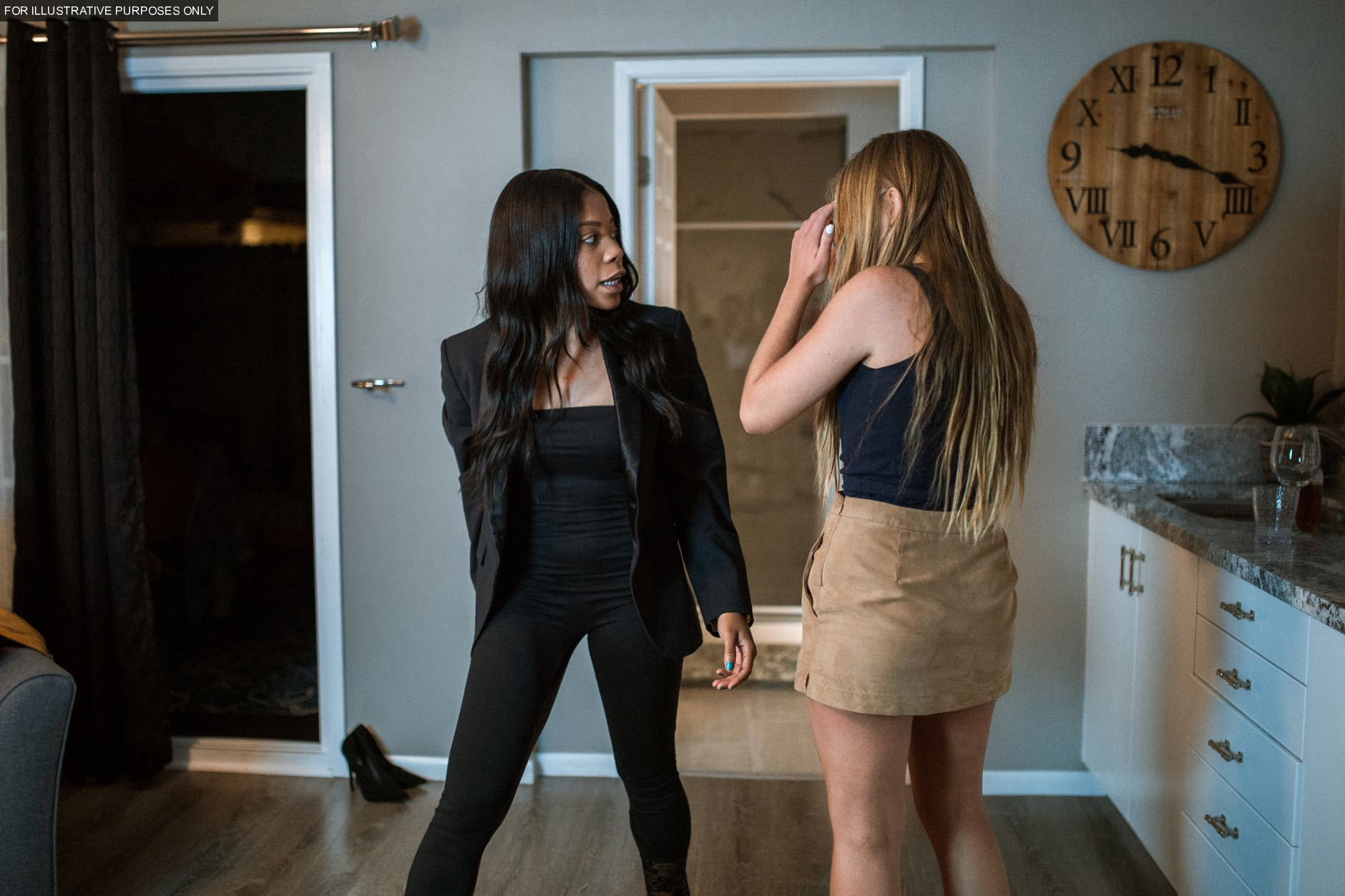
My sister-in-law, Priya, slid a handwritten list across the breakfast table the morning after we buried my mother-in-law, and I sat there watching her tap each item with her fingernail like she was presenting a business proposal.
My husband, Daniel, had barely slept. His eyes were red and swollen and he was still wearing the same shirt from the day before. We had driven four hours home from the funeral, fallen into bed at 2 a.m., and somehow Priya had already texted before seven asking us to come to the family house for a “quick meeting” before everyone scattered.
I thought she meant food. I thought she meant going through what to do with the casseroles in the refrigerator or who was taking the leftover flowers.
It was not about the flowers.
The list was written on a piece of yellow legal pad paper in Priya’s neat, looping handwriting. At the top she had written “Mom’s Jewelry” and underlined it twice. Below that were fourteen items, each with a small checkbox next to it. The pearl choker. The diamond tennis bracelet. The sapphire ring my mother-in-law, Elaine, had worn every single day for thirty-one years. The gold locket with the photos inside. All fourteen items had a small checkmark already drawn in the box.
She had checked them herself before she handed it to us.
“I just want to get this settled before people start asking,” Priya said. She smiled the way she always smiled, with her mouth but not her eyes. “Mom would have wanted the family pieces to stay in the family.”
Daniel looked at the list. Then he looked at me. He didn’t say anything. I think he was too tired and too grief-broken to know what he was looking at yet.
I knew exactly what I was looking at.
Elaine and I had been close. Quietly close, in the way that a mother-in-law and daughter-in-law can be when they are both trying not to make anyone feel left out. She had shown me her jewelry box two years ago, after her first health scare. She sat on the edge of her bed and held each piece and told me who gave it to her and when. She told me the tennis bracelet alone had been appraised at $34,000. She told me she wanted Daniel to have a say in what happened to everything. She had made that very clear to me, and I believed her, and then she went home and apparently did not write it down anywhere Priya knew about.
What Priya did not know was that Elaine had also called an estate attorney named Gerald Foss about fourteen months before she died.
I had driven Gerald Foss two hours that morning. He was sitting in my car in the driveway at that exact moment, drinking coffee from a travel mug, waiting for me to text him.
I had found out about Gerald six weeks earlier, when Elaine was in the hospital for the last time and asked me to call him for her. She couldn’t manage the phone. She was tired and her hands shook and she whispered his name and his number to me and asked me to tell him it was time to get the paperwork to Daniel directly. I did not tell Daniel at the time because Elaine asked me not to, because she wanted it to come from Gerald and not from me, so it would be official and clean and there would be no room for anyone to say I had influenced anything.
I had honored that. All six weeks of it.
Priya was still talking. She had started explaining which pieces had sentimental value to her specifically and why the locket in particular should go to her because she was the daughter, not the daughter-in-law, and she said that last part looking directly at me.
“I hope you understand,” she said. “It’s just the way these things work in our family.”
Daniel put his hand flat on the table. I could see him trying to find the words.
I picked up my phone and sent Gerald one text. It said: “You can come in now.”
The doorbell rang about forty-five seconds later.
Priya frowned. “Who is that?”
Daniel looked at me. I didn’t answer Priya. I got up and walked to the front door and opened it, and Gerald Foss stepped inside in his gray suit with his briefcase and introduced himself by name and title, and I watched Priya’s face go through about six different expressions in four seconds.
Gerald sat down at the table and opened his briefcase and produced a copy of Elaine’s formal estate documents, signed and notarized fourteen months prior. Daniel was named executor. The jewelry was to be divided at the executor’s discretion, with specific written notes from Elaine attached about her intentions for each piece.
The sapphire ring, the one Priya had already checked off her list, had a note next to it in Elaine’s own handwriting. It said it was to go to Daniel’s wife. To me.
Priya did not say much after that. She folded her list and put it in her pocket and within twenty minutes she had found a reason to leave.
Daniel held that ring for a long time before he put it in my hand. He didn’t say anything. He didn’t have to.
Sometimes the person who loved you most makes sure, even after she’s gone, that you are not left standing alone at the table.