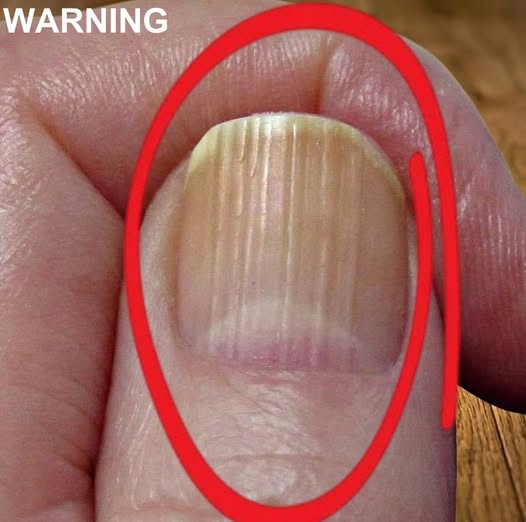
Why Vertical Lines on Your Fingernails Are More Common Than You Think
Noticing thin vertical lines running from the base of your fingernails to the tips can be surprising, especially when they seem to appear more prominently over time. For many people, these lines become noticeable after the age of 40, leading to questions and sometimes unnecessary concern. However, in most cases, these lines are completely normal and simply reflect natural changes that occur as the body ages.
These lines are known as vertical or longitudinal nail ridges, and they are a common feature of aging—much like wrinkles in the skin or changes in hair texture. Just as our skin loses elasticity and our hair may thin or turn gray, our nails also evolve. These subtle ridges are often one of the earliest visible signs of that natural progression.
Understanding How Nails Grow
To understand why these ridges form, it helps to look at how nails are made. Fingernails are composed of keratin, a tough, protective protein that is also found in hair and skin. This keratin is produced in the nail matrix, a small but vital area located beneath the cuticle at the base of the nail.
As we age, the process of keratin production can slow down or become less uniform. Instead of growing in a perfectly smooth, even surface, the nail may develop slight variations in thickness. These variations appear on the surface as vertical ridges, running from the cuticle to the tip.
Importantly, these ridges are usually harmless. They do not indicate damage or disease in most cases, but rather reflect the natural rhythm of a body that is gradually changing over time.
The Role of Dryness
One of the most significant factors that can make nail ridges more noticeable is dryness. As the body ages, nails tend to retain less moisture. This loss of hydration can make the surface of the nail appear rougher and more textured.
External factors often contribute to this dryness as well. Frequent handwashing, exposure to cleaning products, and the use of harsh soaps can strip away the natural oils that help keep nails smooth and flexible. Over time, this repeated exposure can accentuate ridges, making them more visible than they would otherwise be.
Even environmental conditions, such as cold weather or low humidity, can play a role. When the air is dry, nails are more likely to become brittle and show surface irregularities.
Lifestyle and Nutritional Influences
While aging is the primary cause of vertical nail ridges, lifestyle factors can also influence their appearance. Nutrition, in particular, plays an important role in overall nail health.
Nails rely on a steady supply of vitamins and minerals to grow properly. Nutrients such as biotin, iron, zinc, and certain B vitamins support keratin production and contribute to stronger, smoother nails. When the body experiences mild imbalances or deficiencies, the nails may reflect those changes through texture or appearance.
That said, it’s important to note that most vertical ridges are not a sign of serious deficiency. They are usually a combination of natural aging and minor variations in the body’s internal balance.
Circulation and Nail Growth
Another subtle factor in nail health is circulation. Healthy blood flow is essential for delivering oxygen and nutrients to the nail matrix. As we age, circulation can change slightly, affecting how efficiently these nutrients reach the growing nail.
These changes are typically gradual and not harmful, but they can influence the consistency of nail growth. The result may be small variations in texture, including the development of vertical ridges.
Simple Ways to Care for Aging Nails
The good news is that caring for aging nails is both simple and effective. Small daily habits can make a noticeable difference in how nails look and feel.
Moisturizing is one of the most important steps. Applying a nourishing hand cream or cuticle oil regularly helps restore lost moisture and improves the overall appearance of the nails. Well-hydrated nails tend to look smoother, and ridges may become less pronounced.
Protecting your hands during household tasks is equally important. Wearing gloves while cleaning or washing dishes prevents prolonged exposure to water and chemicals, both of which can weaken nails over time.
Gentle grooming also plays a role. Filing nails in one direction, rather than back and forth, reduces the risk of splitting and helps maintain a smooth edge. Avoiding overly aggressive buffing is also recommended, as it can thin the nail surface.
Supporting Nail Health from Within
In addition to external care, internal habits are just as important. Staying hydrated helps maintain moisture levels throughout the body, including the nails. Drinking enough water supports not only nail health but overall well-being.
A balanced diet rich in fruits, vegetables, lean proteins, and whole grains provides the nutrients needed for healthy nail growth. Foods high in biotin, such as eggs and nuts, and those rich in iron and zinc can contribute to stronger nails over time.
When to Pay Closer Attention
While vertical ridges are usually harmless, it’s still important to stay aware of your nails as part of your overall health. Sudden changes in color, shape, or thickness may warrant closer attention.
For example, dark lines, horizontal ridges, or significant changes in nail structure can sometimes indicate underlying conditions that should be evaluated by a healthcare professional. Paying attention to these signs ensures that any potential concerns are addressed early.
A Natural Part of Aging
Ultimately, vertical nail ridges are a reflection of something entirely natural: the passage of time. They are a reminder that the body is constantly evolving, adapting, and changing.
Rather than being seen as a flaw, these small lines can be understood as part of the body’s story—subtle markers of growth, experience, and resilience.
With proper care, awareness, and a balanced approach to health, nails can remain strong and healthy at any age. And those faint ridges? In most cases, they’re simply a sign that your body is doing exactly what it’s meant to do.