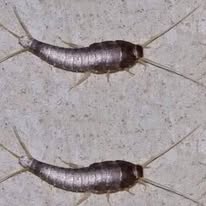
Silverfish are among the oldest surviving insects on Earth, with a history that stretches back hundreds of millions of years. Their appearance reflects that ancient lineage—small, wingless, and covered in a silvery-gray sheen that gives them their name. Typically about 1½ inches long, they move in a quick, wriggling motion that resembles a fish swimming through water, which can be unsettling when spotted inside a home.
Although silverfish are harmless to humans—they don’t bite, sting, or spread disease—their presence is far from insignificant. In fact, seeing one is often a warning sign. These insects thrive in specific conditions, and when they appear indoors, it usually means your home is providing the exact environment they need to survive: moisture, darkness, and access to food.
Understanding what attracts silverfish, how they behave, and how to eliminate them is key to keeping your home protected.
Why Silverfish Are Attracted to Your Home
Silverfish are not random invaders. They are highly selective about where they settle, preferring spaces that are humid, dark, and undisturbed. This is why they are most commonly found in areas like bathrooms, basements, kitchens, and laundry rooms—places where moisture tends to accumulate and airflow is limited.
Humidity plays a major role in their survival. Silverfish require damp environments to prevent dehydration, which is why homes with poor ventilation or excess moisture become ideal habitats. Leaky pipes, condensation, or even consistently steamy bathrooms can create the perfect conditions for them to thrive.
In addition to moisture, they are drawn to easily accessible food sources. Unlike many pests that seek out obvious food, silverfish feed on materials that often go unnoticed. They are particularly attracted to starchy and sugary substances found in everyday household items.
What Silverfish Feed On


4
Silverfish have a surprisingly broad diet, and much of what they consume exists quietly around your home. Their primary targets include:
- Paper and books (especially those with glue bindings)
- Cardboard and storage boxes
- Wallpaper and adhesives
- Fabrics such as cotton, linen, and silk
- Pantry crumbs and starchy food residues
Because of this, infestations can lead to subtle but frustrating damage. Books may develop small holes or yellow stains. Clothing can become weakened or marked. Stored items in boxes may deteriorate without immediate notice.
What makes silverfish particularly problematic is that their damage often goes unnoticed until it becomes more extensive. Since they prefer dark, hidden spaces, they can feed undisturbed for long periods.
Signs of a Silverfish Infestation
Seeing a single silverfish might not seem alarming, but it is rarely an isolated occurrence. These insects tend to live in groups, and spotting one often means others are nearby.
There are several signs that can indicate silverfish activity in your home:
- Yellowish stains on paper, fabrics, or walls
- Tiny holes or irregular damage in books, clothing, or wallpaper
- Shed skins, as silverfish molt throughout their lives
- Small black droppings that resemble pepper grains
Because they are nocturnal, silverfish are most active at night. You may notice them darting away quickly when lights are turned on, disappearing into cracks, baseboards, or hidden crevices.
Early detection is important. Silverfish reproduce relatively quickly, and a small presence can grow into a larger infestation if conditions remain favorable.
The First Step: Controlling Moisture


5
The most effective way to eliminate silverfish is to remove the environment they depend on—starting with moisture.
Since humidity is essential to their survival, reducing it makes your home far less hospitable. This can be done through several practical steps:
- Use dehumidifiers in damp areas such as basements
- Install or improve ventilation in bathrooms and kitchens
- Run exhaust fans during and after showers
- Fix leaky pipes and eliminate standing water
- Open windows when possible to improve airflow
Even small changes can have a significant impact. As humidity levels drop, silverfish struggle to survive and reproduce, naturally reducing their population.
Removing Food Sources and Reducing Clutter
Once moisture is under control, the next step is to eliminate what attracts silverfish in the first place—their food.
This involves being mindful of how items are stored and maintained. Pantry goods should be kept in airtight containers to prevent access to crumbs or starches. Old newspapers, magazines, and cardboard boxes should be cleared out or stored properly, as these are common feeding grounds.
Regular cleaning also plays an important role. Vacuuming, dusting, and wiping surfaces remove the small particles that silverfish rely on. Clutter, especially in storage areas, provides both food and hiding spots, making it easier for infestations to develop.
By keeping your home clean and organized, you remove both the resources and the shelter that silverfish depend on.
Sealing Entry Points and Hiding Spots


4
Silverfish are excellent at hiding. Their flat bodies allow them to slip into tiny cracks and crevices, making it easy for them to remain undetected.
Sealing these entry points is an important part of long-term prevention. Pay close attention to:
- Baseboards and floor edges
- Gaps around pipes and plumbing fixtures
- Cracks in walls or ceilings
- Spaces behind cabinets or appliances
Using caulk or sealant to close these gaps not only limits where silverfish can hide but also reduces the chances of new ones entering your home.
Natural Repellents and Safe Solutions
For those looking to avoid harsh chemicals, there are several natural methods that can help repel or eliminate silverfish.
Diatomaceous earth is a popular option. This fine powder damages the outer layer of insects, eventually causing dehydration. It can be applied in areas where silverfish are commonly seen, such as along baseboards or in corners.
Boric acid is another effective solution, though it should be used carefully, especially in homes with pets or children.
Essential oils like lavender and cedarwood can also act as natural deterrents. While they may not eliminate an infestation on their own, they can help discourage silverfish from settling in certain areas.
Using Traps to Monitor and Reduce Numbers
Traps can be a helpful addition to your approach, especially when combined with other methods.
Sticky traps are easy to use and can capture silverfish as they move around at night. Homemade traps, such as rolled-up damp newspaper, can also attract them. Once the silverfish gather inside, the trap can be disposed of.
While traps won’t solve the problem entirely, they are useful for monitoring activity and reducing the population while you address the underlying causes.
Prevention: The Key to a Silverfish-Free Home
In the end, the most effective way to deal with silverfish is prevention.
Maintaining a dry, clean, and well-ventilated home creates an environment where silverfish simply cannot thrive. Regular maintenance, proper storage, and attention to moisture levels go a long way in keeping them away.
It’s not about reacting to an infestation—it’s about ensuring one never takes hold in the first place.
Silverfish may be ancient survivors, but they are highly dependent on specific conditions. Once those conditions are removed, they lose their advantage.
By staying proactive and consistent, you can protect your home, your belongings, and your peace of mind—keeping these unwelcome visitors from turning your space into theirs.