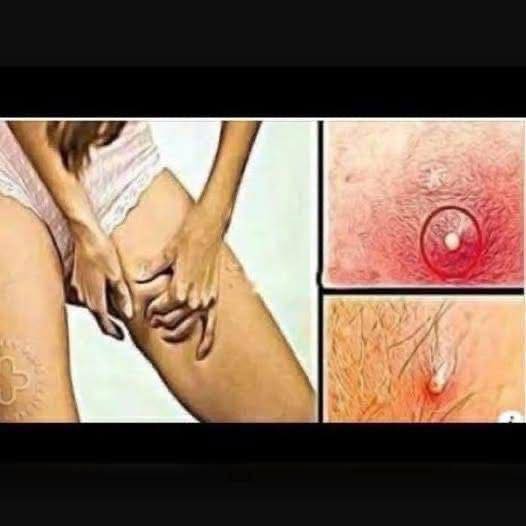
Skin irritation in the groin area is a common yet often uncomfortable condition that affects people of all ages and genders. Because this part of the body is naturally warm, frequently moist, and subject to friction from clothing and movement, it creates an environment where irritation and infections can easily develop. While many cases are mild and manageable at home, understanding the causes, symptoms, and treatments is essential for both relief and long-term prevention.
One of the most frequent causes of groin irritation is ingrown hairs. These occur when a hair curls back or grows sideways into the skin instead of rising outward. This often leads to small, red, itchy bumps that can sometimes resemble pimples. Ingrown hairs are commonly triggered by shaving, waxing, or wearing tight clothing that rubs against the skin. In many cases, they resolve on their own, but irritation can worsen if the area is scratched or repeatedly shaved. Applying warm compresses can help soften the skin and allow the hair to emerge naturally. Avoiding shaving for a period of time, or using proper shaving techniques—such as shaving in the direction of hair growth and using clean razors—can significantly reduce recurrence.
Another common condition is folliculitis, which is an inflammation or infection of the hair follicles. It often appears as clusters of red bumps or pus-filled pimples and may cause itching, tenderness, or mild pain. Folliculitis can be caused by bacteria, fungi, or even irritation from friction and sweat. Tight clothing, poor hygiene, or prolonged moisture exposure can increase the risk. Mild cases can often be treated with antibacterial soaps or topical ointments, while keeping the area clean and dry. In more persistent or severe cases, a healthcare provider may recommend prescription treatments.
A well-known fungal infection affecting the groin is Tinea cruris, commonly referred to as jock itch. This condition presents as a red, itchy rash that may spread across the inner thighs, groin, and sometimes the buttocks. The rash often has a defined border and may become flaky or cracked over time. Fungi thrive in warm, moist environments, making the groin an ideal location—especially for individuals who sweat heavily or wear tight, non-breathable clothing. Treatment typically involves antifungal creams or powders, which are widely available over the counter. Keeping the area dry, changing out of sweaty clothes promptly, and wearing loose, breathable fabrics such as cotton can help prevent future infections.
Contact dermatitis is another frequent cause of irritation in the groin area. This condition occurs when the skin reacts to an external substance, such as soaps, detergents, lotions, or certain fabrics. Symptoms may include redness, itching, swelling, or even blistering in more severe cases. Identifying and avoiding the irritant is the most important step in treatment. Switching to fragrance-free, hypoallergenic products can make a significant difference. In the meantime, mild hydrocortisone creams can help reduce inflammation and relieve itching. However, prolonged use of steroid creams should be monitored, especially in sensitive areas like the groin.
A related condition, intertrigo, develops in skin folds where friction, heat, and moisture combine to irritate the skin. It is particularly common in individuals with overlapping skin folds or those who are physically active and prone to sweating. Intertrigo appears as red, inflamed patches that may feel sore or itchy. In some cases, secondary infections—either fungal or bacterial—can develop on top of the irritation. Managing intertrigo involves reducing moisture and friction. Keeping the area clean and dry, using absorbent powders like talcum powder, and applying barrier creams such as zinc oxide can provide relief. Wearing loose-fitting clothing and ensuring proper ventilation in the affected area are also key preventive measures.
Beyond these specific conditions, there are general factors that contribute to groin irritation. Poor hygiene, excessive sweating, tight or synthetic clothing, and prolonged moisture exposure all increase the likelihood of skin مشاكل. Athletes, individuals in hot climates, and those with certain medical conditions may be more prone to recurring irritation.
Preventing groin irritation largely comes down to consistent and mindful care. Maintaining good hygiene is essential—regular washing with mild soap and thorough drying can help keep harmful bacteria and fungi at bay. It’s important to gently pat the area dry rather than rubbing, as friction can worsen irritation. Wearing breathable fabrics, particularly cotton, allows air circulation and reduces moisture buildup. Avoiding overly tight clothing can also minimize friction and heat.
For those who shave the groin area, adopting proper techniques is crucial. Using clean, sharp razors, shaving in the direction of hair growth, and applying a soothing aftercare product can reduce the risk of ingrown hairs and irritation. Alternatively, some individuals may choose to trim rather than shave to avoid skin مشاكل altogether.
It’s also important to recognize when to seek medical attention. While many cases of groin irritation can be managed at home, persistent symptoms—such as severe pain, spreading rash, fever, or signs of infection—should not be ignored. A healthcare provider can offer a proper diagnosis and recommend targeted treatments, which may include prescription medications if needed.
Another key aspect is awareness. Because the groin area is often considered private, people may hesitate to address issues early or seek help when symptoms arise. However, early intervention can prevent minor irritation from developing into more serious conditions. Open discussions with healthcare professionals can provide reassurance and effective solutions.
In conclusion, groin skin irritation is a common issue with a variety of causes, ranging from ingrown hairs and folliculitis to fungal infections like jock itch and conditions such as contact dermatitis and intertrigo. While the symptoms can be uncomfortable, most cases are treatable with simple measures and proper care. By understanding the underlying causes, practicing good hygiene, and making small lifestyle adjustments, individuals can significantly reduce the risk of irritation and maintain healthy skin. And when in doubt, seeking medical advice ensures that any persistent or severe condition is addressed promptly and effectively.