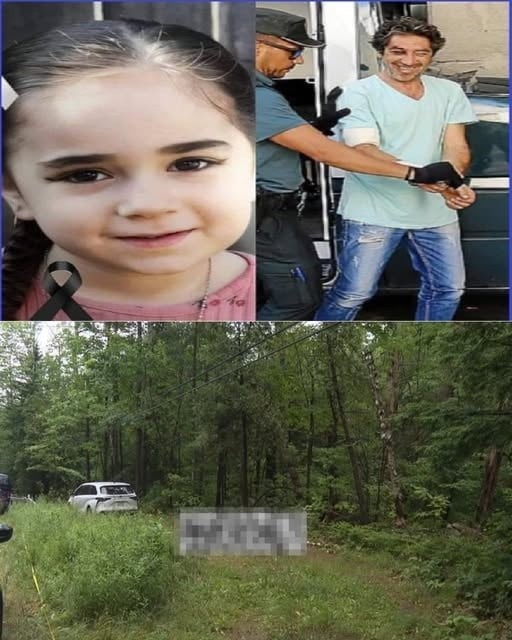
The tragic death of Perla Alison has shaken Mexico and reignited national conversations about violence against women and children. What began as the disappearance of a young girl who simply left home to buy candy ended in heartbreak, outrage, and renewed demands for justice. Her story has become another painful symbol of the dangers many girls face in a country where femicide and gender-based violence continue to represent a deep social crisis.
Perla Alison, a young resident of Santa Martha Acatitla, disappeared after leaving her home on what should have been an ordinary errand. According to reports from her family, she told relatives she was going to a nearby store to buy candy. When hours passed without her return, concern quickly turned into panic. Her family began searching the surrounding streets and contacting neighbors, hoping someone had seen her. As time went on with no information, authorities were notified and an Amber Alert was issued nationwide.
The disappearance immediately captured public attention. Social media users across Mexico began sharing Perla Alison’s photograph, hoping to help locate her safely. Activists, feminist groups, journalists, and ordinary citizens joined the effort, posting updates and urging people to remain alert. The case spread rapidly online, reflecting both public concern and a growing awareness of the alarming number of disappearances involving women and minors in Mexico.
Authorities from various agencies launched a large-scale search operation. Police officers, investigators, and volunteers searched neighborhoods, transportation areas, abandoned buildings, and public spaces around Santa Martha Acatitla and nearby districts. Family members made emotional pleas to the public, asking anyone with information to come forward. Throughout the search, many Mexicans hoped Perla Alison would be found alive and returned safely to her loved ones.
Days later, however, those hopes were shattered.
A resident near the Constitución de 1917 metro station contacted emergency services after detecting a strong and disturbing odor coming from an abandoned structure near an empty lot. Officers from the Secretariat of Citizen Security (SSC) responded to the scene and began inspecting the area. Shortly afterward, forensic teams from the Mexico City Attorney General’s Office arrived to conduct a detailed investigation.
Inside the abandoned location, authorities made the devastating discovery of Perla Alison’s body.
The confirmation of her death immediately sparked grief and outrage across the country. Officials reported that her body showed visible signs of violence, intensifying concerns surrounding the circumstances of her death. Although full autopsy results are still pending, early evidence reportedly suggests that the young girl may have suffered abuse before being killed. Prosecutors officially opened a femicide investigation, signaling that authorities believe the crime may have been motivated by gender-based violence.
The term “femicide” carries profound significance in Mexico and throughout Latin America. It refers not only to the killing of women and girls but specifically to murders driven by gender-related violence, discrimination, abuse, or hatred toward females. Over the past decade, Mexico has experienced growing pressure from activists and international organizations to address the alarming rise in femicide cases and disappearances involving women and children.
Perla Alison’s death has become part of that broader national crisis.
The reaction on social media was immediate and emotional. Thousands of users expressed heartbreak, anger, and frustration after learning that the young girl had been found dead. Feminist organizations and civil rights groups condemned what they described as the ongoing failure of institutions to adequately protect women and minors. Many pointed out that Perla Alison’s case was not an isolated tragedy, but rather another example of systemic violence affecting countless families across the country.
Hashtags demanding justice quickly began trending online. Citizens called for swift arrests and severe punishment for those responsible. Demonstrations and vigils were organized in some communities, where participants carried candles, flowers, and signs bearing Perla Alison’s name and photograph. Activists argued that every new femicide case reflects deeper structural problems involving public safety, impunity, poverty, corruption, and failures within the justice system.
For Perla Alison’s family, however, the tragedy is deeply personal beyond the public outrage. They are now left mourning the loss of a child whose life ended in horrifying circumstances. Relatives described her as a young girl with dreams, innocence, and a future that was stolen from her. Community members have gathered to support the family during this painful time, while continuing to demand accountability from authorities.
The case has also intensified scrutiny on public security conditions in Mexico City and surrounding areas. Citizens are increasingly worried about the safety of women and children in public spaces, even during routine activities such as walking to a nearby store or using public transportation. Many parents have expressed fears over allowing children to move freely within their own neighborhoods, reflecting a climate of insecurity that continues to grow in many parts of the country.
Human rights organizations have long warned about the dangers faced by girls and women in Mexico. According to advocacy groups, thousands of women disappear each year, while many cases remain unsolved. Critics argue that investigations are often slow, inconsistent, or poorly handled, allowing perpetrators to escape justice. In some cases, families report having to pressure authorities themselves in order to receive adequate investigative attention.
Activists also highlight the role of societal attitudes toward gender violence. Many believe cultural norms, machismo, and discrimination contribute to environments where violence against women becomes normalized or minimized. Feminist movements throughout Mexico have repeatedly organized protests demanding legal reforms, institutional accountability, and stronger protections for vulnerable populations.
In recent years, demonstrations against femicide have become increasingly visible in Mexico. Protesters have marched through major cities carrying the names of victims and denouncing what they view as widespread impunity. Public frustration has grown as cases involving murdered or missing girls continue to emerge with disturbing frequency.
Perla Alison’s death has now become another rallying cry in that movement.
The investigation into her killing remains ongoing. Authorities are reviewing surveillance footage, interviewing witnesses, analyzing forensic evidence, and attempting to reconstruct the events leading to her disappearance and death. Officials are urging anyone with relevant information to contact investigators, emphasizing that public cooperation could be essential in identifying those responsible.
Legal experts note that femicide investigations require careful handling because of the serious implications surrounding gender-based crimes. Prosecutors must determine whether evidence supports charges related specifically to violence motivated by gender. If confirmed, the case could lead to harsher penalties under Mexican law.
Public pressure is likely to remain intense as the investigation unfolds. Citizens are closely monitoring how authorities respond, particularly given past criticism regarding unresolved femicide cases. Many people fear that without sustained attention, cases involving violence against women and children can lose momentum or fail to result in convictions.
Civil organizations continue using Perla Alison’s case to raise awareness about broader issues surrounding violence against girls. Advocacy groups are calling for stronger preventive measures, improved child protection systems, better investigative procedures, and expanded support services for victims’ families. Some organizations are also pushing for educational programs designed to address gender violence and promote respect, equality, and safety from an early age.
The emotional impact of Perla Alison’s story extends far beyond her immediate community. Across Mexico, parents, educators, and ordinary citizens see her case as a painful reminder of the vulnerability many children face every day. The fact that she disappeared during such a simple activity—walking to buy candy—has made the tragedy especially heartbreaking. It reinforces fears that danger can emerge even during the most ordinary moments of daily life.
For many Mexicans, the tragedy also represents a collective exhaustion with recurring violence and repeated headlines about missing girls and femicide victims. Citizens increasingly demand not only justice after crimes occur, but meaningful systemic changes capable of preventing future tragedies.
International observers and human rights organizations have also expressed concern over ongoing violence against women in Mexico. Global groups monitoring gender-based violence have repeatedly urged Mexican authorities to strengthen investigations, reduce impunity, and improve protections for women and minors. Cases like Perla Alison’s often attract international attention because they illustrate the human consequences of broader structural problems.
At the same time, communities continue searching for hope and solidarity amid grief. Vigils, memorials, and public gatherings in honor of Perla Alison reflect a determination not to allow her memory to disappear. Activists stress that remembering victims is itself a form of resistance against indifference and silence.
Her name now joins those of countless other girls and women whose stories have mobilized public anger and demands for change.
As the investigation progresses, many questions remain unanswered. Authorities have not yet publicly identified suspects or fully explained the circumstances surrounding Perla Alison’s disappearance and death. Families, activists, and citizens continue waiting for clarity, accountability, and justice.
What is already clear, however, is the profound emotional wound this tragedy has left behind. Perla Alison was not merely a statistic or headline. She was a child with a family who loved her, a community that searched desperately for her, and a future that should have been protected.
Her death has become a painful symbol of the urgent need to confront violence against women and children with seriousness, transparency, and determination. It has reminded the country that behind every missing-person alert is a human life, a grieving family, and a community hoping for answers.
The calls echoing throughout Mexico are now impossible to ignore: justice for Perla Alison, accountability for those responsible, and meaningful action to ensure that no more children suffer similar fates. Citizens continue demanding safer communities, stronger institutions, and a justice system capable of protecting the most vulnerable.
Until those demands are met, Perla Alison’s story will remain both a tragedy and a warning — a heartbreaking reminder of the work that still must be done to protect women and children from violence.