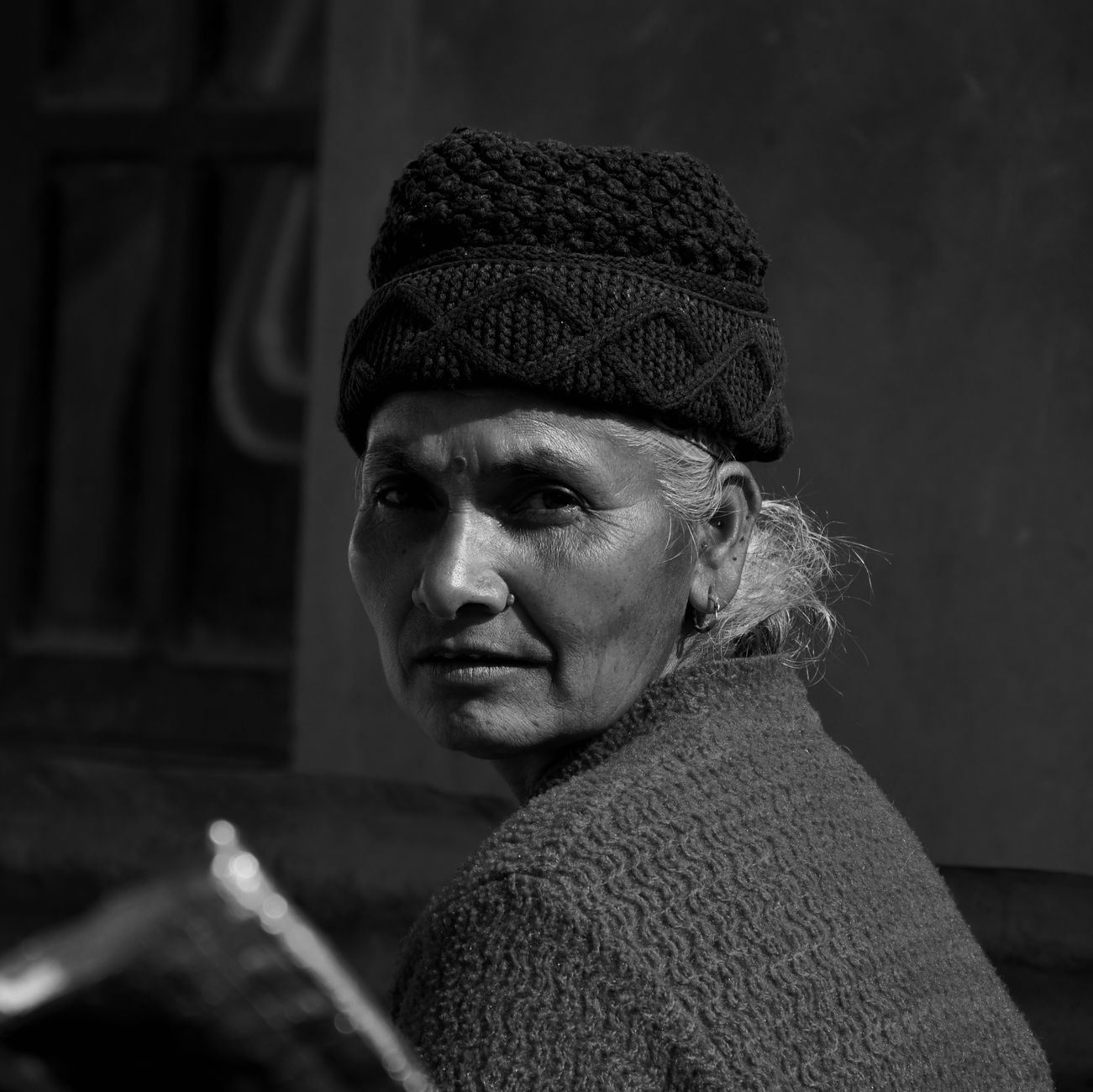
Her fingers never stopped moving. Even in the early hours of the morning, when the rest of her village in South Australia had gone quiet, 84-year-old Olive Laver sat beneath a single lamp, needles clicking in steady rhythm, shaping something impossibly small.
A sweater. Barely bigger than her fist.
It wasn’t for a grandchild or a doll. It was for a penguin she had never seen and likely never would. And she had been doing this — quietly, alone, without recognition — for ten years.
It started after a phone call that changed everything. In 2001, a catastrophic oil spill off the coast of Philip Island, Victoria, coated hundreds of little penguins — the world’s smallest penguin species — in toxic crude. The oil destroyed the natural waterproofing of their feathers, sending their body temperatures plummeting and driving many to preen the poison directly into their systems. Volunteers scrambled. Vets worked around the clock. But there was one thing nobody had thought to prepare: something to keep the birds warm and stop them from poisoning themselves while they waited for cleaning.
Someone put out an urgent call for knitted penguin sweaters.
Olive heard it on the radio while washing the breakfast dishes. She set down her cloth, dried her hands, and picked up her needles before the broadcast had even finished.
What nobody expected was that she wouldn’t stop.
Long after the oil spill crisis had passed, long after the media had moved on and the donations had dried up, Olive kept knitting. She mailed the sweaters to the Penguin Foundation on Philip Island — tiny striped jumpers, some with little wing holes, each one handmade and measured to fit a bird no taller than a wine bottle.
Over a decade, she sent over 1,000 of them.
The foundation kept them stockpiled — because oil spills don’t announce themselves. When the next disaster came, they would be ready. Olive understood this with a quiet certainty that didn’t require applause or acknowledgment. She had read about what the oil did to the birds’ feathers. She had read about how fast they could die from the cold. That was enough for her.
“I just keep knitting,” she told a local reporter who eventually tracked her down. “What else would I do with my evenings?”
But here is what stopped everyone who heard her story: Olive had never once visited Philip Island. She had never held a penguin. She had never watched one wobble out of a rehabilitation center, refeathered and blinking in the sun. She simply trusted that somewhere, her work mattered — and then she went back to her chair and kept going.
When the Penguin Foundation finally flew her to the island for the first time, she stood at the edge of the boardwalk as the sun dropped toward the sea. Hundreds of little penguins emerged from the surf, parading up the beach in their wobbling columns, heading home for the night.
Olive didn’t say anything for a long time.
Then she smiled — the small, satisfied smile of someone who had already known, somehow, that this moment was worth every single stitch.