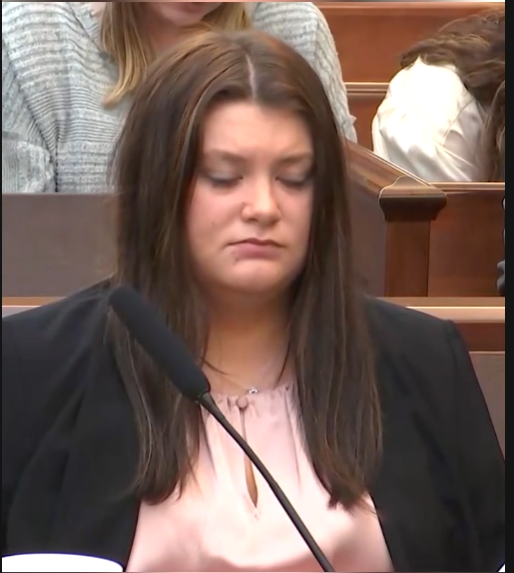
The courtroom fell silent as the verdict was read for 15-year-old Carly Gregg, whose case has gripped the public with its disturbing details and emotional testimony. After just 1 hour and 57 minutes of deliberation, the jury returned a unanimous decision: guilty on all counts. The teen now faces the possibility of life in prison, and the next phase of the trial will determine whether she will have the possibility of parole.
The case centered around the death of Carly’s mother, a crime prosecutors described as both intentional and deeply planned. According to evidence presented at trial, Gregg carried out the killing inside the family home, leaving investigators and the community stunned by the brutality of the act committed by someone so young.
Throughout the proceedings, prosecutors argued that the teen acted with full awareness of her actions. They presented messages, photos, and statements suggesting that Gregg had been harboring resentment and anger toward her mother. They asserted that this emotional buildup ultimately led to the deadly confrontation that ended in tragedy.
The defense attempted to frame Carly’s actions within the context of her youth and emotional instability, suggesting she was overwhelmed by circumstances at home and lacked the mental maturity to fully comprehend the gravity of what she was doing. They urged jurors to consider her age, her developmental state, and the potential for rehabilitation.
Jurors, however, found the prosecution’s interpretation of events more compelling. The verdict — guilty on all charges — reflects their conclusion that Carly acted with intent and that the evidence clearly supported the state’s case.
With the guilt phase now complete, attention turns to sentencing. In this phase, the same jury will determine whether Carly Gregg will serve life in prison with the opportunity for parole or life without the possibility of release. Legal experts note that sentencing a juvenile to life without parole is rare and carries significant constitutional considerations, though it remains legally permitted under certain circumstances.
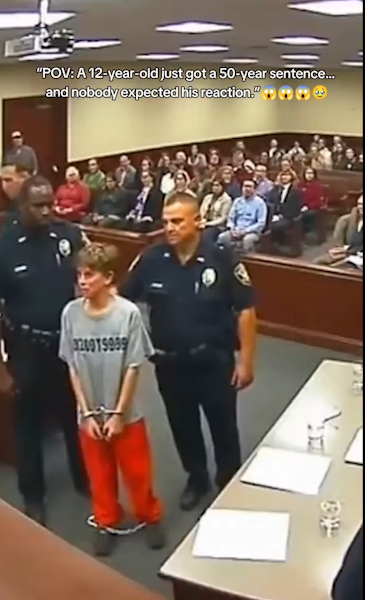
The trial has drawn widespread public attention, especially as video clips from the courtroom circulate across social media platforms like TikTok and Court TV Live. The case has sparked nationwide dialogue about juvenile crime, mental health, family dynamics, and how the justice system should handle serious offenses committed by minors.
As the sentencing phase begins, the community — along with viewers across the country — awaits the final outcome. The judge reminded everyone in the courtroom that despite the defendant’s age, the severity of the crime requires careful and deliberate consideration.
The sentencing decision will determine the rest of Carly Gregg’s life, marking the final step in a tragic case that has left a family shattered and a community searching for answers.