My manager called me into a conference room over a complaint that I had stolen credit for work that was entirely mine from the start.
It was a Tuesday morning, about three weeks ago, and I had barely set my coffee down at my desk when my manager, Donna, appeared in the doorway and asked me to come with her. Her voice was flat and professional in that way that makes your stomach drop before a single word of explanation has been spoken.
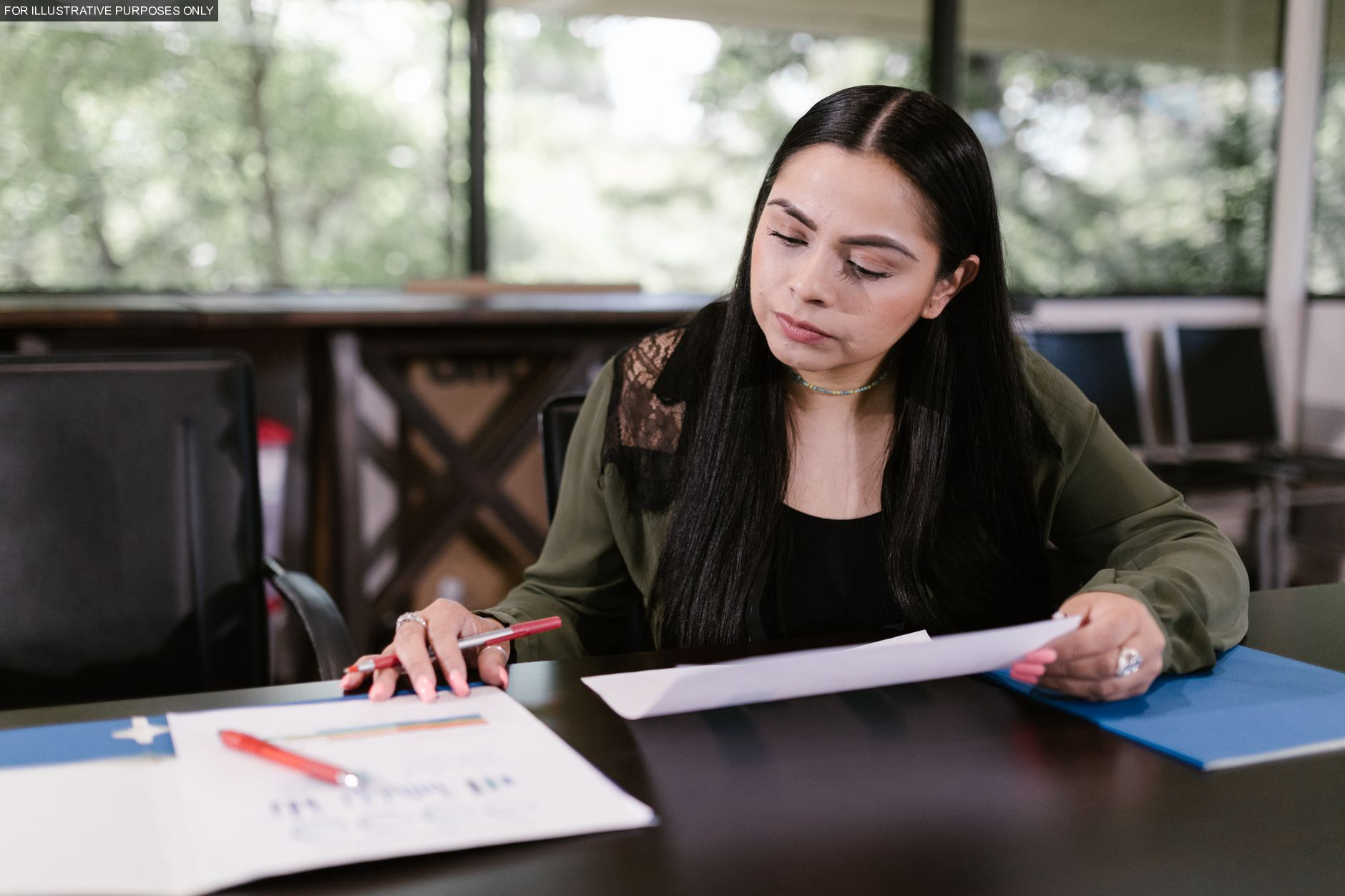
We sat down at the long table in Conference Room B — the one with the frosted glass walls that everyone in the office can see into if they try — and Donna folded her hands and told me that a formal complaint had been filed with HR. She said the claim was that I had taken primary credit for research conducted by a junior associate on the Henderson account, research that had been the backbone of a $214,000 client renewal we closed six weeks prior.
I felt the blood drain out of my face, not from guilt, but from the specific horror of being accused of something you know is completely false.
“Who filed it?” I asked.
Donna shook her head. “I can’t share that with you at this stage. What I can do is show you what was submitted.”
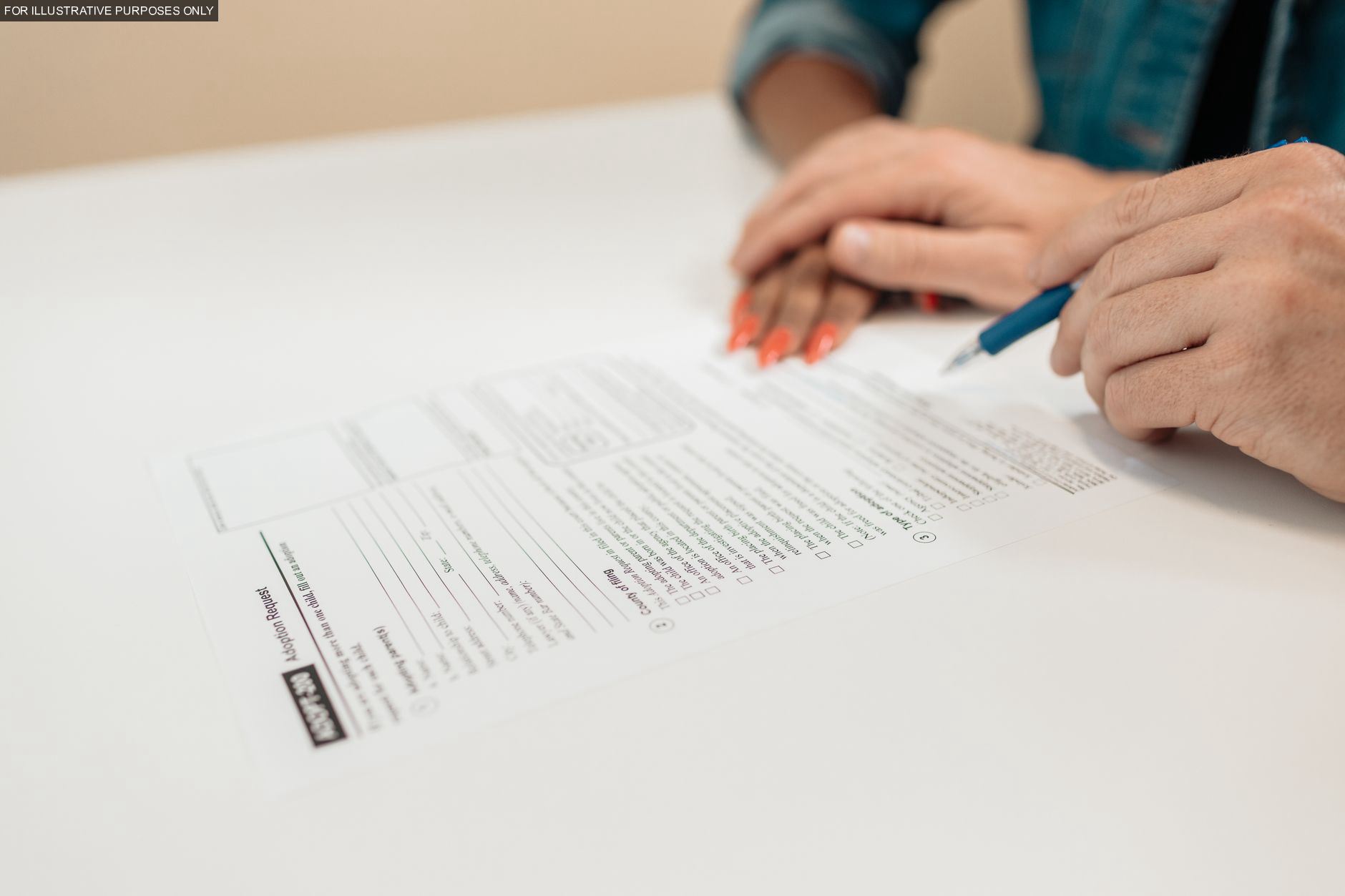
She slid a printed summary across the table toward me. It was a clean, professional-looking document — formatted nicely, the kind of thing that looks credible at first glance. It laid out a timeline suggesting that the junior associate, a woman named Priya, had conducted the bulk of the competitive analysis and sourcing while I had merely compiled and presented it as my own original work.
Priya had joined our team about eight months earlier. She was sharp, eager, genuinely talented, and I had mentored her closely on the Henderson account specifically because I wanted her to grow. My sister-in-law, Camille, always says that the most dangerous thing a woman can do in a corporate environment is actually help someone, and I used to think that was cynicism. I do not think that anymore.
I looked at the summary for a long moment. Then I turned it over.
On the back, there was nothing — just blank white paper. But that action, the physical turning of it, reminded me of something. I looked up at Donna.
“Can I see the source documents this summary is citing?” I asked.
She hesitated, then pulled up the shared drive on her laptop and turned the screen toward me. The summary had referenced eleven internal documents as the basis for the research. I asked her to open the first one. She did. I leaned forward and pointed to the footer.
My name. A timestamp. Fourteen months ago, four months before Priya had even been hired by the company.
I asked her to open the second one. Same thing. My name in the document footer, authored and version-controlled through our company’s own system, dated to a period when Priya was still at her previous firm.
We went through all eleven documents. Every single one had been created and last edited by me, with automated metadata that our IT system generates and that cannot be manually altered after the fact. The timestamps ranged from fourteen months ago to the week before the Henderson presentation. The most recent edits, the final competitive analysis that the complaint specifically called out, were saved under my credentials at 11:47 p.m. on a Thursday, the night before the client meeting. I remember that night. I had called my husband, Derek, at midnight to tell him I would not make it home for dinner and he had laughed because dinner had been six hours ago.
Donna sat back in her chair slowly.
She did not say anything for a moment. Then she said, “I need to make a call.”
I waited in that glass-walled room for twenty-two minutes while the rest of the office pretended not to watch. My colleague and closest work friend, Nia, caught my eye through the glass and gave me a look I could not fully read — half concern, half something that looked like she already knew more than I did.
When Donna came back, she told me the complaint had been formally withdrawn. She said there would be no record of it in my personnel file. She apologized, briefly and professionally, in the way that people apologize when the institution requires them to but no one is particularly comfortable with the emotion of it.
I thanked her and walked back to my desk.
I never found out officially who filed the complaint. I did not need to. Three days later, Priya submitted her two weeks’ notice. She left without saying goodbye to me directly, which told me everything I had not been officially told.
Derek said I should feel vindicated. My mother-in-law, Susan, said I should feel angry. I told them both that I mostly just felt tired — tired in the way you only get when you realize that someone looked at the help you gave them and decided the cleanest path forward was to take the rest of it too.
But the metadata does not lie. The footer does not lie. And the $214,000 renewal that my work helped close is still sitting on my performance record, right where it belongs.