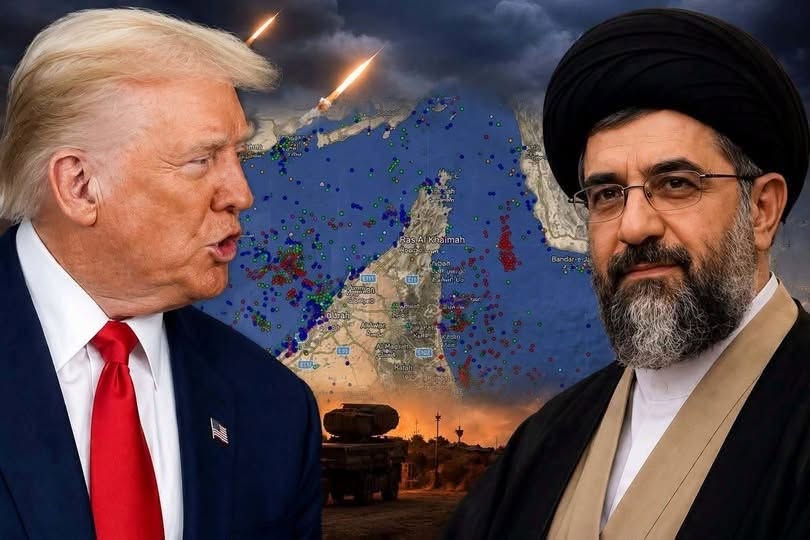
According to statements attributed to US officials, new intelligence assessments suggest that Russia may be providing Iran with information regarding the locations of US military assets operating throughout the Middle East. If confirmed, the reported intelligence-sharing would represent a significant development in an already volatile regional security environment, raising concerns among defense analysts about the potential for broader geopolitical consequences. While the claims have attracted considerable international attention, they have not been independently verified, and Russian authorities have not publicly commented on the allegations.
US officials familiar with the reported assessments say the intelligence allegedly being shared includes the locations of US naval vessels, military aircraft, and certain radar systems operating across the region. Such information, if accurate and current, could potentially improve Iran’s awareness of US military movements and defensive capabilities. Military analysts note that situational intelligence can play an important role during periods of heightened tension, allowing commanders to better understand the operational environment and assess potential risks.
Officials speaking on the matter emphasized that the reported intelligence support does not necessarily indicate direct Russian participation in any military operations. Instead, they describe the alleged assistance as indirect support that could provide Iran with greater strategic awareness without involving Russian personnel in combat activities. Even so, such allegations have fueled concerns that the conflict could become increasingly influenced by outside powers whose interests extend well beyond the immediate region.
Military intelligence is a critical component of modern defense planning. Information concerning the movement of ships, aircraft, surveillance systems, or other military assets enables governments to evaluate threats, adjust defensive positions, and make operational decisions. The accuracy, timeliness, and reliability of intelligence often determine how effectively military leaders respond during rapidly changing situations. Because of this, any allegation involving intelligence-sharing between major international actors is generally viewed as a matter of significant strategic importance.
The United States maintains a substantial military presence throughout the Middle East, including naval forces operating in nearby waters, air assets stationed at regional bases, missile defense systems, and thousands of service members deployed across several partner nations. These forces support a wide range of missions, including regional security cooperation, counterterrorism operations, maritime security, intelligence gathering, and the protection of international shipping routes. As a result, any reports concerning the tracking or monitoring of these assets naturally receive close attention from defense officials.
According to the officials cited in the reports, the alleged intelligence-sharing includes information about the positions of US warships operating in regional waters. Naval vessels frequently change locations depending on operational requirements, making real-time awareness particularly valuable during periods of military tension. Aircraft movements and radar coverage are similarly dynamic, with assets regularly repositioned to support ongoing missions or respond to emerging developments. Analysts caution, however, that it remains unclear exactly what type of intelligence is allegedly being shared, how detailed it may be, or how frequently such information is updated.
At present, the claims remain allegations made by US officials and have not been publicly substantiated with supporting evidence. Russian authorities have not issued an official response addressing the reports, and Moscow has not acknowledged providing operational intelligence to Iran. Without public confirmation from independent sources, observers note that caution is appropriate when interpreting the reported assessments.
Security experts point out that intelligence cooperation between countries can take many different forms. In some cases, governments exchange information through formal agreements covering terrorism, maritime security, or regional threats. In other situations, intelligence sharing may involve diplomatic communications, satellite imagery, electronic surveillance, or broader strategic assessments. The precise nature of any alleged cooperation in this case has not been publicly described in detail.
The reports have also prompted discussion about the broader geopolitical relationship between Russia and Iran. Over recent years, the two countries have expanded cooperation in several areas, including diplomacy, trade, regional security, and defense matters. While each nation continues to pursue its own strategic interests, observers have noted increasing coordination on certain international issues. Whether the reported intelligence-sharing reflects an expansion of that relationship remains uncertain.
Meanwhile, according to the same US officials, there is currently no indication that China is providing comparable intelligence assistance to Iran. Officials reportedly stated that available intelligence does not suggest Beijing is supplying information regarding US military positions or participating in similar activities. Analysts note that China’s approach to regional conflicts has often emphasized diplomacy and economic interests, although Beijing also maintains its own strategic relationships throughout the Middle East. As with the broader allegations, no official statement from the Chinese government regarding these specific claims has been cited.
The possibility of outside powers influencing regional conflicts continues to concern policymakers around the world. Even indirect involvement through intelligence, logistics, diplomatic backing, or technological assistance can alter the strategic calculations of the parties involved. As a result, governments closely monitor not only battlefield developments but also the international relationships that may shape future events.
Defense analysts emphasize that intelligence alone does not determine military outcomes. Operational decisions depend on numerous factors, including command structures, logistics, communications, training, available equipment, and political objectives. Furthermore, intelligence assessments themselves can evolve as additional information becomes available, leading governments to revise earlier conclusions if new evidence emerges.
International observers are expected to continue monitoring the situation closely in the coming days and weeks. Additional statements from governments, intelligence agencies, or international organizations may provide greater clarity regarding the allegations. Until then, many experts recommend treating the reports as claims made by US officials rather than established facts, pending further confirmation.
The reported allegations underscore the complexity of modern international security, where conflicts often extend beyond the immediate parties involved. Military operations today are shaped not only by events on the ground but also by intelligence, diplomacy, cyber capabilities, surveillance technologies, and relationships among global powers. As tensions continue to evolve, governments will likely remain focused on protecting their personnel, gathering additional information, and assessing the broader implications of any foreign involvement.
For now, the claims remain part of an evolving geopolitical story. US officials maintain that Russia is allegedly providing Iran with intelligence regarding the locations of American military assets in the Middle East, Russia has not publicly responded to those allegations, and officials say they have not seen comparable intelligence support being provided by China. Whether additional evidence emerges to support or challenge these assessments will likely play an important role in shaping international reactions and future diplomatic developments.