The travel league coordinator told me by text that my daughter had been dropped from the regional roster due to an equipment sponsorship conflict — and I forwarded her the signed league agreement with the relevant clause highlighted before she had even finished typing her reply.
I need to back up, because this didn’t come out of nowhere. Three years ago, when my daughter Priya was eight years old, I scraped together $1,850 to register her for the Eastside United travel program. That was not easy money for me. I was a single mother working two jobs, and my sister Claudette — my younger sister, Claudette, who had always been skeptical that I could manage Priya’s athletic career on my own — made a point of telling me I was “setting the child up for disappointment.” I remember the exact words because I wrote them down that night.
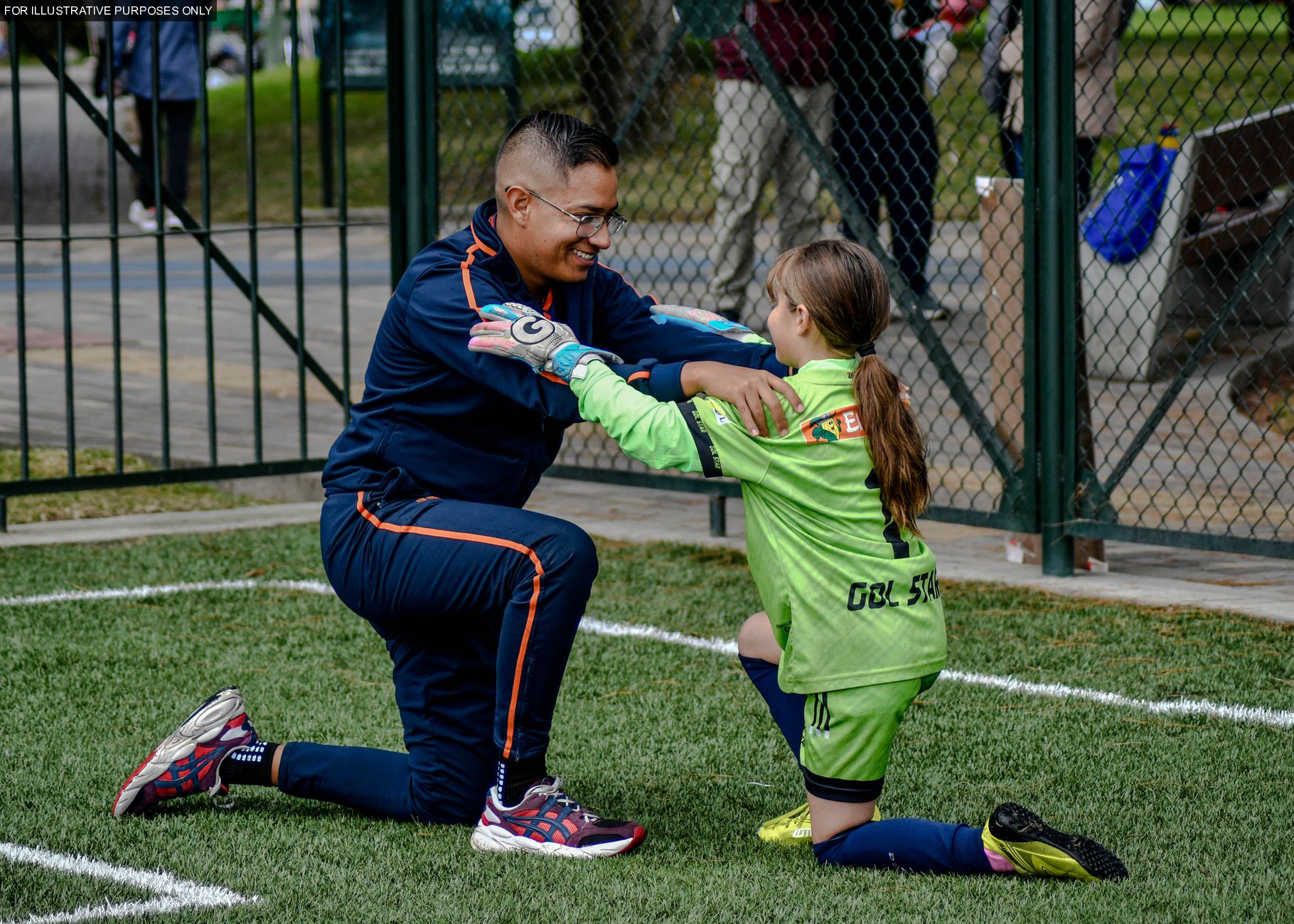
Priya worked. I mean she genuinely worked. Early mornings, weekend tournaments two hours away, goalkeeper training on top of regular practice. By the time she was ten she had earned a spot on the regional development roster, which is not something the league hands out. You get evaluated, scored, and ranked. Priya ranked fourth among goalkeepers in her age group across the entire district.
So when I got that text last month from the league travel coordinator, a woman named Greta, I genuinely thought I had misread it.
The message said Priya’s name had “triggered a sponsorship conflict” with one of the league’s new equipment partners and that her slot on the regional roster had been given to another player. No phone call. No meeting. A text message, sent on a Tuesday afternoon, like she was canceling a haircut appointment.
I sat in my car in the parking lot of the grocery store and read it four times.
I knew something was wrong immediately, not just because of how it felt, but because of the specific language. “Equipment sponsorship conflict” is not a real category of roster removal under the league’s governing rules. I knew that because when I paid that $1,850 three years ago, I read every single page of the participation agreement before I signed it. I do that. My mother raised me to do that. And I had kept a PDF copy of the original signed agreement in a folder on my phone labeled “Priya Soccer Docs” ever since.
I opened the folder while Greta was still typing what I assumed would be a follow-up message.
The agreement was clear. Section 7, paragraph three: roster removal for any reason other than player conduct or medical withdrawal required written notice of no fewer than fourteen days, delivered via certified mail to the registered guardian, with a stated cause that corresponded to an enumerated disqualification category. “Equipment sponsorship conflict” did not appear anywhere in that document. Not once.
I highlighted the clause using my phone’s markup tool. I took a screenshot. And I forwarded it directly back to Greta’s text thread with a single line: “I’d like to understand which enumerated disqualification category applies here, per Section 7, paragraph three of the agreement I signed.”
The typing bubble appeared. Then disappeared. Then appeared again.
What came back, after nearly four minutes, was not an answer. It was “Let me look into this and get back to you.”
I called the league’s regional director, a man named Paul, the same afternoon. I did not lead with anger. I read him the clause over the phone and asked the same question I had asked Greta. There was a long pause on his end.
“Where did you get that version of the agreement?” he asked me.
“The one I signed,” I said. “Three years ago. When I registered my daughter.”
Another pause. Then: “Can you send that to me directly?”
I sent it within the minute. Timestamped original, my signature at the bottom, the league’s own header at the top.
What I found out over the next 48 hours was this: the league had quietly updated their internal roster policy documents sometime in the last year to accommodate a new equipment sponsorship arrangement — a deal reportedly worth $14,000 annually to the regional program. In doing so, someone had decided that a handful of players whose families had existing gear affiliations, even informal ones, could simply be rotated out. No legal review. No notice to families. Just a coordinator sending texts.
Priya had worn a different brand of goalkeeper gloves in a photo posted to our family’s social media. That was the “conflict.”
Paul reinstated Priya to the roster within three days. He sent the notice in writing, via email, with a formal apology attached. Greta sent a separate message that was considerably shorter and contained no apology at all, which told me everything I needed to know about where the decision had actually come from.
My sister Claudette called me when she heard. “I can’t believe they tried that,” she said.
I didn’t remind her of what she had told me three years ago. I didn’t need to.
Priya played her first regional tournament two weeks later. She let in one goal in three games. On the drive home she asked me if we could stop for fries, and I said yes, and that was the whole conversation.
Some things you just hold onto quietly. The signed agreement. The highlighted clause. The knowledge that you read every single page.