My father had been in the ground less than eighteen hours when a stranger walked up to me at the reception and handed me a business card.
I was standing near the food table, still wearing the black dress I had slept in because I could not bring myself to change, holding a paper plate I had not eaten from. He was tall, maybe thirty, with my father’s same square jaw and my father’s same way of tilting his head slightly when he was about to say something he knew you did not want to hear.
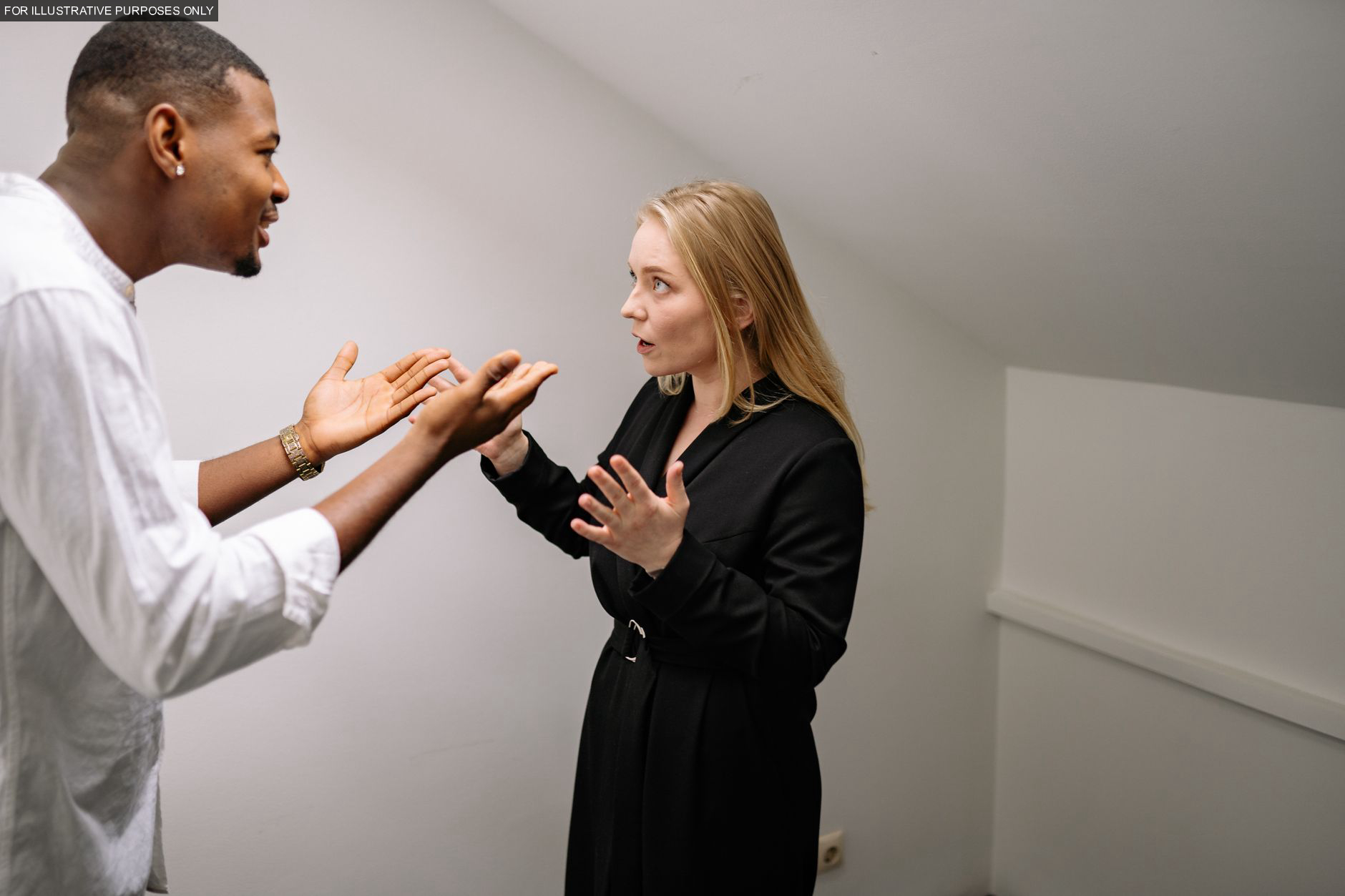
“I’m Darius,” he said. “Your half-brother. I know this isn’t the moment, but I was told to make contact today.”
I looked at the business card. It had his name, a phone number, and the name of an estate attorney I had never heard of.
I poured him a glass of water from the pitcher on the table and sat down across from him, because my father’s own attorney, a man named Gerald who had handled my parents’ divorce fifteen years ago, had already called me twice that week and left messages I had not returned. I had assumed he wanted to discuss the house. I had assumed wrong.
My mother, Renata, had warned me two days earlier, right after the hospital called. She had pulled me into the kitchen, away from my aunt and the neighbors who kept arriving with casseroles, and she said, “Your father made choices in the years after we separated that you don’t fully know about. I need you to be prepared.”
I had not asked her what she meant. I was not ready to know.
Darius was calm. He explained that three years ago, shortly after my father was diagnosed with early-stage heart disease, my father had revised his will with a second attorney — not Gerald, someone new — and had included Darius as a named beneficiary. Darius’s mother and my father had been involved briefly in the late nineties. Darius had only made contact with my father four years ago. They had, apparently, developed a relationship I had no idea existed.
The revised will left the lake house — the property I had spent every summer of my childhood in, the one my father had always told me would be mine — to be split equally between Darius and me. But it also included a separate bequest: $94,000 from a brokerage account I did not know my father had, left entirely to Darius, with no corresponding amount to me.
I sat with that for a moment.
Then I called Gerald back.
Gerald had been trying to reach me because he had the original will, signed eleven years ago, which left everything to me outright, and he had just learned about the revised document. He believed, he told me carefully, that there were “grounds for a closer look at the circumstances of the revision.” My father had been in cognitive decline for the last eighteen months of his life. Gerald had witnessed it himself at a meeting two years ago and had documented his concerns in a client note dated March of that year.
I hired a probate attorney, a woman named Claire, within the week.
What Claire found, over the following four months, was not that Darius had forged anything or acted illegally. He had not. He had simply been present, and available, and patient, during a period when my father was lonely and frightened and I was three states away building a life he had not been a part of. The revised will was real. Darius’s relationship with my father was real. None of that was fabricated.
But Gerald’s notes were also real. And the neurologist’s records were real. And the letter my father had written to Gerald — found in a file Gerald had kept sealed until the estate was formally contested — was real. It was dated fourteen months before my father died, written in his own handwriting, and it said: “If something changes in my estate documents after this date, I want you to know I am not confident I will be of sound mind when I sign it. Watch over Celeste for me.”
Celeste is my name.
The revised will was successfully challenged on the grounds of testamentary incapacity. It took eleven months from the date of my father’s funeral. The $94,000 remained in the estate. The lake house came to me.
Darius did not fight the ruling. He sent me a single text message the week the decision came through. It said: “He talked about you all the time. I think he would have wanted us to know each other.”
I have not responded yet. I am not sure what the right answer is.
But I kept his business card. It is still in the pocket of the black dress.