My aunt Rochelle pulled me aside at my grandmother’s funeral reception and told me, very sweetly, that the antique secretary desk in the front room had been promised to her years ago — and that she’d be sending someone to collect it Monday morning.
I stood there holding a paper plate of finger sandwiches I hadn’t touched, nodding, trying to process what she’d just said. My grandmother, Edna, had been buried four hours ago. The dirt was still fresh. And Rochelle was already scheduling furniture pickups.
I want to be fair to her. Rochelle is my mother’s older sister, and she and my grandmother were close — genuinely close — for most of their lives. She’d helped care for Grandma Edna during the last two years, driving her to appointments, sitting with her through chemo. None of us disputed that. So when she said the desk had been “promised,” I didn’t immediately doubt her. I just needed to understand what that meant legally.
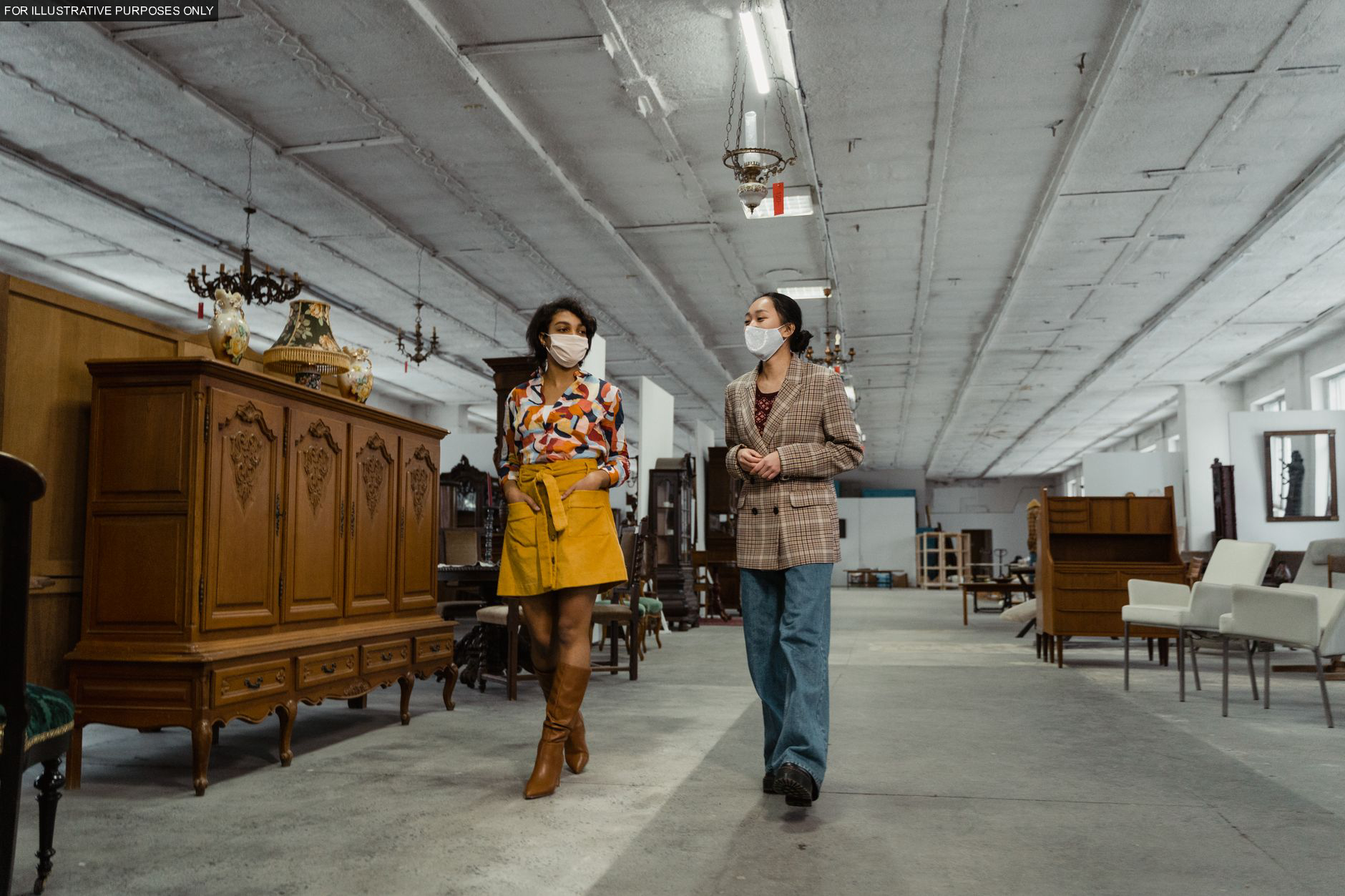
The secretary desk was not a small thing. It was a nineteenth-century French provincial piece, walnut with hand-carved details, original brass hardware. A dealer had come through the house about eight months ago — my grandmother had called him herself, curious — and he’d valued it at $14,200. Grandma Edna had laughed at that number and offered the man a cookie. She wasn’t selling. She just wanted to know.
I knew about the valuation because I was the one who drove her to get her reading glasses repaired the same afternoon, and she told me the whole story on the way home, laughing about it. That afternoon is burned into my memory because it was one of the last really good days she had.
After Rochelle mentioned Monday, she touched my arm and said, “I just want you to know I’m not trying to make this harder. Edna and I had an understanding. I don’t need it in writing.”
She said it gently. That’s the thing about Rochelle — she always says the hard things gently, which somehow makes them harder to push back against.
I told her I understood, and I asked if she’d mind walking with me to look at the desk before we made any decisions. She agreed easily, pleasantly, the way you do when you’re certain you’re right.
The front room was quieter than the rest of the house. A few cousins were standing near the window with drinks, but they drifted out when they saw us come in with purpose. The desk sat against the far wall, the way it always had, next to the bookcase full of Reader’s Digest condensed editions that nobody had ever actually read.
Rochelle ran her hand along the top of it and said, “She always kept it so beautiful.”
I agreed. Then I crouched down, pulled open the bottom left drawer — the one that stuck slightly and required a specific upward angle to release — and showed her what was inside.
Taped to the inner back panel of the drawer was an envelope. Inside the envelope was a single sheet of paper in my grandmother’s handwriting. Grandma Edna’s penmanship was distinctive — very upright, very deliberate, the kind they taught in schools in the 1950s. Across the top she had written the date: March 14th of last year, fourteen months before she died.
The note named me by full name. It said the secretary desk was to go to me upon her death, that it had been in her family before her marriage and she wanted it to stay in the direct line. She’d signed it and written beneath her signature: “This is my clear wish and I have told no one so there will be no argument about it.”
That last line. She knew. She absolutely knew.
The note also referenced the $14,200 appraisal by name — she’d written the dealer’s name and the date of his visit — and stated that if for any reason I chose to sell it, half the proceeds should go to her church’s food pantry. That was Grandma Edna. Even from beyond, organizing things.
Rochelle read the note twice. I watched her face move through several expressions I don’t have clean names for.
Finally she said, “I didn’t know she’d done this.”
I said, “I didn’t either. Not until just now.”
That was true. I had known the drawer stuck. I had not known what was inside it. My grandmother had trusted that I would be the one to open it, or that eventually someone would, and that the words would land where they were supposed to.
Rochelle straightened up, smoothed her jacket, and said she was going to go find some water. She walked out of the room. We haven’t discussed the desk since.
The secretary desk is in my apartment now. I have the note framed on the wall above it. Every time I sit down at it to write something — a letter, a bill, anything — I think about my grandmother deciding, quietly and alone, to make sure things were done right. She didn’t make a scene. She didn’t call a lawyer. She just wrote it down, tucked it away, and trusted the drawer.