My husband’s sister told me, standing two feet from his ICU bed, that keeping him alive was selfish — and I just nodded, because I already had the paper in my purse that proved she was lying about everything.
Three years ago, when Daniel and I got married, his family made it clear I was tolerated, not welcomed. His sister, Renata, had been managing their mother’s estate and had appointed herself the unofficial keeper of all family decisions long before I came into the picture. I was the outsider. The woman who had stolen their brother. I heard those exact words at our wedding rehearsal dinner, whispered loud enough to carry.
Daniel never fully saw it. He loved his family in that deep, stubborn way that good people do, and I respected that even when it cost me. We built a life anyway — a small house, two dogs, a savings account we’d scraped together over four years that sat at just under $62,000. It wasn’t a fortune. But it was ours.
Then in February of last year, Daniel collapsed at work. Cardiac arrest, forty-one years old. He survived the initial event but was transferred to the ICU in critical condition, sedated, on a ventilator. The doctors were cautious but not hopeless. They used words like “guarded prognosis” and “waiting to see how he responds.”
Renata arrived the next morning with her husband, Gerald, and within forty-eight hours she had positioned herself as the family spokesperson with the medical team. I was his wife. I had legal authority. But she had volume and presence and a long history with the staff from when their father had been treated at the same hospital years before. She knew which nurses to charm.
“The doctors are just being overly cautious because of liability,” she told me on day three, in the hallway outside his room. “They always do this. It’s what they do.”
I didn’t argue. I was running on four hours of sleep and cold coffee.
What I didn’t tell Renata was that I had already quietly requested a consultation with a neurologist from a different hospital system — someone with no connection to our case, no relationship with the existing team. I had done it the morning after Daniel was admitted, on instinct, because I had learned a long time ago not to trust the first version of any story I was handed.
The second opinion came back on day five. The neurologist had reviewed all of Daniel’s imaging and chart notes. Her assessment was measured and specific: there were clear indicators of meaningful neurological activity, the sedation protocol had been more aggressive than necessary given his vitals, and a structured wean with close monitoring was not only reasonable but recommended. She put it in writing.
I folded that letter and put it in my purse.
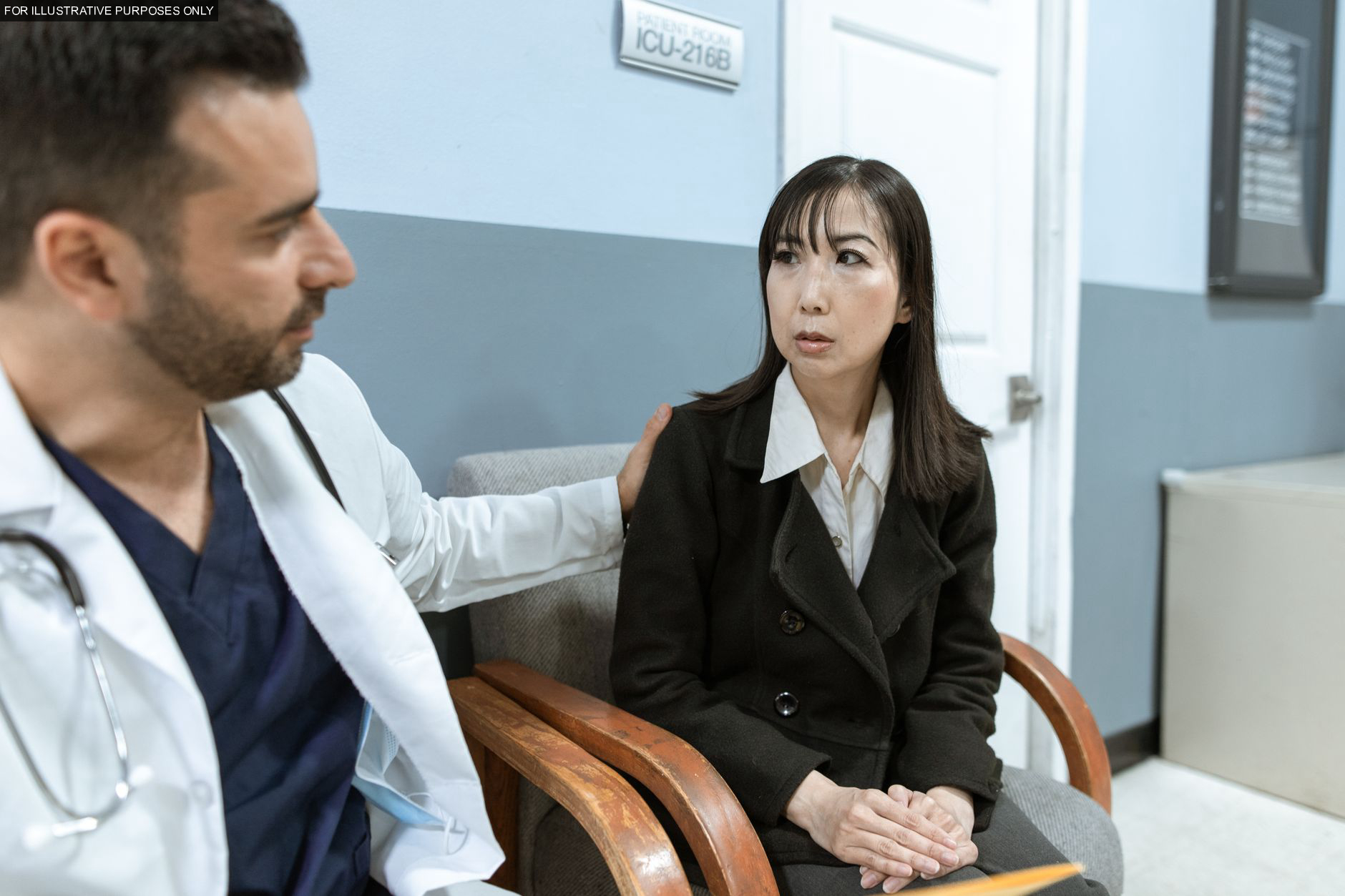
On day six, Renata sat down next to me in the waiting room outside ICU-216B. She put her hand on my arm. She used a soft voice, the kind people use when they’ve already decided what the answer is and just need you to agree.
“This is costing everyone so much,” she said. “Do you know what the daily rate in this unit is? We looked it up. It’s over $4,200 a day. And that’s before any of the specialist fees. At this rate, between the insurance gaps and what won’t be covered, you’re looking at destroying everything you two built. It’s been almost a week. The doctors aren’t giving you hope because there isn’t any. Letting go isn’t giving up. It’s being realistic.”
She talked about the $62,000 in our savings. She knew the exact number. I never told her that figure. Daniel must have mentioned it at some point, years ago, and she had held onto it like a card to play.
I looked at her. I nodded slowly. I said, “I hear you.”
And then I stood up, walked to the nurses’ station, and handed the attending physician the letter from the independent neurologist.
The conversation that followed lasted two hours. The medical team reviewed her findings, consulted internally, and agreed to begin a careful sedation wean the following morning. They had not been withholding hope — they had been operating with incomplete information about how aggressively the sedation had been maintained in the first seventy-two hours.
Daniel opened his eyes on day nine.
He was confused at first, then frightened, then — when he saw my face — visibly relieved in a way that I will carry with me for the rest of my life.
Last month, fourteen months after he was admitted to that ICU, Daniel went back to work part-time. His recovery has been slow and real and full of setbacks, but he is here.
Renata has not apologized. She came to one family dinner over the holidays and spent most of it talking around me. Gerald made a point of shaking Daniel’s hand warmly and saying nothing to me at all.
I don’t need the apology. I have the letter. I have the discharge paperwork. I have my husband sitting across the kitchen table from me every morning, drinking coffee and complaining about the news.
Some vindication doesn’t arrive loud. Sometimes it just looks like an ordinary Tuesday.