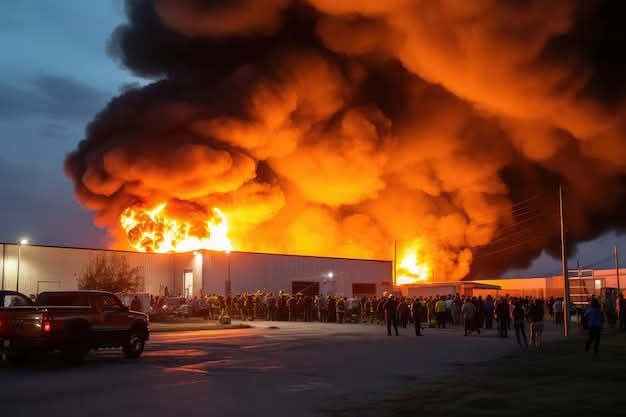
Tensions in the Middle East have reached a dangerous new level as Israel and Iran continue exchanging military strikes in one of the most serious escalations between the two regional powers in recent years. Missile launches, air-defense interceptions, explosions over major cities, and warnings of further retaliation have intensified fears that the conflict could expand into a broader regional war involving multiple countries and armed groups across the Middle East.
In recent days, cities including Tel Aviv and Jerusalem have come under missile fire, triggering air-raid sirens and forcing millions of civilians into shelters. Residents described scenes of panic as warning systems sounded across urban centers, sending families rushing underground while explosions echoed overhead. Israeli authorities reported that the country’s air-defense systems were actively intercepting missiles launched from Iranian territory, with defensive interceptor blasts visible in the skies above populated areas.
The attacks mark a significant escalation in the long-standing hostility between Israel and Iran, two countries that have spent decades confronting one another through proxy conflicts, intelligence operations, cyberattacks, and regional alliances. However, the latest developments represent a far more direct military confrontation than many previous encounters.
According to Israeli military officials, multiple missile barrages were launched toward Israeli territory over consecutive days. Air-defense systems, including the Iron Dome and other interception technologies, were deployed extensively to defend key cities and strategic infrastructure. Videos circulating online showed flashes in the night sky as interceptors attempted to destroy incoming projectiles before impact.
Despite defensive efforts, some missiles reportedly struck populated areas, causing casualties and damage. Israeli emergency services confirmed deaths and injuries following several impacts, while rescue crews responded to damaged buildings and infrastructure. Hospitals in affected regions were placed on heightened alert as authorities prepared for the possibility of further attacks.
The escalation follows coordinated military actions carried out by Israeli and allied forces against Iranian targets, including facilities associated with nuclear and military infrastructure. According to reports, these strikes targeted strategic locations believed to be connected to Iran’s military capabilities and weapons programs. Israeli leaders defended the operations as necessary measures aimed at preventing future threats and protecting national security.
Israeli officials have made clear that military operations against Iranian targets are expected to continue. Senior political and defense leaders stated that offensive measures would intensify in the coming days, emphasizing Israel’s determination to respond forcefully to any perceived threat against its territory or citizens.
Iran, meanwhile, has framed its missile launches as retaliation for attacks on its sovereignty and strategic facilities. Iranian leaders have repeatedly warned that any strike against the country would be met with a response. The latest exchanges appear to reflect a cycle of retaliation that risks spiraling into a wider regional conflict if diplomatic efforts fail to reduce tensions.
The situation has alarmed governments around the world, many of which fear that continued escalation could destabilize the broader Middle East. Regional analysts warn that direct military confrontation between Israel and Iran carries the potential to involve allied militias, neighboring countries, and international powers already deeply connected to Middle Eastern security dynamics.
For civilians living in affected areas, the crisis has created fear and uncertainty. In Israeli cities targeted by missiles, residents have spent long hours in shelters while monitoring emergency alerts and news updates. Schools, businesses, and transportation systems have faced disruptions as security conditions deteriorated. Many families remain on edge, unsure whether additional strikes could occur at any moment.
Air-raid sirens have become a constant reminder of the ongoing threat. Witnesses described hearing loud explosions from interceptor systems as missiles were targeted in midair. The psychological impact of repeated alerts and overnight attacks has intensified anxiety among civilians already accustomed to regional instability but now facing a more direct confrontation involving long-range missile warfare.
At the same time, reports from Iran indicate that Israeli and allied strikes have caused damage to military and strategic installations inside Iranian territory. Iranian authorities have acknowledged casualties and destruction resulting from the attacks, though the full extent remains unclear. State media in Iran has portrayed the strikes as acts of aggression requiring a firm national response.
Military experts note that both Israel and Iran possess significant offensive and defensive capabilities, making any prolonged confrontation extremely dangerous. Israel maintains highly advanced air-defense technologies and sophisticated intelligence operations, while Iran has invested heavily in missile programs and regional military networks. The possibility of miscalculation or rapid escalation remains a major concern for international observers.
The United States has also become deeply connected to the evolving crisis. Recent coordinated strikes involving American and Israeli operations against Iranian-linked targets have heightened tensions further, with Iran accusing Washington of direct involvement. U.S. officials have emphasized support for Israeli security while also expressing concern about the risk of broader war in the region.
Diplomatic efforts to prevent further escalation are ongoing, though progress remains uncertain. International leaders and organizations have called for restraint, warning that continued exchanges could lead to catastrophic humanitarian and geopolitical consequences. The United Nations and several world governments have urged all parties to avoid actions that could trigger wider instability across the Middle East.
Oil markets and global financial systems have also reacted nervously to the escalation. Investors fear that a larger regional conflict could disrupt energy supplies and international trade routes, particularly if fighting expands near strategically important waterways or infrastructure. Rising tensions in the Middle East often carry global economic implications due to the region’s importance in world energy production.
Meanwhile, Israeli officials continue emphasizing their readiness to defend the country against further attacks. Senior military commanders stated that defensive systems remain fully operational and that forces are prepared for prolonged operations if necessary. Political leaders have sought to reassure the public that the government is taking all possible measures to protect civilians and maintain national security.
The conflict also reflects broader geopolitical tensions involving nuclear concerns, regional alliances, and competing strategic interests. Israel has long viewed Iran’s nuclear ambitions as a major security threat, while Iran has accused Israel and its allies of attempting to undermine Iranian sovereignty and regional influence. These underlying disputes have fueled years of hostility and contributed to repeated confrontations throughout the Middle East.
Analysts warn that the current escalation may represent one of the most dangerous moments in the region in years because it involves direct exchanges rather than indirect proxy battles. Previous confrontations between Israel and Iran were often carried out through allied militias or covert operations. The current missile strikes and retaliatory attacks, however, signal a more overt military conflict with potentially far-reaching consequences.
Humanitarian concerns are also growing as civilians on both sides face the realities of escalating warfare. Emergency responders continue treating injured victims, while authorities prepare for the possibility of additional strikes. Fear, displacement, and uncertainty are increasingly affecting ordinary people caught between political and military decisions far beyond their control.
As the situation continues evolving, the international community remains closely focused on developments in the region. Many fear that without urgent diplomatic intervention, the cycle of retaliation could deepen into a larger war involving multiple actors across the Middle East.
For now, residents in cities like Tel Aviv and Jerusalem remain alert as sirens continue sounding and military operations intensify. Across the region, governments, analysts, and civilians alike are watching anxiously, aware that the coming days could prove critical in determining whether the crisis can be contained — or whether it will expand into a much broader and more devastating conflict.