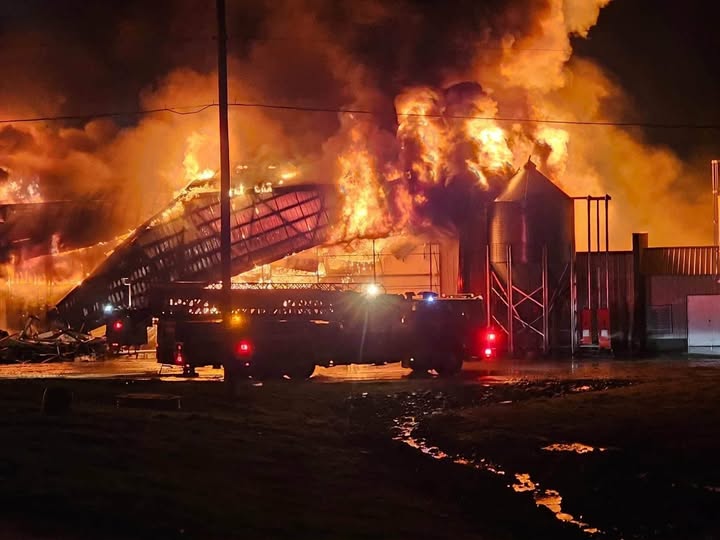
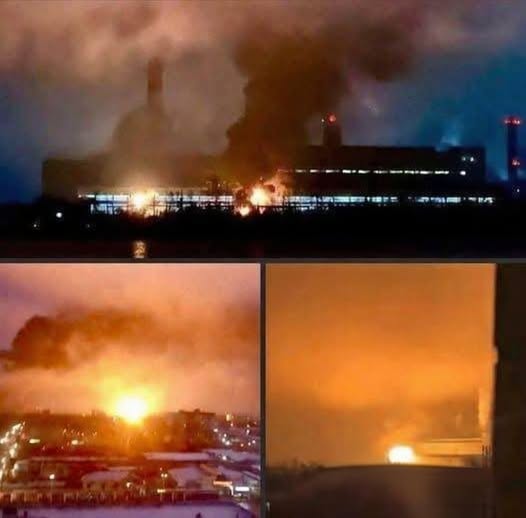
A massive fire tore through the Pamplona Alta area of Lima on Saturday afternoon, leaving widespread devastation in one of the city’s densely populated neighborhoods. The blaze erupted in the district of San Juan de Miraflores and quickly spread through a tightly packed cluster of mostly improvised homes, forcing hundreds of residents to flee for their lives as towering flames and thick smoke consumed entire sections of the community.
Witnesses described scenes of panic and chaos as families rushed into the streets carrying children, personal belongings, and whatever possessions they could save in the few moments available before the fire engulfed their homes. Videos recorded by residents showed enormous flames rising above the hillside neighborhood while desperate screams and the sounds of explosions echoed throughout the area.
Emergency crews responded rapidly after receiving reports of the fire, but the conditions on the ground made containment extremely difficult. Narrow pathways between homes, limited access roads, and the highly flammable materials used in many of the structures allowed the fire to spread with alarming speed. Firefighters battled intense heat, heavy smoke, and dangerous conditions for hours before finally managing to contain the blaze.
Authorities say the scale of destruction is severe. Preliminary estimates indicate that dozens of homes were damaged or completely destroyed, though some local officials fear the total could exceed 100 affected structures. Hundreds of families have reportedly been displaced, with many left without shelter, clothing, or basic necessities.
The disaster has once again highlighted the vulnerability of densely populated informal settlements in many parts of Peru’s capital. Pamplona Alta is known for its steep hillsides and rapidly expanding communities where many residents build homes using lightweight and inexpensive materials such as wood, plastic panels, plywood, corrugated metal, and recycled construction materials. While these structures provide affordable housing for low-income families, they are also highly vulnerable to fires and other disasters.
According to firefighters involved in the response operation, the rapid spread of the flames was largely fueled by these combustible building materials and the extremely close proximity of the homes. In many sections of the neighborhood, houses are built almost directly against one another, leaving little space to prevent fires from jumping between structures.
Residents reported that within minutes, flames had moved from one home to several others, creating a chain reaction that quickly overwhelmed the community. Strong winds in the area may also have contributed to the fire’s rapid expansion, carrying embers across rooftops and igniting additional structures.
Complicating the emergency further were reports of explosions occurring during the fire. Multiple videos shared on social media appeared to show bursts of light and loud detonations as the blaze intensified. Authorities now believe the fire may have reached a clandestine fireworks workshop operating within the neighborhood, significantly increasing the danger and accelerating the destruction.
Investigators suspect that illegal fireworks production or storage may have played a key role either in starting the fire or worsening its impact once the flames spread. Fireworks workshops operating without permits are a recurring safety concern in parts of Latin America, where informal manufacturing and storage sometimes take place in residential areas despite strict regulations.
Officials from local emergency agencies stated that investigators are now focusing heavily on the suspected fireworks site as part of the ongoing inquiry into the cause of the disaster. Forensic teams and fire specialists are expected to analyze debris, witness accounts, and damage patterns to determine exactly how the blaze began and why it spread so quickly.
The presence of fireworks in densely populated residential neighborhoods creates particularly dangerous conditions because the materials are highly explosive and can trigger secondary fires and violent detonations. During Saturday’s disaster, residents reported hearing repeated explosions as the fire consumed parts of the community, increasing panic among families trying to escape.
Many survivors described the terrifying speed with which the situation unfolded. Some said they initially believed the fire was small and manageable, only to realize moments later that entire blocks were burning uncontrollably. Others spoke of desperately attempting to rescue elderly relatives, pets, and important documents before the flames reached their homes.
Families displaced by the fire are now facing an uncertain future. Emergency shelters have been established for affected residents, while local authorities and humanitarian organizations work to provide food, water, blankets, medical care, and temporary housing. Volunteers from surrounding neighborhoods have also mobilized to collect donations and assist families who lost everything in the blaze.
Images from the aftermath show rows of blackened debris, collapsed roofs, burned household items, and smoke rising from the remains of homes that once housed entire families. Children could be seen searching through ashes alongside parents trying to salvage anything left behind.
Local officials have pledged support for victims and promised a thorough investigation into the causes of the fire. Authorities are also assessing the structural stability of nearby buildings to determine whether additional evacuations are necessary due to the risk of collapse or lingering hazards.
The tragedy has sparked renewed debate about housing conditions, urban planning, and public safety in informal settlements throughout Lima. Experts have long warned that overcrowded neighborhoods with limited infrastructure are especially vulnerable to disasters such as fires, landslides, and earthquakes. Many communities lack adequate emergency access routes, reliable electrical systems, and fire prevention resources.
Urban development specialists argue that rapid population growth and economic inequality have contributed to the expansion of informal housing areas where residents often build homes without formal planning, permits, or safety standards. While these communities provide essential shelter for thousands of families, they can also expose residents to heightened risks during emergencies.
Firefighters responding to the disaster reportedly faced additional challenges due to limited water access and difficult terrain. Some roads leading into the affected area were too narrow for larger emergency vehicles, forcing crews to carry equipment uphill through crowded passages while battling intense flames.
The incident also underscores the dangers posed by illegal fireworks operations in residential zones. Authorities throughout Peru have repeatedly conducted raids targeting unauthorized workshops and storage facilities, especially ahead of major holidays and celebrations when fireworks demand increases. However, enforcement remains difficult in densely populated communities where informal economic activities are common.
Community leaders are now calling for stronger safety inspections, improved emergency infrastructure, and better support for vulnerable neighborhoods. Many residents say they fear similar tragedies could happen again unless meaningful preventive measures are taken.
The emotional toll of the disaster is enormous. Families who spent years building their homes and communities now face the painful reality of starting over from nothing. Parents worry about where their children will sleep, how they will replace lost belongings, and what the future holds in the coming weeks and months.
Despite the devastation, scenes of solidarity have also emerged throughout the crisis. Neighbors helped one another evacuate during the fire, while volunteers and aid organizations quickly arrived to support displaced families afterward. Social media campaigns calling for donations and assistance spread rapidly as Peruvians across the country expressed sympathy and support for the victims.
As investigations continue, authorities hope to determine whether negligence, illegal activity, or unsafe conditions contributed to the catastrophe. If the suspected fireworks workshop is confirmed to have played a role, criminal charges could potentially follow against those responsible.
For now, however, the focus remains on recovery and humanitarian assistance. Hundreds of residents remain displaced, mourning the loss of homes, memories, and stability. The fire in Pamplona Alta stands as another painful reminder of the risks faced by vulnerable communities living in overcrowded urban settlements where poverty, limited infrastructure, and unsafe conditions can quickly turn a small spark into a devastating tragedy.