As a pet owner, part of your responsibility is feeding, caring for, and truly understanding your animal. Dogs aren’t just pets that live in your home—they’re social creatures with their own language, instincts, and ways of communicating. The better you understand those behaviors, the stronger your bond becomes. And sometimes, understanding your dog means learning to see “awkward” moments through their eyes.
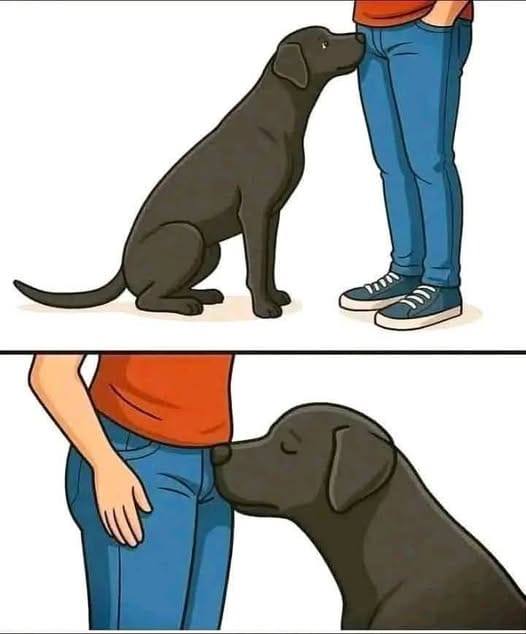
One behavior that often surprises—or embarrasses—new dog owners is when dogs sniff private areas. It can happen in the living room when guests arrive, at the park when you’re trying to look calm and polite, or even in public when you wish you could disappear for a second. People may laugh, step back, or feel uncomfortable. But for your dog, this isn’t rude, weird, or inappropriate in the way humans interpret it. It’s natural, instinctive, and—most importantly—informative.
Why dogs sniff private areas: it’s information, not bad manners
Dogs live in a world built on smell. Humans experience life primarily through vision and sound. Dogs, however, experience the world through scent first. Their noses are not just “better” than ours—they are in a completely different category. While humans may pick up the scent of perfume or food, dogs can detect layers of information in a single smell the way we might read a paragraph.
So when a dog approaches someone and goes straight for a sniff, they aren’t trying to embarrass you. They’re trying to learn. It’s their version of introducing themselves.
A popular trainer, Master Bowie, described it simply: dogs sniff to “gather information and say hello.” That’s a good way to think about it. Where humans might greet each other with a handshake, a smile, or a quick “Nice to meet you,” dogs greet with their nose.
The science behind it: apocrine glands and pheromones
Here’s where it gets interesting. Humans have different types of sweat glands, but one type—called apocrine glands—plays a big role in the way dogs gather information. Apocrine glands release chemical signals that can contain details about a person’s identity and physical state. Those signals are often called pheromones.
Pheromones can carry information such as:
- age range
- sex
- reproductive status (in animals, and to a lesser degree in humans)
- emotional state (stress, fear, excitement)
- general health cues
Apocrine glands are concentrated in areas like the armpits and genital region. These areas produce strong, distinct scents compared to other parts of the body. And because dogs have such powerful noses, those concentrated scent zones are like “information hotspots.”
Now, here’s the awkward part: dogs can’t easily reach armpits. But the crotch area is often right at their nose level—especially for medium and large dogs. From your dog’s perspective, it’s the most direct route to the strongest scent signals. That’s why the behavior happens so consistently. It’s not personal. It’s practical.
Dogs “talk” with scent the way we talk with words
Dogs don’t have language like humans. They can’t ask, “How old are you?” or “Are you feeling okay?” or “Are you nervous?” So they use the tools they have—body language and scent.
When your dog sniffs someone, they are essentially asking questions:
- “Who are you?”
- “Where have you been today?”
- “Are you stressed?”
- “Are you sick?”
- “Do you have another pet at home?”
- “Are you friendly?”
You may not realize it, but smell tells dogs a lot about what’s happening inside your body. People who work with detection dogs (like search-and-rescue or medical alert dogs) know just how precise a dog’s nose can be. Even without special training, pet dogs can still detect subtle changes in humans. That’s why dogs sometimes become clingier when you’re sick or act differently when you’re anxious. They’re picking up signals you didn’t even know you were sending.
So yes—sniffing can be your dog’s equivalent of a handshake and an introduction. The difference is that humans don’t greet each other by placing their face near someone else’s most personal area, so it feels shocking. But in dog culture, greeting by scent is normal.
Why it happens more with some people than others
You might notice your dog sniffs certain people more intensely. That’s usually because scent signals vary. For example:
- People who have been exercising or sweating more
- People wearing certain fabrics that trap odor
- People who are stressed (stress can alter body chemistry)
- People who have other animals at home
- People who recently handled food, smoke, or strong scents
- People going through hormonal changes
Sometimes the dog is simply curious, especially if the person is new. Other times, the dog may be picking up a scent that feels unfamiliar or “interesting.” It’s not always about attraction or dominance. It’s mostly about novelty and information.
Is it “bad behavior”? Not exactly—but it can be redirected
Even though sniffing is normal for dogs, you’re still allowed to set boundaries. Your guests may not appreciate a nose-first greeting, and you might not want your dog practicing this behavior in public. The key is understanding that the goal isn’t to punish your dog for being a dog—it’s to teach them a more polite way to greet people.
The good news is: this is a behavior you can redirect with training.
Dogs learn best through positive reinforcement, meaning you reward the behavior you want rather than focusing on punishment. Redirecting sniffing works well because the dog isn’t being “bad”—they’re just doing what comes naturally. You’re simply teaching a different habit.
Simple ways to redirect your dog politely
Here are practical approaches that help:
1) Teach a default greeting behavior (sit)
One of the easiest solutions is teaching your dog that when they meet someone, they should sit.
- When a person approaches, ask your dog to “sit.”
- Reward immediately with a treat or praise.
- Only allow greeting (petting, attention) when your dog remains sitting.
Over time, your dog learns: “Sitting gets me what I want.”
2) Use “leave it” or “off” as a gentle interrupter
If your dog goes in for a sniff, calmly say “leave it” or “off,” then redirect them to a command they know, like “sit” or “come.” The moment they follow your instruction, reward them.
The goal is to break the habit loop and replace it with something more appropriate.
3) Give your dog a job
Dogs often sniff because they’re excited and curious. Giving them a “job” helps channel that energy.
Examples:
- “Go to your bed” when guests arrive
- “Find it” games (scattering treats on the floor)
- Holding a toy during greetings
A dog with something to do is less likely to focus on sniffing people.
4) Manage greetings before they happen
Training is best, but management helps too:
- Keep your dog on a leash when guests first enter
- Step between your dog and the person if needed
- Ask guests to greet your dog calmly instead of hyping them up
Excitement makes sniffing more intense. Calm greetings reduce it.
What not to do
Avoid harsh punishment or yelling. Your dog won’t understand that sniffing a private area is “socially wrong.” They may only learn that greeting people leads to trouble, which can create anxiety or fear. You want your dog to stay friendly and confident—just with better manners.
Instead, stay consistent and gentle. Your dog will learn faster and feel safer.
Turning embarrassment into understanding
Once you understand why dogs sniff private areas, the behavior stops feeling so random. It becomes a window into how your dog’s mind works. They are not trying to be inappropriate—they are trying to communicate. They are gathering information the way humans do through conversation.
When you treat the behavior with patience instead of frustration, you strengthen trust. You’re telling your dog: “I understand what you’re doing, but I’ll guide you toward a better way.”
That balance—respecting instinct while teaching boundaries—is one of the best definitions of good pet care.
The bigger lesson: your dog isn’t “weird,” they’re just a dog
Dogs are incredibly social animals. They’re curious, alert, and built to read the world through scent. Sniffing is their first language. It’s how they explore and connect. And while you can absolutely train your dog to greet people more politely, it helps to remember that the instinct behind the behavior is normal.
So the next time your dog goes in for that awkward sniff, take a breath. Redirect calmly. Reward the behavior you want. And remember: you’re not raising a robot—you’re raising a living, feeling animal with instincts that have existed far longer than human social rules.
When you observe, learn, and gently guide your dog, you help them feel understood while maintaining appropriate behavior. And that’s exactly what responsible pet ownership looks like: patience, attention, consistency, and respect for your dog’s natural way of communicating.