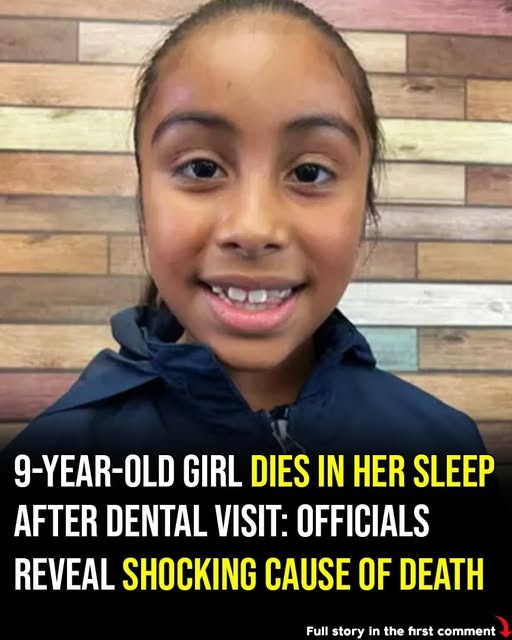
The tragic death of 9-year-old Silvanna Moreno in San Diego has sent shockwaves through her community and raised urgent questions about pediatric dental care, patient safety, and communication between families and healthcare providers. What began as a routine attempt to address persistent tooth pain ended in a devastating loss that no parent should ever have to endure.
Silvanna, described by her family as a bright and loving child, had been struggling with dental discomfort for several months. According to reports, her pain began around October 2024 and gradually worsened, prompting her family to seek professional care. After initial consultations, she was referred to a specialized clinic, Dreamtime Dentistry, where a comprehensive dental procedure was scheduled.
On March 18, Silvanna underwent a lengthy treatment that reportedly lasted around three hours. The procedure included a root canal on a molar, the placement of a crown, and the extraction of multiple decayed teeth—both baby and permanent. While such procedures are not uncommon in pediatric dentistry, the combination of treatments and duration made this a complex case requiring careful monitoring and preparation.
What has made this case particularly concerning is the timeline leading up to the procedure. According to her family, Silvanna had experienced a fever the day before her appointment. While the fever reportedly subsided after being treated with children’s Tylenol, it may have been a sign of an underlying condition that warranted further evaluation. Whether this information was fully communicated or understood by the dental team is now a critical point of scrutiny.
A spokesperson for the clinic stated that Silvanna’s mother had completed a pre-operative form indicating that the child was not sick at the time of the appointment. This discrepancy between the family’s account and the clinic’s documentation highlights a common but serious issue in healthcare: the potential for miscommunication or misunderstanding during pre-procedure assessments. Even seemingly minor symptoms, like a recent fever, can carry significant implications when anesthesia or invasive procedures are involved.
Following the procedure, Silvanna was discharged. Tragically, just hours later, her condition deteriorated rapidly. Emergency services were reportedly contacted, but despite efforts to save her, she passed away the same day. The exact cause of death has not yet been publicly confirmed, pending further investigation, including an autopsy and medical review.
As details continue to emerge, attention has also turned to the dentist involved in the procedure. Reports indicate that the practitioner had previously been investigated in connection with a near-fatal incident involving another patient. While it is not yet clear whether that past case bears any direct relevance to Silvanna’s death, it has intensified calls for greater oversight and transparency in dental practice histories, especially when treating children.
This incident raises broader questions about safety protocols in pediatric dentistry. Procedures involving sedation or anesthesia—particularly in young patients—require rigorous screening, precise dosing, and continuous monitoring. Children are more vulnerable to complications due to their size, physiology, and potential difficulty in communicating symptoms. As such, any pre-existing condition, recent illness, or unusual symptom should be carefully evaluated before proceeding.
The role of informed consent is also under scrutiny. Parents rely heavily on healthcare providers to guide them through complex decisions, especially when multiple procedures are recommended at once. Clear communication about risks, alternatives, and warning signs is essential. In this case, it remains unclear whether the full scope of potential complications was discussed or understood.
Beyond the clinical aspects, the emotional impact of this tragedy is profound. Silvanna’s family is now left grappling with unimaginable grief, seeking answers about what went wrong and whether anything could have been done differently. Their loss has resonated with parents across the country, many of whom are now questioning the safety of routine medical and dental procedures.
The community response has been one of mourning and support. Vigils, online tributes, and messages of condolence have poured in, reflecting the deep empathy people feel when a child’s life is cut short under such circumstances. At the same time, there is a growing demand for accountability—not only in this specific case but across the broader healthcare system.
Regulatory bodies and investigators are expected to conduct a thorough review of the incident. This will likely include examining medical records, procedural protocols, staff qualifications, and any prior complaints or disciplinary actions مرتبط with the clinic or practitioner. The findings could have implications not only for those directly involved but also for industry standards and regulations.
In the meantime, this case serves as a sobering reminder of the importance of vigilance in healthcare. For parents, it underscores the need to communicate openly and thoroughly about a child’s health history, even if symptoms seem minor or resolved. For providers, it highlights the responsibility to probe deeper, verify information, and prioritize patient safety above all else.
Ultimately, the death of Silvanna Moreno is a tragedy that extends beyond a single family. It is a call to action for improved safety measures, clearer communication, and stronger oversight in pediatric care. While no investigation can undo what has happened, it can help ensure that lessons are learned—and that future patients are better protected.
As the search for answers continues, one thing remains certain: a young life was lost far too soon, and her story will not be forgotten.