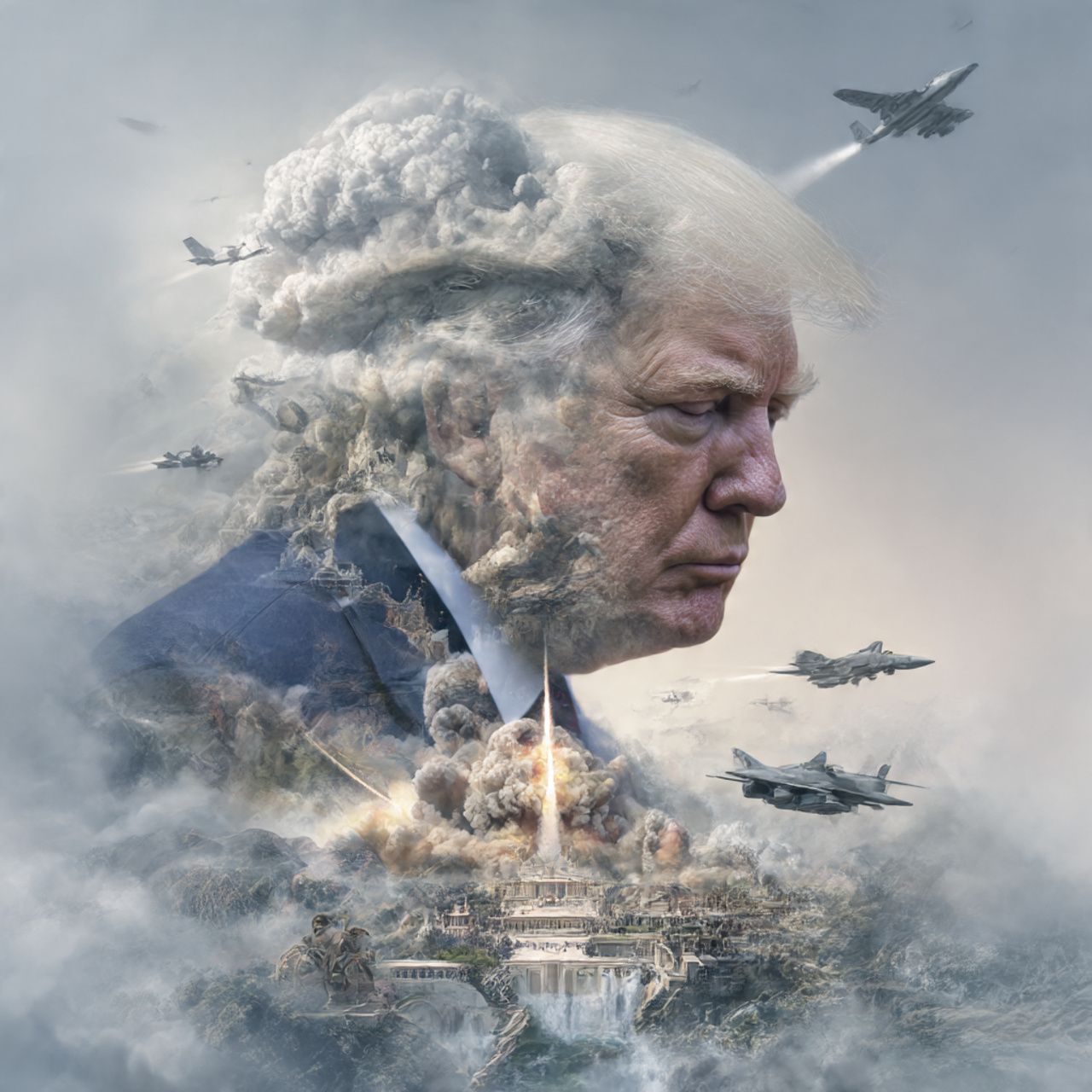
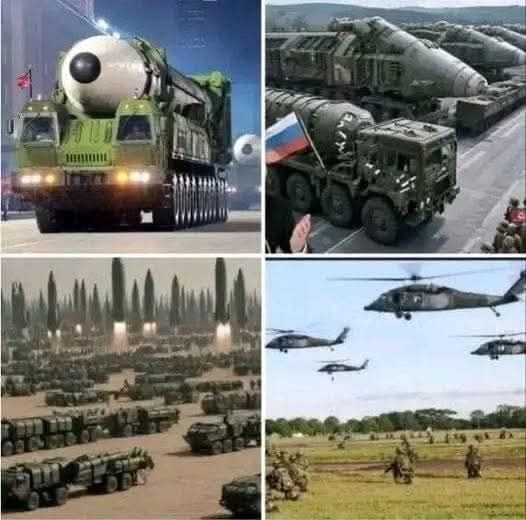
The question of who should decide when the United States goes to war has been debated since the founding of the country. Some people believe that the president should have the authority to act quickly and decisively, especially when national security is at stake. Others argue that Congress must play a central role in authorizing military action to ensure democratic accountability. The tension between these two viewpoints reflects a larger constitutional balance designed to prevent abuses of power while still allowing the government to respond effectively to threats.
Under the U.S. Constitution, the power to declare war is granted to Congress, while the president serves as commander-in-chief of the armed forces. This structure was intentionally designed by the nation’s founders. They believed that decisions about war — one of the most serious actions a nation can take — should not be made by a single individual. Instead, they wanted multiple branches of government involved so that the decision would reflect careful debate and broad consensus.
However, critics of congressional involvement often point to the practical challenges of this arrangement. Congress consists of 535 members, including both the House of Representatives and the Senate. In situations involving national security, intelligence information is often highly classified and extremely sensitive. Sharing that information with hundreds of lawmakers could increase the risk of leaks or misunderstandings. Many people therefore question whether such a large group of individuals, who may not all have deep expertise in military strategy or intelligence, should have a direct role in decisions that could lead to war.
Those who support stronger presidential authority argue that modern conflicts require speed and secrecy. Military operations frequently depend on surprise, strategic planning, and rapid response to emerging threats. If the president must wait for lengthy congressional debates before taking action, the opportunity to neutralize a threat may be lost. In situations where lives are at risk — such as imminent attacks or terrorist threats — delays could potentially endanger both American troops and civilians.
Supporters of presidential decision-making also emphasize that the president is elected by the entire nation. Because the office represents the collective will of the American people, they argue that the president has a unique mandate to make critical national security decisions. In this view, it may be more effective to rely on a small circle of experienced military leaders, intelligence officials, and national security advisers who have the expertise needed to evaluate threats and plan strategic responses.
At the same time, advocates of congressional oversight believe that concentrating too much power in the executive branch could be dangerous. History provides several examples in which leaders have taken nations into prolonged conflicts without sufficient oversight or debate. By requiring congressional authorization, the system forces the government to publicly justify military action and ensures that elected representatives from across the country have a voice in the decision.
Congress also plays an important role in representing diverse perspectives. Members of Congress come from different regions, communities, and political backgrounds. This diversity can help ensure that decisions about war consider the broader national interest rather than the views of a small group of advisers. Critics of executive-only decision making argue that relying on a limited circle of officials could increase the risk of groupthink or policy mistakes.
To address the balance between these concerns, the United States adopted the War Powers Resolution of 1973. This law attempts to define the limits of presidential authority in military conflicts. It allows the president to deploy U.S. forces in certain situations without prior congressional approval but requires the administration to notify Congress within a specific period of time. If Congress does not authorize the military action within a set timeframe, the law requires that the forces be withdrawn.
In practice, however, the War Powers Resolution has been the subject of ongoing debate. Some presidents have argued that it restricts their constitutional authority as commander-in-chief, while some members of Congress believe it does not go far enough to ensure proper oversight. Over the decades, U.S. military operations in places such as Vietnam, Iraq, Afghanistan, and Libya have raised repeated questions about how the law should be interpreted.
Another factor complicating the issue is the nature of modern warfare. Unlike traditional conflicts between large nation-states, many contemporary threats involve terrorist organizations, cyber warfare, and rapidly evolving security situations. These challenges often require quick decisions and flexible responses, making it more difficult to follow the traditional model of formally declaring war.
Some analysts suggest that a possible solution lies in strengthening communication between the executive branch and key congressional committees. Rather than sharing sensitive intelligence with all 535 members of Congress, the president and national security team often brief smaller groups of lawmakers who specialize in defense and intelligence matters. These committees include members who have security clearances and experience handling classified information.
This approach attempts to strike a balance between secrecy and accountability. By involving a smaller group of knowledgeable legislators, the government can maintain operational security while still ensuring that elected representatives participate in oversight. Such systems recognize that national security decisions require both expertise and democratic legitimacy.
Ultimately, the debate over who should decide when America goes to war reflects a fundamental tension within democratic governance. On one hand, swift and decisive leadership can be essential in times of crisis. On the other hand, the power to wage war carries enormous consequences, including the loss of life, economic costs, and long-term geopolitical effects. For this reason, many constitutional scholars argue that sharing responsibility between branches of government helps protect the nation from impulsive or poorly considered decisions.
The question is unlikely to be resolved completely because it involves competing priorities: efficiency, secrecy, democratic representation, and constitutional safeguards. Each new conflict or international crisis tends to revive the discussion about the appropriate balance of power between the president and Congress.
In the end, the American system was designed to ensure that decisions about war are never taken lightly. While the president leads the armed forces and may act quickly in emergencies, Congress provides oversight and represents the voices of the American people. This balance, though sometimes imperfect and debated, remains one of the defining features of the United States’ constitutional framework.