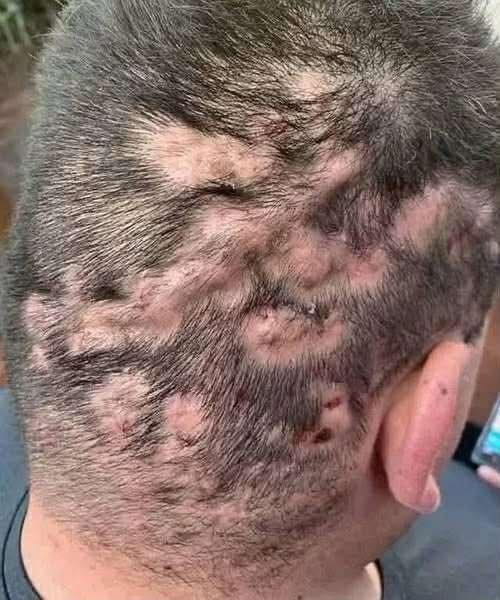
Dark, velvety patches of skin—most commonly found on the neck, underarms, groin, or even knuckles—are often misunderstood. At first glance, they may look like dirt, poor hygiene, or simple skin discoloration. Many people try to scrub them away, assuming they’re temporary or cosmetic. But when these patches don’t fade, don’t wash off, and instead slowly thicken or spread, they may be signaling something deeper happening inside the body.
This condition is known as Acanthosis Nigricans—and while it affects the skin, its roots are often metabolic.
It’s important to understand that Acanthosis Nigricans is not a disease in itself. It is a marker, a visible clue that the body may be struggling with underlying issues, most commonly insulin resistance. That distinction matters, because treating the skin alone won’t address the real cause. The skin is simply reflecting what’s happening internally.
What Acanthosis Nigricans Looks Like
The patches associated with Acanthosis Nigricans are typically:
- Darker than the surrounding skin (brown to almost black)
- Thickened and slightly raised
- Velvety or soft in texture
- Found in skin folds (neck, armpits, groin, under breasts)
Unlike dirt or surface discoloration, these patches cannot be scrubbed off. They are painless and usually not itchy, which is why they can go unnoticed or be ignored for long periods. In many cases, people only become aware of them when someone else points them out—or when they begin to spread.
While the condition itself doesn’t cause discomfort, what it represents can be significant.
The Link to Insulin Resistance
The most common cause of Acanthosis Nigricans is insulin resistance—a condition in which the body’s cells don’t respond effectively to insulin. Insulin is the hormone responsible for helping glucose (sugar) enter cells to be used for energy. When cells resist insulin, the body compensates by producing more of it.
High insulin levels in the bloodstream can trigger skin cells to grow and multiply more rapidly than normal. This leads to the thickened, darkened patches characteristic of Acanthosis Nigricans.
This is why the condition is often associated with an increased risk of Type 2 Diabetes.
It acts as an early warning sign—sometimes appearing years before diabetes is formally diagnosed.
Risk Factors and Causes
While insulin resistance is the most common driver, several factors can increase the likelihood of developing Acanthosis Nigricans:
1. Obesity
Excess body weight is one of the strongest risk factors. Fat tissue, particularly around the abdomen, can interfere with how the body uses insulin.
2. Hormonal Disorders
Conditions like polycystic ovary syndrome (PCOS), thyroid imbalances, or other endocrine disorders can contribute to insulin resistance and skin changes.
3. Genetics
Some individuals may be genetically predisposed, especially if there is a family history of insulin resistance or diabetes.
4. Medications
Certain drugs—such as corticosteroids, hormonal treatments, or some birth control pills—can influence insulin levels and contribute to the condition.
5. Rare Causes
In uncommon cases, Acanthosis Nigricans may be linked to underlying tumors, particularly when it appears suddenly and progresses rapidly. This form is rare but important to recognize.
Children and Early Warning Signs
A particularly important group to monitor is children and adolescents.
When young individuals develop these skin patches—especially in the context of obesity—it may indicate early metabolic imbalance. Because type 2 diabetes is increasingly being diagnosed at younger ages, recognizing Acanthosis Nigricans early can provide an opportunity for intervention before more serious complications develop.
In this sense, the skin becomes a visible signal—one that can prompt early action.
When to See a Doctor
Not every case of skin discoloration is cause for concern, but certain signs should not be ignored.
You should consider medical evaluation if:
- The patches appear suddenly or worsen quickly
- They spread beyond common areas (neck, armpits)
- They are accompanied by symptoms like fatigue, excessive thirst, or frequent urination
- There is a personal or family history of diabetes
A doctor will typically begin with a physical examination and may recommend blood tests to assess:
- Blood glucose levels
- Insulin levels
- HbA1c (a marker of long-term blood sugar control)
These tests help determine whether insulin resistance or diabetes is present.
Management: Treating the Root Cause
Because Acanthosis Nigricans is a symptom rather than a standalone condition, treatment focuses on addressing the underlying issue.
1. Lifestyle Changes
The most effective approach often involves:
- Improving diet (reducing processed sugars and refined carbohydrates)
- Increasing physical activity
- Achieving and maintaining a healthy weight
Even modest weight loss can significantly improve insulin sensitivity and, over time, reduce the appearance of skin changes.
2. Medical Management
In some cases, doctors may prescribe medications to help regulate blood sugar or improve insulin sensitivity.
3. Skin Treatments (Supportive)
While not addressing the root cause, certain topical treatments or dermatological procedures may help improve the appearance of the skin. However, these are secondary to managing the underlying metabolic issue.
Prevention and Awareness
Acanthosis Nigricans is one of those conditions where awareness can make a meaningful difference.
Because it is visible, it provides an opportunity for early detection—something many internal conditions lack. Recognizing it early allows individuals to take proactive steps before more serious complications develop.
Prevention largely overlaps with general metabolic health:
- Balanced nutrition
- Regular exercise
- Routine health screenings
- Monitoring weight and blood sugar levels
A Message Beyond the Skin
Perhaps the most important takeaway is this:
Not all skin changes are superficial.
Sometimes, the body communicates through subtle signals—changes that may seem cosmetic but carry deeper meaning. Acanthosis Nigricans is one of those signals. It doesn’t cause pain. It doesn’t demand attention. But it does offer information.
Information about how the body is functioning.
Information that, if acted upon early, can prevent long-term health issues.
Too often, these patches are dismissed or misunderstood. People may feel embarrassed, assume it’s a hygiene issue, or simply ignore it. But understanding the condition transforms that perspective—from confusion to clarity, from neglect to action.
Because in reality, the skin is not the problem.
It’s the messenger.
And when the body sends a message, the most important thing we can do is listen.