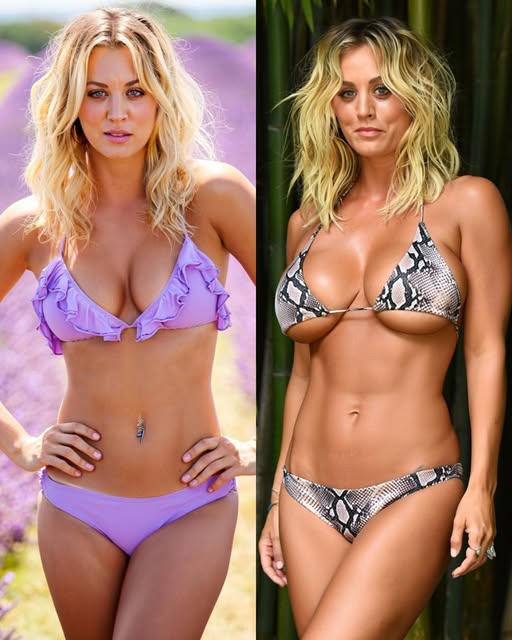
Let’s be real: that “beach-lean, toned, tight waist, defined legs/hips/shoulders” look is a mix of training, nutrition, recovery, and genetics — plus lighting, posing, and timing. The good news is you can absolutely build a similar vibe if you focus on the controllables: muscle tone, body fat level, posture, and consistency.
This isn’t about punishing yourself. It’s about building a body that looks strong, feels good, and turns heads because you carry it like you own it.
1) Understand what you’re actually chasing
That look usually comes from two things happening together:
- Enough muscle in the right places (glutes, legs, shoulders, back, core) to create shape.
- Low-to-moderate body fat so muscle definition shows (without needing extreme leanness).
If you only diet hard without training, you’ll get smaller but not “toned.”
If you only train hard without nutrition, you’ll get stronger but may not reveal definition.
The magic is the combination.
2) Training: shape comes from strength (3–5 days/week)
To build curves + definition, lift weights with progressive overload (gradually increasing weight, reps, or control over time). You don’t need fancy routines — you need repeatable weeks.
The aesthetic focus areas:
- Glutes + legs for curves and lower-body tightness
- Shoulders + upper back for a sculpted “V” taper (smaller-looking waist)
- Core for a firm midsection and better posture
A simple weekly plan (effective and realistic)
Day 1 – Lower body (glute focus)
- Hip thrusts or glute bridges: 4×8–12
- Romanian deadlift: 3×8–10
- Bulgarian split squats: 3×8–10/leg
- Cable kickbacks or abductions: 3×12–15
- Calves (optional): 3×10–15
Day 2 – Upper body (shoulders/back)
- Overhead press or dumbbell press: 3×6–10
- Lat pulldown or assisted pull-up: 3×8–12
- Row variation: 3×8–12
- Lateral raises: 4×12–20
- Face pulls or rear delts: 3×12–20
Day 3 – Cardio + core (light)
- 30–45 min incline walk / cycling / steady cardio
- Core circuit (2–3 rounds):
- Plank 45–60 sec
- Dead bug 10–12/side
- Pallof press 12–15/side
Day 4 – Lower body (quad/ham balance)
- Squat or leg press: 4×6–12
- Hamstring curl: 3×10–15
- Walking lunges: 3×10–12/leg
- Step-ups: 2–3×10/leg
- Glute abduction: 2–3×15–25
Day 5 – Optional “pump” day / full body
Short, high-rep, sweaty session: shoulders, glutes, core, and a bit of cardio.
Key rule: Train hard, but don’t destroy yourself. You want consistency for months.
3) Cardio: use it to support the look (2–4x/week)
Cardio helps with conditioning, recovery, and burning calories — but the “shape” still comes from strength training.
Best options for staying lean without flattening muscle:
- Incline walking (very underrated)
- Cycling
- Stair climber (glute-friendly, but intense)
- Short HIIT (1–2x/week max if you recover well)
Also: steps matter. Try 8,000–12,000 steps/day if fat loss is a goal. It’s a cheat code that doesn’t wreck recovery.
4) Nutrition: the difference between “fit” and “that fit”
To reveal definition, you need the right calorie level and enough protein.
Protein (non-negotiable)
Aim for 1.6–2.2g protein per kg of body weight daily.
Example: if you’re 80 kg → 128–176g/day.
Protein keeps you full, helps recovery, and protects muscle while leaning out.
Calories: small deficit, not starvation
If you want to get leaner:
- Start with a 10–20% calorie deficit
- Track progress for 2–3 weeks
- Adjust slowly
Crash dieting makes you lose water, muscle fullness, energy, and mood — and it often rebounds.
Carbs & fats: don’t fear either
- Carbs fuel training and keep muscles looking full
- Fats support hormones and satiety
A simple plate that works:
- 1–2 palms protein
- 1–2 fists carbs (more on training days)
- 1 thumb fats
- 1–2 fists vegetables
Drink water, salt your food, and keep fiber steady (your digestion affects how “tight” your midsection looks).
5) The underrated part: recovery makes bodies look better
If you’re constantly inflamed, exhausted, and stressed, your body holds water, cravings rise, and progress slows.
Do this and you’ll look better fast:
- 7–9 hours sleep
- 2–3 rest days or light days weekly
- Manage stress (walking, sunlight, social time)
- Don’t train to failure every set — save that for final sets occasionally
6) How long it takes (honest timeline)
Depending on your start point:
- 4–6 weeks: noticeable tightness, better posture, improved tone
- 8–12 weeks: real changes in shape + definition
- 4–9 months: “wow” transformation territory
Photos like the one you shared are often taken when someone is:
- trained consistently for a long time, and/or
- in a lean phase, good lighting, good posing, good timing
7) The “looks like that” details people don’t mention
If you want the full effect:
- Posture: shoulders back, ribs stacked, glutes engaged
- Core training: focus on stability (planks, dead bugs, Pallof press)
- Shoulder cap: lateral raises 2–3x/week is gold
- Glute priority: hip thrusts + split squats + abductions
- Consistency: the sexiest thing is discipline
A final note (important)
You can chase the vibe — lean, strong, confident — without copying a single person’s exact proportions. Bodies vary. But the process is the same: lift with intention, eat with structure, recover like it’s part of the plan.
If you tell me your age, height, weight, and goal (leaner? bigger glutes? tighter waist? overall toned?), I’ll write you a personal 8-week plan with workouts + calories/macros and a realistic schedule.