They don’t rely on volume, spectacle, or complexity. They arrive quietly, say exactly what needs to be said, and stay with the world forever. This is one of those songs.
Recorded and released in the early 1960s, “Crazy”—written by Willie Nelson and immortalized by Patsy Cline—is barely over two minutes long. Yet more than half a century later, it still echoes through radios, playlists, films, and hearts across generations.
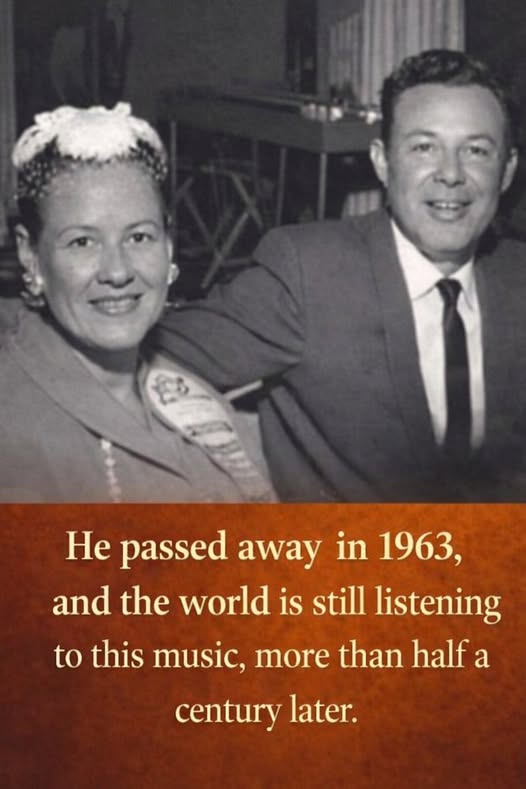
Patsy Cline passed away in 1963, far too young, but her voice never left. There’s something almost impossible to describe about it: warm, aching, controlled, and devastatingly honest. In “Crazy,” every note feels suspended in time, as if she’s confessing something the listener already knows but has never dared to say out loud.
What makes the song extraordinary isn’t just the melody—it’s the restraint. No excess. No rushing. Just space, emotion, and vulnerability. Cline doesn’t beg or dramatize; she simply admits. And in that admission, millions of listeners have found themselves reflected.
Willie Nelson’s songwriting plays a quiet but crucial role. The phrasing is unusual, almost conversational, slightly behind the beat. At the time, it felt risky. Today, it feels timeless. The song doesn’t follow trends—it ignores them.
In just two minutes, “Crazy” manages to say what many albums never do:
- the confusion of love,
- the shame of wanting someone who may never return,
- and the dignity of owning that truth.
That’s why the world is still listening.
It’s been covered countless times, analyzed endlessly, and ranked among the greatest songs ever recorded—not because it tries to be great, but because it’s real. Every generation that discovers it hears something new, yet the core emotion never changes.
Patsy Cline may have left this world in 1963, but her voice continues to breathe life into music. “Crazy” isn’t just a song—it’s proof that when honesty meets talent, even two minutes can last forever.