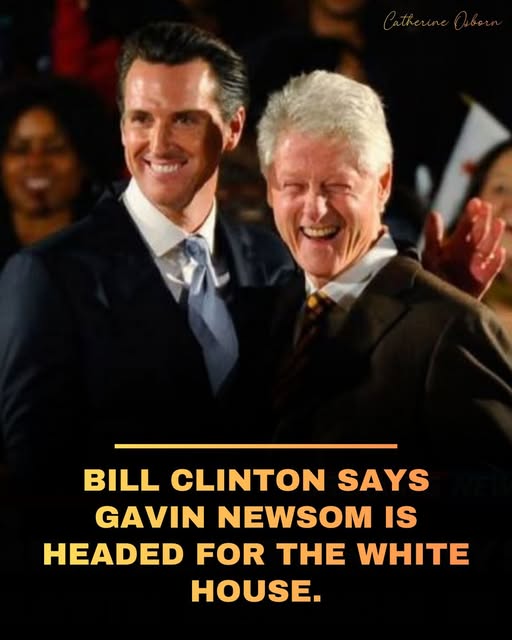
In the long shadow of a tough national election cycle, ambitious politicians don’t just move on — they dissect, rethink, and recalibrate. Few figures appear to be doing that as visibly as California Governor Gavin Newsom. Recent political analysis has portrayed him not as a cautious résumé-builder, but as a Democrat testing a sharper, more combative style rooted in a simple diagnosis: the party’s problem wasn’t a lack of policy ideas, it was a perception of weakness.
That framing, highlighted in major political coverage and insider conversations, suggests Newsom is positioning himself for a future where tone and posture matter as much as platforms and white papers. The question now circulating among strategists and voters alike is whether this approach is a blueprint for winning a national nomination — or a risky gamble that could backfire before the starting gun even fires.
The Theory Behind the Shift
Every election cycle produces a flood of “postmortems.” Consultants, donors, and operatives pore over data trying to explain what went wrong. One recurring theme in recent Democratic circles has been the idea that voters sometimes respond as much to perceived strength and clarity as to policy specifics.
The argument goes like this:
Voters may assume Democrats already support social programs, civil rights, and regulatory frameworks. What they look for beyond that is conviction, assertiveness, and the willingness to defend positions without apology.
Newsom’s reported takeaway aligns with this thinking. Rather than softening rhetoric to avoid backlash, he appears more willing to engage in direct confrontation — particularly on cultural and ideological flashpoints.
From Caution to Combat
Traditional political wisdom often rewards caution. Front-runners historically try to avoid mistakes, limit exposure, and maintain broad appeal. But modern media ecosystems reward visibility and boldness. Viral moments, sharp soundbites, and clear contrasts travel farther than nuanced policy briefings.
Newsom’s evolving style seems tailored to that reality.
- More direct language
- More willingness to spar publicly
- Less concern about ideological purity tests
- Greater focus on drawing contrasts
To supporters, this signals backbone. To critics, it can look like theatrics. Either way, it draws attention — and attention is political currency.
The Electability Question
The central tension is electability. Primary voters often reward passion and ideological clarity. General election voters sometimes prefer steadiness and broad appeal. The traits that win one phase can complicate the other.
A confrontational style may energize a base hungry for fighters. But it can also mobilize opposition or alienate moderates who prefer a less polarizing tone.
Political history offers examples both ways:
- Candidates who rode bold personas to victory
- Others who burned bright early but struggled under national scrutiny
Newsom’s challenge, if he seeks higher office, would be balancing forcefulness with coalition-building.
Media Savvy as a Strategy
One thing few dispute: Newsom is media fluent. He understands the mechanics of modern political communication — cable hits, social clips, rapid-response messaging. In an age where narratives form in hours, that skill matters.
Leaning into cultural debates rather than avoiding them can keep a politician in the conversation cycle. It also allows them to frame issues on their terms instead of reacting to opponents’ frames.
But constant engagement carries risks. The more you speak, the more material critics have to work with. The spotlight magnifies both strengths and missteps.
A Party in Identity Debate
Newsom’s posture also reflects a broader Democratic identity debate. After difficult losses, parties often wrestle with competing lessons:
- Move toward the center
- Double down on core values
- Rebrand messaging
- Change messengers
Some Democrats argue the party should emphasize pragmatic governance and kitchen-table economics. Others believe strong ideological contrast is the clearer path.
Newsom’s apparent strategy lands closer to the second camp: clarity and confrontation over cautious triangulation.
The Voter Psychology Factor
Voters don’t just choose policies; they choose leaders. Psychology plays a role. Studies in political behavior often show that perceptions of strength, confidence, and authenticity influence decisions.
A candidate seen as decisive may gain trust even among those who don’t agree on every issue. Conversely, a candidate seen as overly calculating can lose emotional connection.
Newsom’s recalibrated tone may be an attempt to tap into that dynamic — projecting certainty in an uncertain era.
Risks on the Road to a Nomination
Still, early front-runner buzz can be a double-edged sword. The higher the expectations, the harsher the scrutiny. Opposition research intensifies. Past decisions resurface. Every statement gets parsed.
A strategy built on confrontation must be sustainable. Constant escalation can exhaust audiences or create self-inflicted controversies.
There’s also the coalition factor. Democratic nominations require assembling diverse groups: progressives, moderates, labor, young voters, older voters, and more. Messaging that excites one slice may not resonate with another.
The Bigger Picture
Zooming out, Newsom’s trajectory highlights how American politics is evolving. Campaigns increasingly resemble ongoing media campaigns rather than seasonal contests. Politicians test national messages years in advance. Narratives form long before ballots print.
Whether Newsom ultimately runs or not, his strategic shift is a case study in how ambitious leaders adapt after party setbacks. It shows how quickly political styles can change when the perceived stakes rise.
✔️ Check Below — The Real Takeaway
👇 Check below for the core insight:
Newsom’s emerging approach isn’t just about one politician’s ambitions. It reflects a Democratic Party searching for a tone that signals strength without losing breadth. His bet appears to be that voters reward leaders who sound certain, even at the risk of being polarizing.
Will that formula win a nomination? Too early to tell.
Will it shape the conversation heading into 2028? Very likely.
In modern politics, the fight over style can matter almost as much as the fight over substance. And right now, Gavin Newsom seems determined not to be seen as harmless.