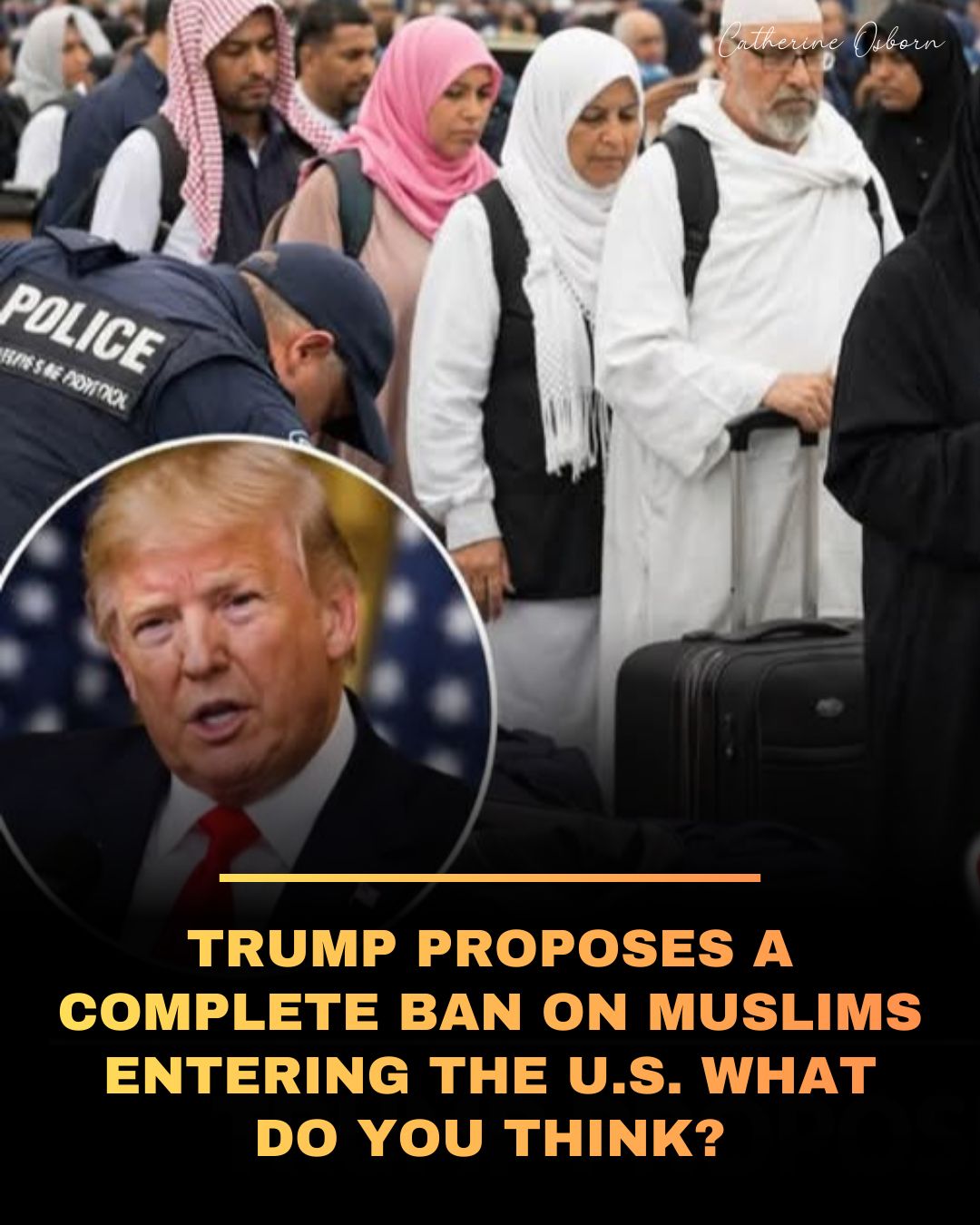
Few modern U.S. policy debates have generated as much heat, confusion, and lasting discussion as the proposal by Donald Trump to bar Muslim entry into the United States during his 2015–2016 presidential campaign. The statement, delivered at a time of global anxiety over terrorism, instantly became headline news around the world. Supporters called it a bold national-security stance. Critics called it discriminatory and unconstitutional. Years later, the topic still surfaces whenever Americans discuss immigration, religious freedom, and the limits of executive power.
To understand why this moment mattered so much, it helps to look at the context. The mid-2010s were marked by several high-profile terrorist attacks internationally, along with growing fears about global extremism. In that climate, many voters were concerned about border control, vetting procedures, and intelligence sharing between countries. Trump’s campaign positioned itself as prioritizing security above all else, arguing that temporary restrictions could allow time to review and strengthen screening systems.
However, the phrasing of a religion-based ban triggered immediate backlash. The United States has long defined itself as a nation built on religious freedom and pluralism. Legal scholars, civil-rights organizations, and many political leaders argued that targeting a faith group contradicted foundational constitutional values. The First Amendment’s protection of religious liberty became central to the debate. For critics, the issue wasn’t only about policy effectiveness — it was about what kind of country America aims to be.
Once Trump took office, the policy conversation shifted from campaign rhetoric to executive action. The administration introduced travel restrictions affecting several countries identified as having limited information-sharing or security concerns. Importantly, the official orders did not mention Islam or religion. Instead, they named specific countries. The administration maintained that the policy focused on national security and vetting standards, not faith.
Even so, controversy continued. Opponents argued that the earlier campaign language revealed discriminatory intent. Protests occurred at airports and major cities. Lawsuits were filed. Courts temporarily blocked early versions of the orders, leading to revisions. The debate moved through multiple levels of the judiciary and became a defining legal battle of the period.
The issue eventually reached the U.S. Supreme Court in the case known as Trump v. Hawaii. In 2018, the Court upheld a version of the travel restrictions, ruling that the president has broad authority over immigration and national entry when citing national security. Supporters of the policy saw the decision as validation. Critics argued that legality did not automatically make the policy wise or fair.
Beyond the courtroom, the social and political effects were significant. Many Muslim Americans reported feeling singled out or stigmatized. Community leaders worried about the message sent to minority groups and to international partners. On the other hand, some voters felt reassured that the government was taking visible steps on security. This divide reflected deeper differences in how Americans balance safety and civil liberties.
Immigration policy has always been emotionally charged because it touches identity, economy, and security all at once. The “Muslim ban” debate, as it became widely labeled in media and public discourse, highlighted how quickly policy discussions can become symbolic. For some, it symbolized strength and caution. For others, it symbolized exclusion and fear. In reality, it was a complex mix of legal authority, political messaging, and public perception.
It also revealed how campaign statements can echo long after elections. Words spoken during rallies can resurface in court arguments and public memory. In modern politics, messaging is inseparable from policy outcomes. Leaders must consider not only what they propose, but how they frame it.
Internationally, the reaction showed how interconnected global politics has become. Allies, advocacy groups, and foreign governments weighed in. Some expressed concern about religious discrimination. Others acknowledged every nation’s right to control its borders. The episode reminded observers that U.S. domestic policy can have diplomatic ripple effects.
Years later, the debate still appears in discussions about executive power. How much authority should a president have over entry to the country? Where is the line between precaution and prejudice? How should courts evaluate intent versus written policy? These questions did not begin or end with this case, but the controversy sharpened them.
Another important takeaway is how public opinion evolves. Polls at the time showed deeply divided views. Over time, some opinions shifted as details became clearer or as new issues emerged. That’s common in democratic societies: perspectives change as people weigh values, evidence, and lived experience.
The broader theme here is balance. Governments have a duty to protect citizens, but they also have a duty to uphold constitutional principles. Finding the equilibrium between those responsibilities is never simple, especially during moments of perceived threat. Democracies often wrestle with this tension, and the outcomes shape national identity.
It’s also worth noting that immigration and travel policies long predate any single administration. Presidents from both parties have restricted entry from certain countries at various times. What made this moment unique was the religious framing in early rhetoric and the scale of public attention. It became a cultural flashpoint as much as a policy one.
For many Americans, the debate served as a reminder to stay informed and engaged. Immigration law is complex, and headlines rarely capture the full legal and historical background. Thoughtful discussion requires separating campaign soundbites from enacted policy and court rulings.
In the end, the controversy remains a case study in how security, freedom, and politics intersect. It shows how a proposal can spark legal battles, protests, and global dialogue. It also shows that democratic systems are built to debate, challenge, and review executive actions.
Whether one supported or opposed the policy, the episode underscored something fundamental: immigration policy is never just about borders. It’s about values, identity, and how a nation defines fairness and safety at the same time.
And perhaps that’s why this debate still draws attention. It wasn’t only about who could enter the country. It was about how America sees itself — and how it wants to be seen by the world.