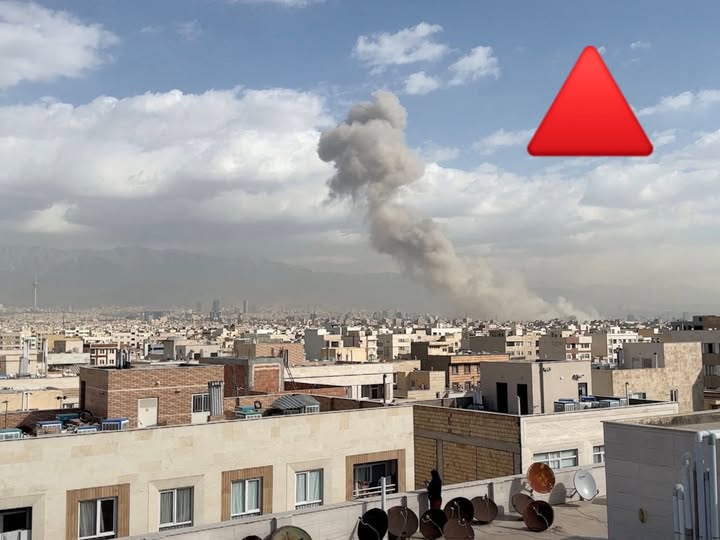
As Iran’s missile barrages continue, officials have confirmed at least nine civilian deaths within Israeli territory from Iranian strikes, alongside numerous injuries — including from flying debris and shattered glass during sheltering.
While Israel’s Iron Dome and other defense measures have intercepted many of the incoming threats, the psychological and physical toll of repeated alerts and occasional impacts is unmistakable. Hospitals and emergency services across major cities are reporting heightened activity, while volunteers and civilians alike pitch in to assist those in need.
Beyond the immediate blast zones, the conflict’s indirect consequences are deeply felt: economic activity has slowed, public events have been postponed or canceled, and the atmosphere of fear has profoundly altered daily routines. Traditional gatherings — such as Purim celebrations scheduled in recent days — have been shifted into bomb shelters as residents attempt to preserve cultural life even under bombardment.
For many, the conflict has redefined the simple act of getting children to school, buying groceries, or going to work, as each day’s rhythm must now account for the possibility of sudden alerts and emergency evacuations. Families rearrange their homes to designate safer rooms, workplaces calibrate contingency plans, and communities share real-time updates through social media.
National Emergency and Government Response
The Israeli government has declared a state of emergency nationwide, enforcing measures designed to protect the civilian population and maintain essential services. Schools and non-essential businesses have been closed, public gatherings have been restricted, and additional reservists have been called up to support national defense efforts.
Prime Minister Benjamin Netanyahu has vowed to defend Israeli territory and citizens “at all costs,” asserting that the nation will not yield to external pressure or intimidation. Government officials continue to push for both short-term security and longer-term strategies to neutralize Iran’s missile capabilities, while also seeking diplomatic backing from allies.
International Reactions and Future Risks
The conflict has alarmed world leaders and international organizations, many of whom are calling for urgent de-escalation. The United Nations and several foreign governments have issued statements urging restraint, emphasizing that the potential for broader regional war carries grave humanitarian and economic consequences.
Global markets have reacted precipitously to the crisis, with energy prices fluctuating sharply and supply concerns rising as the strategic Strait of Hormuz — a vital artery for international oil shipments — sees increased military activity.
The specter of a prolonged and expansive conflict looms large, with diplomats and analysts warning that each new barrage of missiles and each renewed defense alert increases the peril not just for Israel and Iran — but for civilians throughout the broader Middle East.
A Nation on Edge
For ordinary Israelis, the repeated blare of sirens and the rush for shelter have become stark reminders of how quickly life can change amid geopolitical strife. Parents hold their children a little tighter, commuters plan around missile alert patterns, and communities find strength in solidarity. Neighbors check on one another as they would during a natural disaster, and public discourse today — once dominated by everyday concerns — now centers on safety, endurance, and resilience in the face of warfare.
Whether this cycle of retaliation and response will ease or spiral further remains uncertain. What is clear, however, is that the sound of sirens — a piercing alarm in the sky — has come to define these historic and harrowing days, leaving an indelible mark on the lives of millions caught in the crossfire between nations.