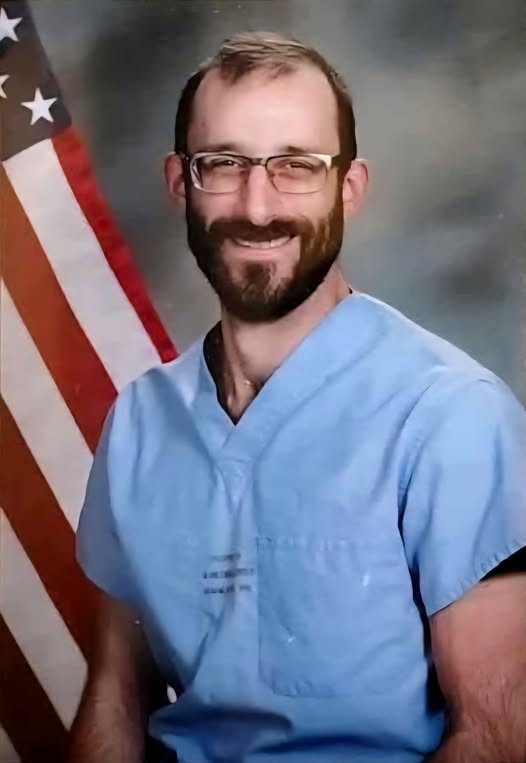
In the midst of national shock and intense debate over the fatal shooting of 37-year-old ICU nurse Alex Jeffrey Pretti in Minneapolis, new reports have emerged suggesting that his interactions with federal immigration agents began days earlier — and were marked by violence and escalating tensions that foreshadowed the tragedy that would follow.
Pretti, a registered intensive care nurse at the United States Department of Veterans Affairs, was shot and killed by U.S. Customs and Border Protection (CBP) agents on January 24, 2026, during a federal “Operation Metro Surge” immigration enforcement action in Minneapolis.
While much of the conversation surrounding his death has focused on the circumstances of the fatal shooting itself, unnamed sources and internal reports now indicate that Pretti had a serious confrontation with federal agents about a week before he was killed — an encounter that left him with a broken rib.
An Earlier Confrontation
According to CNN and other outlets citing anonymous sources, the earlier incident occurred when Pretti observed a group of ICE agents chasing what he described as a family on foot during an enforcement operation in Minneapolis.
Pretti reportedly stopped his vehicle, exited, and began shouting and blowing his whistle — perhaps in protest or to draw attention to the pursuit. Federal agents then allegedly tackled him, with at least five officers involved in restraining him, and one agent’s weight on his back leading to a broken rib.
Sources told CNN that Pretti was given medication afterward that was consistent with treatment for a broken rib, and he was released at the scene without charges being filed.
Surveillance and “On the Radar” Claims
Some reports also suggest that federal authorities may have taken note of Pretti during that earlier encounter — potentially recording his presence, identifying information, and other details as part of an internal documentation process involving protestors and “agitators.”
Unofficial sources described efforts by immigration agents to compile a database of images, license plates, and personal details of demonstrators in Minneapolis, though exact information about Pretti’s inclusion in such a system has not been publicly confirmed.
The Department of Homeland Security publicly denies operating a domestic “terrorist database,” but internal memos reviewed by some outlets reportedly encouraged agents to collect extensive identifying data during the Minneapolis operations.
The Fatal Encounter
Nearly a week after that earlier injury, Pretti was shot multiple times and killed during another interaction with federal agents on January 24.
Official statements from the Department of Homeland Security portrayed the incident as one in which Pretti approached Border Patrol officers while carrying a handgun and resisted attempts to disarm him.
However, multiple independent investigations and video analyses from Reuters, The New York Times, CNN, and others have challenged that narrative, reporting that Pretti appeared to be holding a cellphone rather than brandishing a weapon in the moments before he was forced to the ground by agents.
Witness video shows Pretti standing between an agent and a woman being pushed, pepper-sprayed by law enforcement, and wrestled to the ground before shots were fired — all captured during a chaotic confrontation.
Wider Controversy and Fallout
Pretti’s death has ignited national outrage, debates about law enforcement tactics, and calls for accountability in federal immigration operations. In just three weeks, Minneapolis saw multiple fatal shootings involving federal agents, intensifying scrutiny of the broader “Operation Metro Surge.”
Experts on policing have expressed concern that federal agents’ tactics may not align with modern standards for use of force, raising further questions about how Pretti’s earlier injury and his eventual death unfolded.
Amid the controversy, discussions of federal surveillance of protestors, the legality of enforcement operations, and the proper role of immigration agents in domestic policing continue to play out in national media and legal arenas.