My husband proposed selling the house my late father left my daughter to fund his son’s dream wedding, and I agreed — but on one condition he never saw coming.
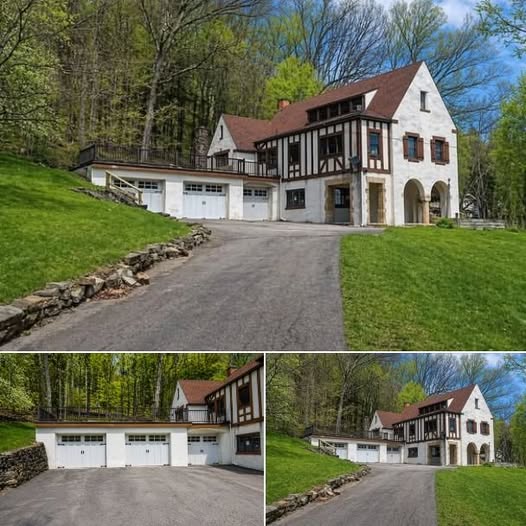
When my father passed three years ago, he left behind one tangible piece of himself: a modest two-bedroom house on the edge of town. He didn’t have much, but he had that. And in his will, he was crystal clear — the house belonged to my daughter, Camila. Not to me. Not to my husband, Rafael. To Camila, who was seventeen at the time and had spent every summer of her childhood there, sleeping in the small room with the yellow curtains her grandfather had picked out himself.
Rafael knew all of this. He was standing right next to me at the lawyer’s office when it was read aloud.
So when he sat me down at the kitchen table eighteen months ago and slid a piece of paper across to me with a real estate agent’s estimate on it, I thought at first I had misunderstood what I was looking at.
I hadn’t.
“His wedding is going to cost almost forty thousand,” Rafael said, calm as anything, like he was talking about refinancing a car. “We don’t have it. But if we sell your father’s house, we’d have it covered with room to spare.”
His son, Marcos, was getting married to a girl whose family expected a certain kind of event. Grand venue, open bar, live band, the whole production. I liked Marcos well enough. But I want to be honest: I had never once heard him express a single worry about where the money was coming from. That was being handled, apparently, by gutting my daughter’s inheritance.
I sat there for a long moment.
Camila was nineteen by then and away at university. She didn’t know about this conversation. Rafael hadn’t suggested we ask her first. He had come to me, her mother, as if the house were mine to negotiate with.
“That house is not ours to sell,” I said.
“Legally, she’s a minor co-owner with you on the deed,” he said. He had already looked into it. “You have authority over the asset.”
That was technically true, in a narrow sense, because of how the estate had been structured temporarily while Camila finished school. But the spirit of my father’s wishes could not have been clearer, and Rafael knew it.
I thought about my father. A quiet man who worked in a hardware store for thirty years. A man who never once asked anything of me except that I be kind. He had spent his last two years making sure that house would give Camila a foundation, something solid when the world felt unstable. He used to say, “A person who has a place to land is never completely lost.”
And now my husband was asking me to sell her landing place so Marcos could have a photobooth and a four-course dinner.
I won’t pretend I handled the next few weeks gracefully. There were arguments. There were long silences that lasted through entire dinners. Rafael kept returning to the same points — family obligation, Marcos’s happiness, the fact that we could always help Camila in other ways later. He said, more than once, “It’s just a house, it’s not like she’s living there.”
Every time he said that, I felt something in me go a little quieter and a little harder.
Finally, I told him I would agree. I would sign whatever needed to be signed. I would not stand in the way.
The look of relief on his face was something I won’t forget.
“But,” I said, “there is one condition.”
He nodded, already relaxing. “Of course, whatever you need.”
“Before any paperwork is drawn up,” I said, “you sit down with Camila — just you, not me, you — and you explain to her exactly what you want to do and why. You look her in the eye and you tell her that her grandfather’s house needs to be sold so Marcos can have his wedding. And if she agrees, I’ll sign.”
The silence that followed was a different kind of silence than the ones we’d been having.
Rafael met with Camila the following Saturday. I stayed home. He drove the two hours to her university town and took her to lunch, and I imagine he sat across from that girl who had her grandfather’s same stubborn eyes and tried to find the words.
He came home that evening and sat down across from me at the same kitchen table.
“She said no,” he told me quietly.
“I know,” I said.
He looked at me for a long moment. “You knew she would.”
“I knew she had the right to.”
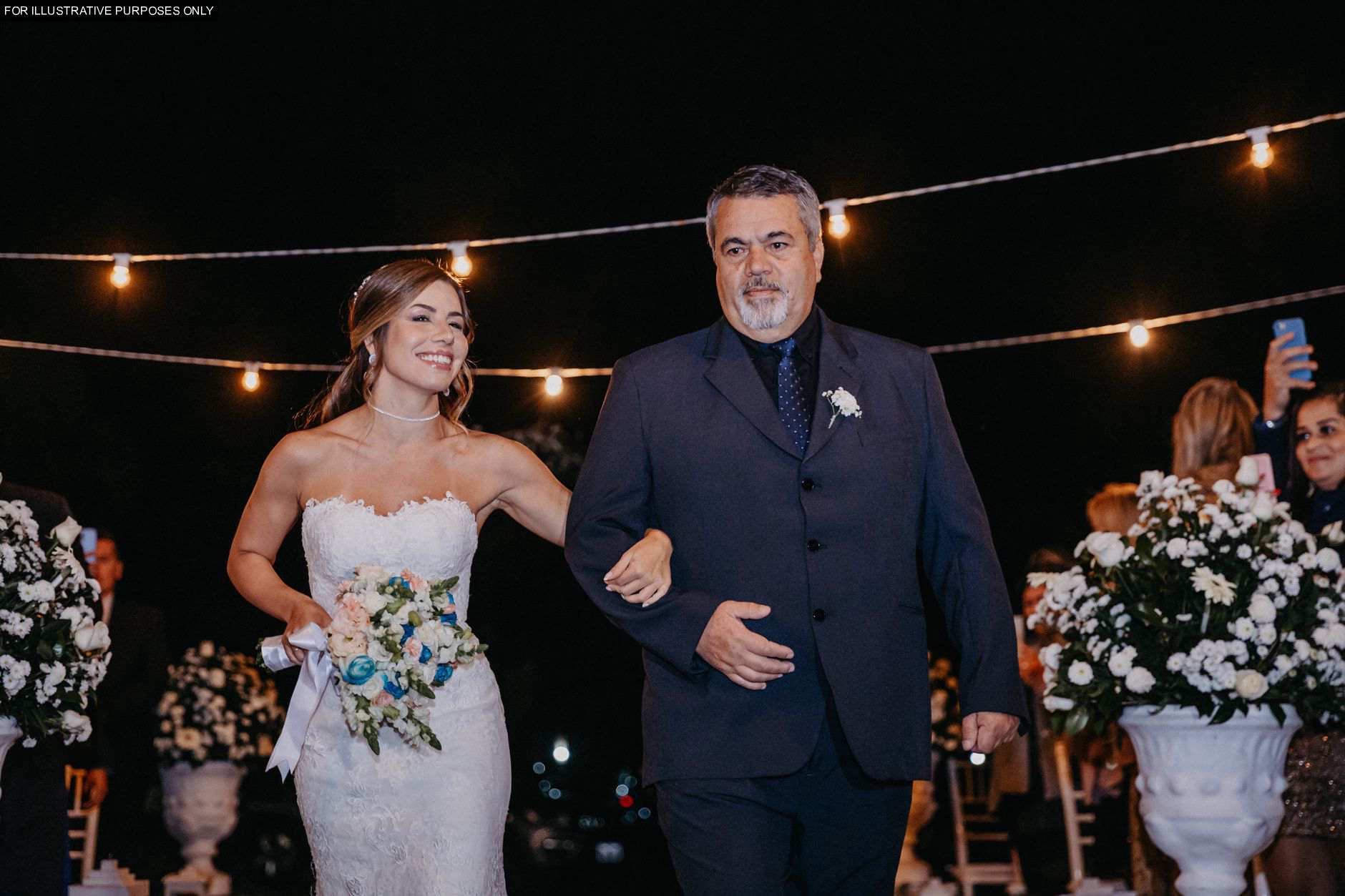
The house was never sold. Marcos’s wedding happened the following spring — scaled back, at a local venue, paid for through a combination of savings and a loan that Rafael and his ex-wife split between them. It was actually a lovely afternoon. Camila was there, dancing with her cousins, radiant in a green dress.
And the little house on the edge of town is still standing, with the yellow curtains still in the small bedroom window.
My father always said a person who has a place to land is never completely lost. I made sure his granddaughter kept hers.