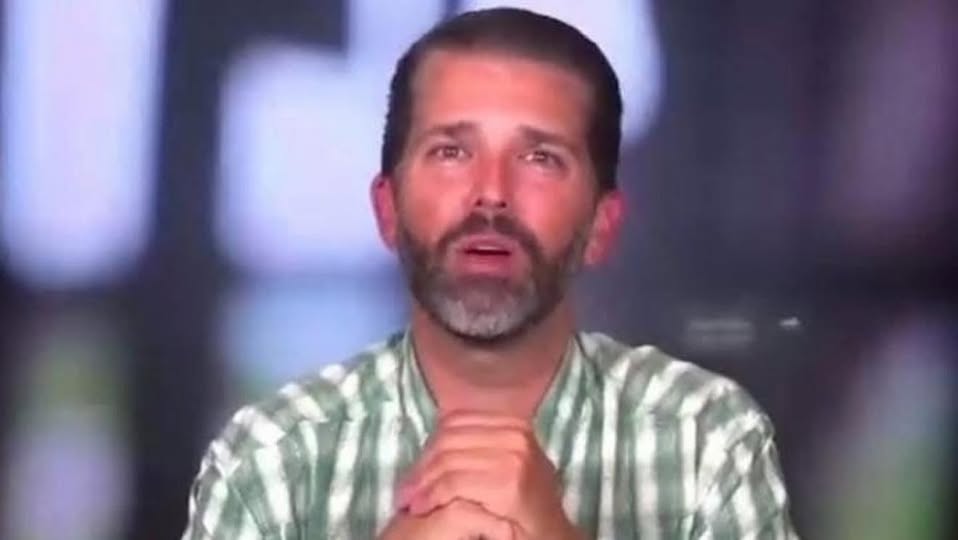
Trump made the remarks while speaking to reporters ahead of his departure for meetings in China, where discussions surrounding regional stability, trade, and the ongoing Iran conflict are expected to feature prominently. During the exchange with journalists, the American president insisted that Iran’s military capabilities had been severely weakened and claimed that the United States remained firmly in control of the situation.
According to reports, Trump stated that the U.S. would achieve victory “one way or the other,” emphasizing that Washington preferred a peaceful outcome but remained fully prepared to use force if necessary. He also claimed that major parts of Iran’s military infrastructure had already been destroyed during months of escalating confrontation.
The latest comments come amid ongoing tensions between Washington and Tehran following months of military escalation, sanctions, diplomatic breakdowns, and conflict involving U.S. allies in the region. The crisis has become one of the most serious geopolitical confrontations in recent years, raising fears about broader instability across the Middle East and disruptions to global energy markets.
Trump’s remarks immediately drew international attention because they appeared to combine diplomatic language with direct military warnings. Analysts say such statements can significantly increase pressure on already delicate negotiations while also signaling strength to both allies and domestic political supporters.
The conflict between the United States and Iran has intensified dramatically over the past several months. Reports indicate that military operations, sanctions, and regional confrontations have placed enormous strain on diplomatic relations between the two countries. At different moments, officials from both sides have hinted at negotiations while simultaneously exchanging threats and accusations.
Despite previous suggestions that hostilities had slowed or entered ceasefire phases, tensions remain extremely high. Trump has repeatedly insisted that the United States holds the advantage militarily and has warned Tehran against resisting American demands.
Iranian authorities, meanwhile, have continued rejecting what they describe as pressure tactics and foreign interference. Leaders in Tehran have accused Washington of aggression and have insisted that Iran will defend its sovereignty and national interests. Iranian officials have also repeatedly demanded sanctions relief and broader recognition of their regional security concerns before agreeing to any long-term settlement.
The situation has become even more complicated because of the involvement of other global powers, including China and Russia, both of which maintain strategic and economic relationships with Iran. Trump recently stated that he did not need Chinese assistance to “win” against Iran, though discussions with Chinese President Xi Jinping are expected to include the conflict among other international issues.
Political observers believe Trump’s latest comments were intended not only for Tehran but also for the international community. By declaring that America would prevail “peacefully or otherwise,” Trump appeared to leave the door open for diplomacy while simultaneously warning that military action remains an option.
Supporters of Trump argue that his tough rhetoric demonstrates strength and deterrence. They believe strong pressure is necessary to prevent Iran from advancing military or nuclear ambitions that Washington views as dangerous to regional and global security. Some Republicans and conservative commentators have praised the administration’s aggressive approach, arguing that Iran responds only to firm pressure.
Critics, however, warn that such language risks inflaming tensions further and could push the region closer to prolonged conflict. Opponents of military escalation argue that war with Iran would carry enormous human, economic, and geopolitical consequences not only for the Middle East but for the entire world.
International markets have also reacted nervously to developments involving Iran, particularly because of concerns surrounding the Strait of Hormuz, one of the world’s most critical oil shipping routes. Any major disruption in the region could impact global energy supplies and fuel prices worldwide.
The conflict has already generated significant debate within the United States itself. Some lawmakers have questioned the legal authority and long-term strategy behind military operations involving Iran. Discussions about congressional approval, war powers, defense spending, and the potential risks of extended military involvement continue to dominate political conversations in Washington.
Defense Secretary Pete Hegseth recently defended the administration’s actions, insisting that American operations have successfully weakened Iran’s military capabilities and strengthened U.S. strategic positioning.
Still, experts remain divided over whether the current strategy will produce lasting stability. Some analysts argue that military pressure alone is unlikely to fully resolve the conflict, while others believe Iran may eventually be forced back to negotiations because of economic and military strain.
Meanwhile, humanitarian concerns continue growing as civilians across the region face uncertainty, economic disruptions, and fears of broader escalation. International organizations and diplomatic observers have repeatedly called for restraint, warning that further escalation could destabilize neighboring countries and worsen already existing humanitarian crises.
Trump’s remarks have also intensified political debate ahead of future elections in the United States. Foreign policy and national security often play major roles in presidential politics, and the administration’s handling of Iran is expected to remain a major issue among voters and political opponents.
Some analysts believe Trump’s strong rhetoric appeals to supporters who favor aggressive foreign policy positions and strong military leadership. Others argue that Americans are increasingly cautious about prolonged overseas conflicts after decades of military involvement in the Middle East.
The international community now faces growing uncertainty over what comes next. Diplomatic negotiations remain fragile, military tensions persist, and both sides continue projecting confidence publicly. While Trump insists the United States will ultimately prevail, Iran continues signaling resistance and determination.
For now, the phrase “peacefully or otherwise” has become the latest headline in an increasingly dangerous geopolitical standoff. Whether the future brings renewed negotiations or deeper confrontation may depend on decisions made in the coming weeks by leaders in Washington, Tehran, and other global capitals closely watching the crisis unfold.