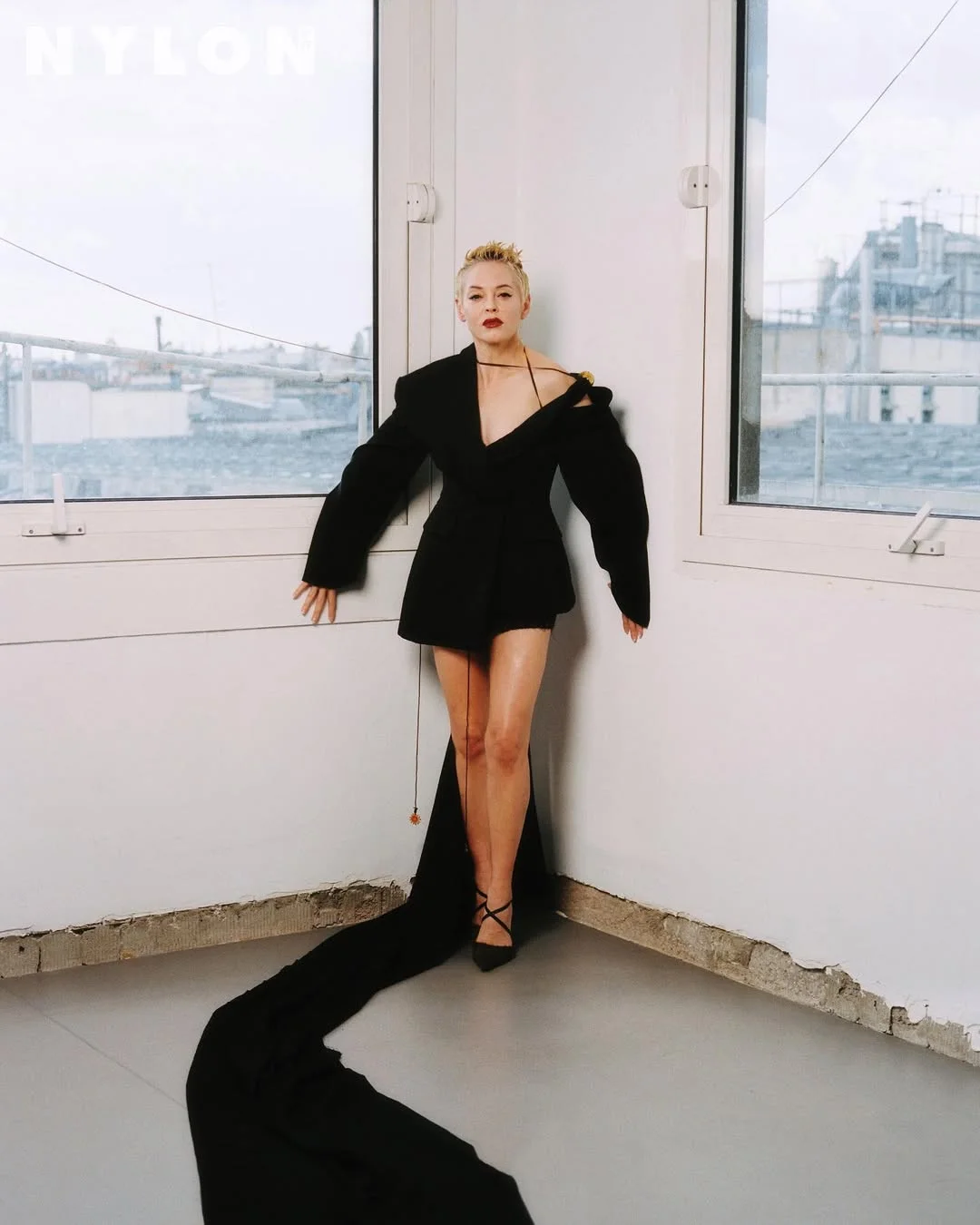
Actress Rose McGowan has revealed shocking details about the treatment she endured while working on the hit TV series Charmed, exposing a toxic environment behind the magic of the show. McGowan, who portrayed Paige Matthews, says that the producers subjected her to relentless scrutiny over her weight, turning her time on set into a humiliating experience.
Speaking on Paul C. Brunson’s podcast We Need to Talk, McGowan explained that after every break or time off, the production team would check to see whether she had gained even a single pound. “They literally circled me to check my weight,” she recalled. “I felt like they were inspecting their product, not a human being.” This constant surveillance left her feeling dehumanized, as if she was nothing more than an object to be evaluated rather than a person with feelings and talent.
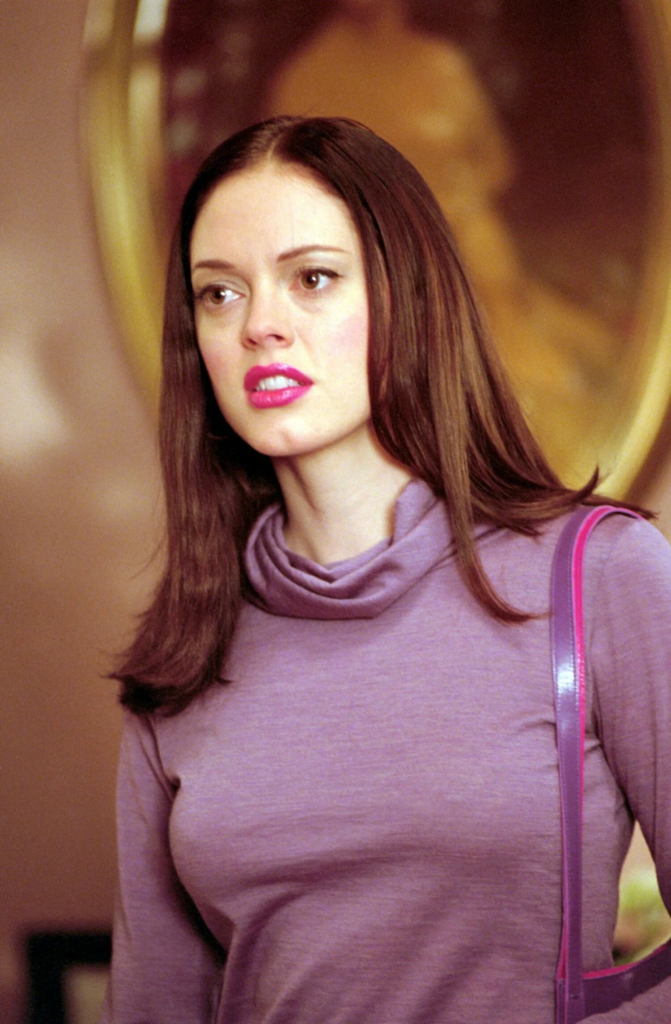
Before joining Charmed, Rose had been empowered to choose her own outfits and apply her own makeup, expressing her personality and sense of style. However, once the show began, the producers stripped her of that autonomy. She was forced to pay an astronomical $6,000 per month to stylists who would reject her favorite dresses, dismissing her personal choices as too “trendy” or “daring.” Meanwhile, the makeup and hair she was given followed rigid studio standards: bright, exaggerated makeup and the show’s signature heavily teased hairstyles, which McGowan compared to a helmet, leaving little room for her individuality.
The experience, she says, left lasting scars. The pressure to conform to unrealistic and rigid beauty standards not only impacted her sense of self but also fueled a culture of fear and judgment on set. McGowan now speaks openly about how the industry often prioritizes appearance over talent, especially for women, and how it actively discourages individuality. “They tried to erase me,” she said, describing the treatment as nothing less than abuse.
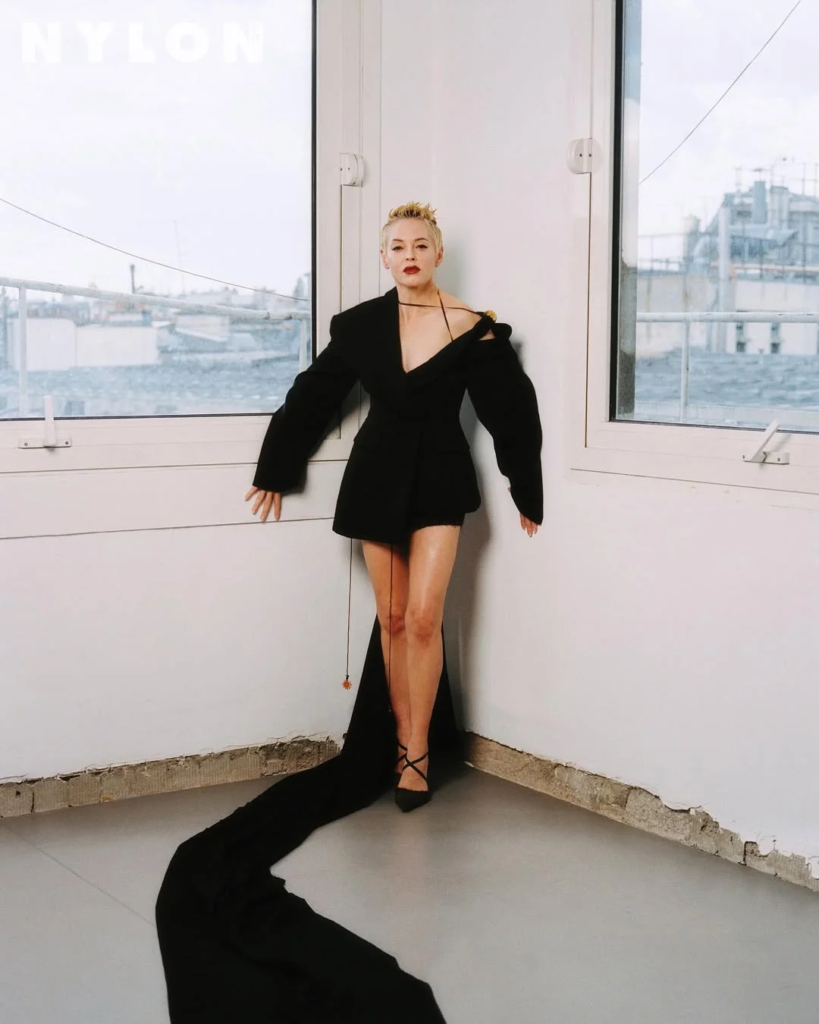
Today, Rose McGowan has become a prominent voice against the toxic beauty standards and exploitative practices of the entertainment industry. Her story sheds light on the hidden struggles actors face, especially women, behind the cameras of shows that appear glamorous to fans. By speaking out, she hopes to challenge the systemic issues that allow such behavior to continue and to empower others to resist being treated as mere objects.
Her revelations serve as a sobering reminder that the magic on screen often comes at a personal cost, and that the battle for creative and personal freedom in Hollywood is still ongoing. McGowan’s courage in telling her story is inspiring a wider conversation about respect, individuality, and dignity in the workplace—and proving that speaking out can be more powerful than silence.