Blood pressure is one of the most important indicators of overall health, yet it is also one of the most misunderstood. For years, many people have relied on outdated advice like “normal blood pressure is 100 plus your age.” According to that belief, a 40-year-old could have a reading of 140/90 and still be considered healthy. However, modern medical science has moved far beyond this idea—and continuing to follow it could quietly put your health at risk.
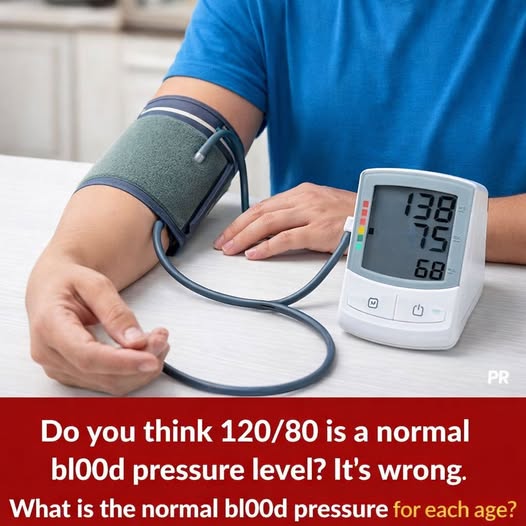
The image above shows a person measuring their blood pressure at home, with a reading of 138/75 displayed on the device. At first glance, this might seem acceptable to many people, especially those who still believe in older guidelines. But today’s medical standards tell us something different. Even though the bottom number (75) looks normal, the top number (138) is considered elevated, and that matters more than many people realize.
Blood pressure is measured using two numbers. The top number, called systolic pressure, reflects the force of blood against artery walls when the heart beats. The bottom number, known as diastolic pressure, measures the pressure when the heart is resting between beats. Both numbers are important, but even one elevated value can increase health risks over time.
For decades, doctors believed that blood pressure naturally rises with age and that this increase was harmless. This led to the widespread assumption that higher readings were normal for older adults. However, research has shown that this is not true. Arteries do not “need” higher pressure as we age. In fact, higher blood pressure places extra strain on the cardiovascular system and can lead to serious complications.
Today, medical guidelines define normal blood pressure as below 120/80 for all adults, regardless of age. Readings between 120 and 129 systolic are considered elevated, and anything at or above 130/80 is classified as high blood pressure. This means that a reading like 138/75, as shown in the image, falls into the category of Stage 1 hypertension—even if the person feels completely fine.
One of the biggest dangers of high blood pressure is that it often has no noticeable symptoms. People can live for years with elevated levels without realizing it. During that time, damage may be slowly occurring inside the body. High blood pressure can harm blood vessels, increase the risk of heart attacks and strokes, and affect organs like the kidneys and brain.
The shift in medical understanding became especially clear in 2017, when major health organizations lowered the threshold for high blood pressure from 140/90 to 130/80. This change was based on strong scientific evidence showing that earlier intervention can significantly reduce the risk of serious health problems. Studies like the SPRINT trial demonstrated that even older adults benefit from maintaining lower blood pressure levels, with reduced rates of heart disease and death.
Despite this, many people still rely on outdated beliefs because they have been passed down for generations. It can feel reassuring to think that slightly higher numbers are acceptable with age. However, this sense of comfort can be misleading. The truth is that maintaining lower blood pressure is beneficial at any stage of life.
There is also an emotional side to this issue. Many people associate “normal” with what they have always been told. Changing that mindset can feel unsettling. But understanding the truth about blood pressure is not meant to create fear—it is meant to create awareness. With awareness comes the ability to take action and make healthier choices.
The good news is that blood pressure can often be improved through simple lifestyle changes. Regular monitoring, like the person in the image is doing, is a great first step. Knowing your numbers allows you to stay informed and proactive about your health.
Healthy habits can make a significant difference. Eating a balanced diet with less salt, staying physically active, managing stress, and avoiding smoking or excessive alcohol can all help lower blood pressure. In some cases, medical treatment may also be necessary, and consulting a healthcare professional is important if readings remain elevated.
Ultimately, the idea of “normal” blood pressure has evolved. It is no longer based on age or outdated rules, but on what best protects the body from long-term harm. A reading that once seemed acceptable may now be recognized as a warning sign—and that knowledge can be life-saving.
The image of a blood pressure monitor displaying 138/75 is a powerful reminder that health is not always obvious. Numbers matter, even when they don’t cause immediate symptoms. By understanding what those numbers truly mean, you can take control of your health and reduce the risk of future complications.
In the end, staying informed is one of the most important steps you can take. Letting go of outdated beliefs and embracing current medical knowledge allows you to make better decisions for your well-being. Because true health is not about what used to be considered normal—it’s about what helps you live longer, stronger, and better.