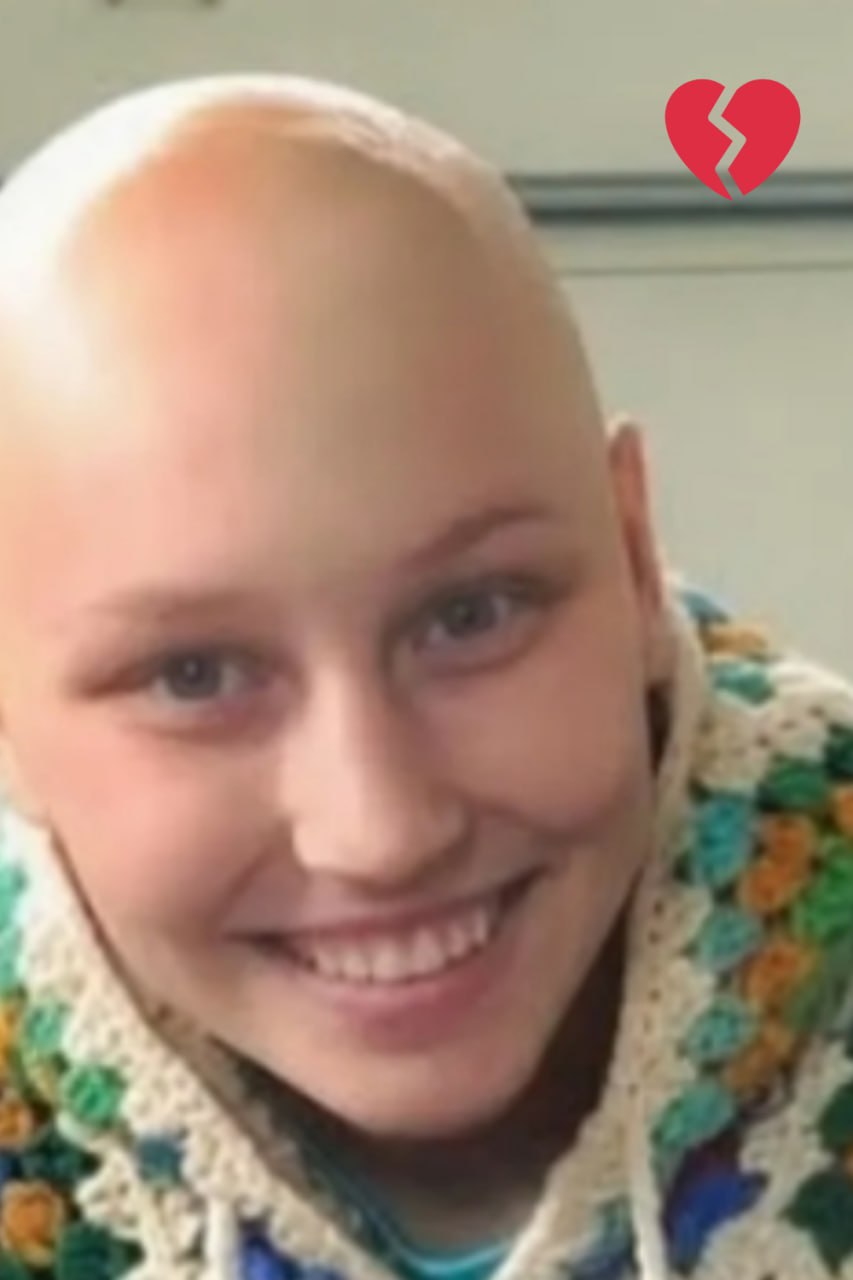
Four months ago, Megan walked into the kitchen with a look on her face I will never forget. Her voice was quiet when she told me she’d found a lump. She was only twenty-four. Just twenty-four. At an age when her friends were choosing wedding dresses, planning baby showers, and dreaming about the future, Megan was suddenly fighting for her life. For the next three days, it felt like the air had been sucked out of my lungs. I moved through the world in a fog, barely able to breathe, barely able to think.
When chemotherapy began, everything happened so fast. In less than two weeks, her hair started falling out. I remember sitting with her on the bathroom floor, watching strand after strand slip into the sink. Her eyes looked distant, as if she were somewhere far away, trying to understand how this had become her reality. I didn’t know what to say. All I could do was wrap my arms around her and hold on, wishing I could take the pain from her and carry it myself.
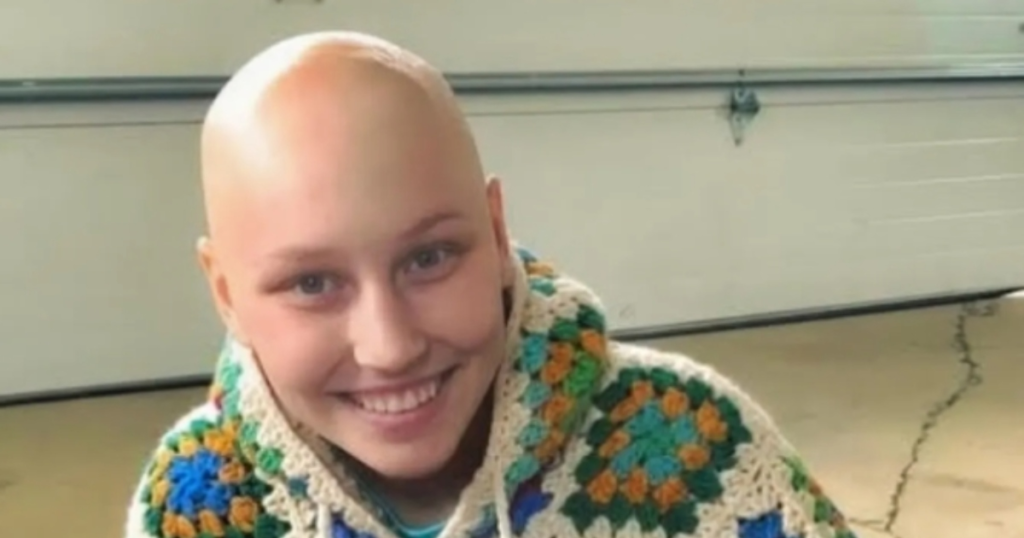
There’s something no one ever tells you about cancer. Those who endure it don’t just need medicine — they need something grounding. Something to hold, to touch, to focus on while the chemicals course through their veins and steal their strength. Megan found that anchor during her infusion sessions.
She began crocheting while the IV dripped beside her. At first, people smiled politely. Some of the nurses even laughed. One of them joked, “Aren’t you a little young for this, honey?” I felt anger rise in my chest, sharp and hot. But Megan didn’t flinch. She just smiled softly and kept going.
Stitch by stitch, row by row, her hands stayed busy while her body fought a war. She had found a beautiful pattern online and decided she would make the warmest, softest sweater she could imagine — something comforting, something created with patience and hope. After a few days, the laughter stopped. Everyone could see it. Her hands were creating something extraordinary, something full of care and quiet determination.
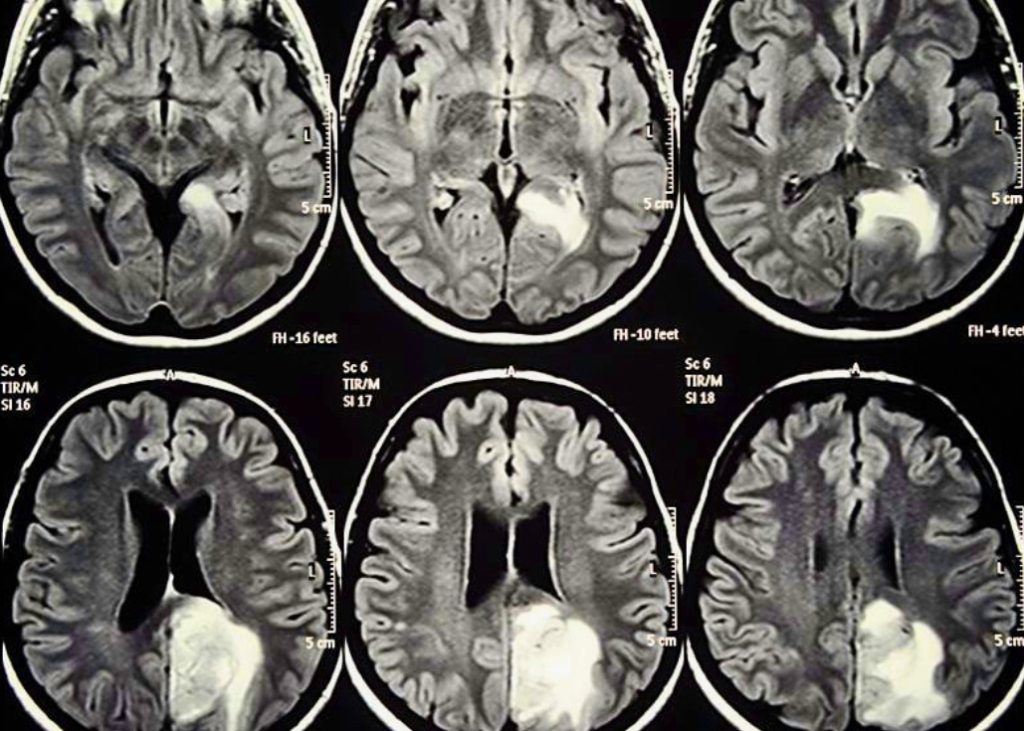
Then came the appointment we had been dreading and praying for all at once. The doctor looked at the scans again and again, as if he didn’t quite trust his own eyes. The tumor had shrunk by half. The nodules in her lungs were gone. Completely gone. I broke down right there in that cold, sterile room, unable to hold back the tears. Months of fear poured out all at once.
Megan stayed calm. She sat there in the sweater she had made with her own hands, smiling in a way that felt bigger than the room itself. Her voice was steady when she asked the doctor if she could finally visit the kittens at the shelter. She had been waiting for weeks, quietly counting the days.
And she didn’t just visit them. She brought them home. All four of them.
Now our house is alive in a way it hasn’t been in months — filled with tiny paws, soft purrs, playful chaos, and balls of yarn scattered across the floor. It’s messy. It’s noisy. It’s imperfect. And it’s full of life again.