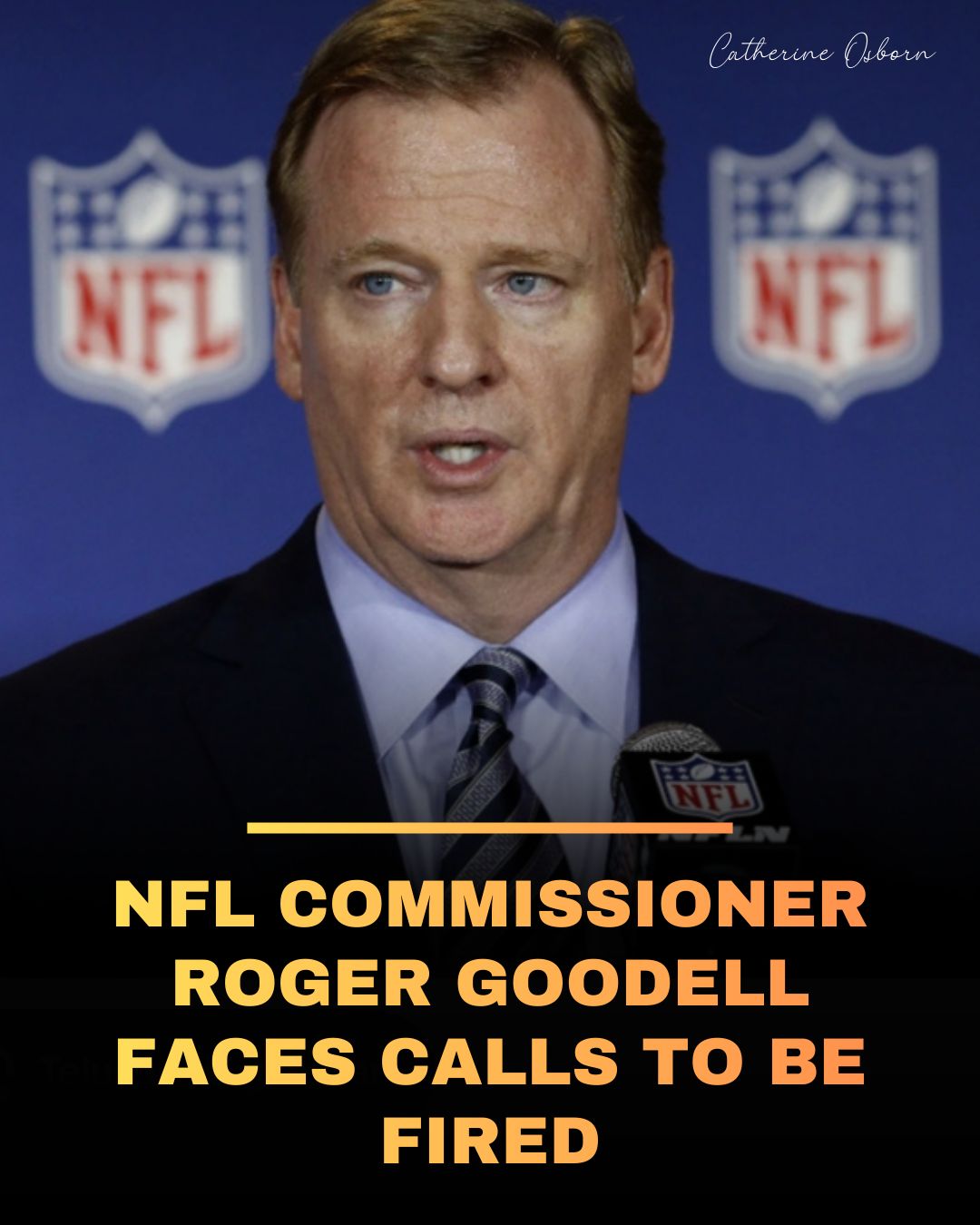
After an already explosive Super Bowl season, the backlash sparked by this year’s halftime show has taken an unexpected turn — right at the top of the NFL’s leadership. NFL Commissioner Roger Goodell is now facing vocal calls from some fans and commentators to be fired following Super Bowl LX, largely tied to the controversial reaction to the halftime performance by Bad Bunny.
The controversy didn’t begin with Goodell — it began long before the game as critics, particularly on the right, expressed objections to the choice of Bad Bunny as headliner. They argued that a Spanish-language show didn’t fit what they believed should be America’s premiere entertainment spectacle. But once Bad Bunny took the stage and the online backlash intensified, so did the scrutiny on Goodell, the league’s top executive.
Critics in online spaces, especially accounts aligned with conservative politics and MAGA-leaning commenters, have made clear their dissatisfaction. One widely shared social-media post featuring a clip of Goodell embracing Bad Bunny went viral with the message that the commissioner had “ruined the NFL” and should lose his job. Other commenters on platforms like X (formerly Twitter) have echoed the demand that Goodell be fired for the league’s choices around the halftime show.
Goodell himself has not shied away from defending the league’s decision. Prior to the performance, he described Bad Bunny as “one of the great artists in the world” and explained the choice was motivated by the artist’s global appeal and ability to bring people together — a message he said aligned with the unifying spirit the league hoped to project.
This isn’t the first time Goodell has faced intense scrutiny during his tenure. Throughout his years as commissioner, the NFL has navigated multiple cultural and political flashpoints, ranging from player protests during the national anthem to debates over safety, player health, and league policies. But the Bad Bunny backlash has become one of the most visibly polarized controversies of his leadership.
The debate over the halftime show also reflects broader cultural tensions in the U.S. The performance drew unprecedented viewership — making it one of the most watched halftime shows ever — and blended elements of Puerto Rican and Latin American cultural symbolism with mainstream entertainment, a choice supporters hailed as groundbreaking.
At the same time, the backlash has underscored divisions over language, representation, and what many see as shifting cultural norms. Some conservative figures, including former President Donald Trump, publicly slammed the show, calling it inappropriate or out of step with traditional expectations.
Despite the controversy, the league has stood by its decision. Goodell and other NFL leaders have reiterated that the halftime show is meant to celebrate a wide range of music and cultural expression, not to align with any specific political viewpoint. They stress that Super Bowl entertainment has always evolved over the years to reflect changing cultural landscapes.
Supporters of Goodell point out that the NFL’s overall popularity and financial success have continued to grow, suggesting that calls for his firing are more about a cultural disagreement over one event than an indictment of his entire tenure. Even amid controversy, the league has maintained strong television ratings and commercial performance.
Critics of the backlash say it reveals more about the polarization of American social media than it does about the state of professional football. They argue that dissent is a natural part of public discourse — especially when an event as widely viewed as the Super Bowl intersects with questions of identity, language, and cultural representation.
While calls for firing a commissioner are rare, they’re not unprecedented in professional sports. League leaders are often held accountable by team owners, fans, and sponsors alike, and wide-scale dissatisfaction can sometimes lead to leadership changes. Whether this current wave of criticism has staying power or will fade as the aftermath of the game settles remains to be seen.
As debates continue across social platforms, the NFL appears focused on its broader slate of games and operations, with Goodell continuing in his role as commissioner. But for now, the heated discussion about halftime, cultural values, and leadership accountability has given what is already one of the most-watched sporting events in the world yet another dimension of controversy.