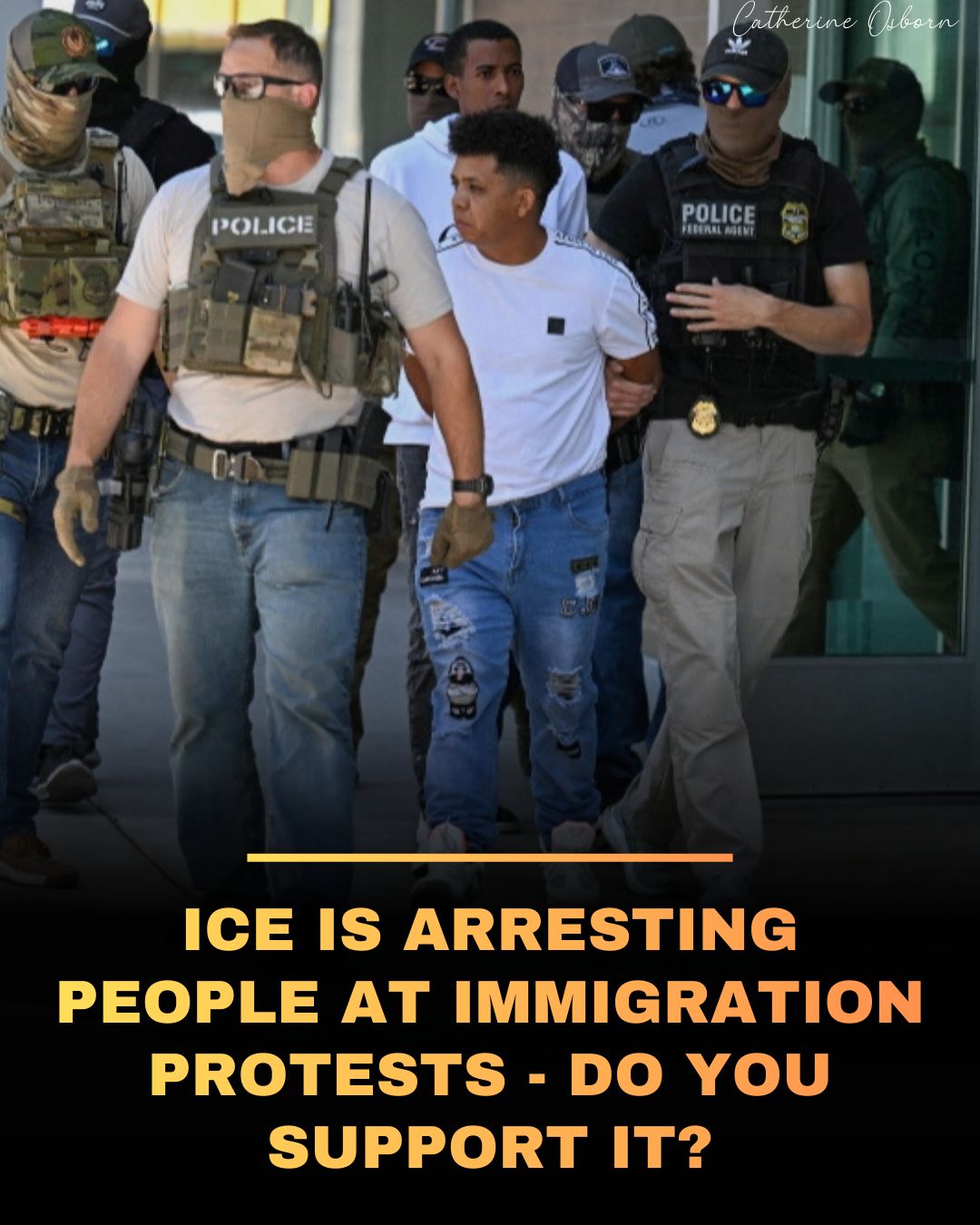
Immigration enforcement and the right to protest are colliding in new ways across the United States, creating a fresh flashpoint in a long-running national debate. Reports that U.S. Immigration and Customs Enforcement (ICE) has made arrests in and around immigration-related demonstrations have sparked strong reactions from supporters and critics alike. At the heart of the discussion are fundamental questions: How should immigration laws be enforced? Where do free speech and assembly fit in? And how should a democratic society balance civil liberties with the rule of law?
In recent years, immigration has remained one of the most politically and socially charged issues in the country. Demonstrations—both for and against stricter enforcement—have become common in major cities. These protests often bring together activists, community members, faith groups, and legal advocates. For many participants, protests are a way to highlight humanitarian concerns, family unity, and the lived realities of migrants. For others, they are a forum to argue for stronger border controls and consistent enforcement.
The current controversy centers on whether immigration status changes how enforcement is handled when people gather to protest. Supporters of firm enforcement argue that unlawful presence in the country is a legal matter independent of a person’s participation in public demonstrations. From this viewpoint, being present at a protest does not create immunity from immigration law. They emphasize that immigration statutes are federal law and that agencies are tasked with applying them consistently.
Critics counter that enforcement actions at or near protests can chill free expression and create fear in communities. They worry that people may avoid lawful assembly if they believe it could expose them or their families to immigration scrutiny. Civil liberties advocates often point out that the First Amendment protects speech and peaceful assembly for people within U.S. jurisdiction, regardless of immigration status. While the scope of those protections in specific contexts can be debated in court, the principle of open civic participation is deeply rooted in American political culture.
Some commentators have drawn historical parallels to the Palmer Raids of 1919–1920, when the federal government used immigration authority to detain and deport individuals amid fears of radical political movements. Those events remain controversial in hindsight, with many historians citing due process concerns and civil liberties implications. Invoking that history today underscores how immigration enforcement can become entangled with broader debates about dissent and national security.
Operationally, immigration enforcement involves a complex set of priorities and constraints. ICE and partner agencies must allocate resources across border security, interior enforcement, and removal operations, while also responding to court rulings and policy directives. Local conditions—such as cooperation with municipal authorities, court backlogs, and community relations—shape how enforcement looks on the ground. Policies can also shift with changes in administration, legislation, or judicial interpretation.
Legal experts note that two principles often intersect here: prosecutorial discretion and constitutional rights. Prosecutorial discretion allows agencies to prioritize certain cases over others based on policy goals and resource limits. Constitutional rights protect speech, religion, and assembly, but they do not erase the legal framework governing immigration status. How those principles are balanced can vary case by case and is frequently tested in litigation.
Public opinion remains divided. Polls over the past decade have shown that many Americans simultaneously support border security and pathways that consider humanitarian factors. That duality reflects the complexity of the issue. Communities across the country include mixed-status families, long-term residents, students, and workers whose lives are shaped by immigration policy. At the same time, voters concerned about the integrity of the legal immigration system often call for consistent enforcement to maintain fairness and deterrence.
Media coverage plays a powerful role in shaping perceptions. Images of arrests near protests can be interpreted very differently depending on one’s prior beliefs. Some see decisive action; others see overreach. In the social media era, short clips and headlines can amplify emotion while leaving out context about timing, location, or the legal basis for specific actions. That’s why careful reporting and transparency from authorities are crucial for public trust.
Another key dimension is community safety and cooperation. Law enforcement agencies often stress that effective policing relies on community relationships. If residents fear contact with authorities, they may be less likely to report crimes or serve as witnesses. Policymakers must weigh these considerations when designing enforcement strategies, especially in cities with large immigrant populations.
For protest organizers, clarity matters. Legal observers frequently advise participants on their rights and responsibilities, including how to remain within the bounds of local laws governing permits, public safety, and access to public spaces. Immigration attorneys also counsel clients on risks and options, which can differ based on individual circumstances. In a landscape where policies evolve, accurate legal guidance is essential.
Ultimately, this debate is about more than any single operation or protest. It touches on national identity, the meaning of citizenship, and how a country applies its laws while honoring civil liberties. Democracies regularly grapple with these tensions. The U.S. system—through elections, courts, and public discourse—provides avenues to contest and refine policy. That process can be contentious, but it is also how societies adapt.
A constructive path forward may include clearer standards, transparent communication, and robust oversight. When the public understands the legal rationale for actions and the safeguards in place, it can reduce misinformation and polarization. Likewise, ensuring access to due process and legal counsel helps uphold the legitimacy of outcomes.
As immigration remains a defining issue, the intersection of protests and enforcement will likely continue to draw scrutiny. The challenge for leaders is to protect both the rule of law and the space for civic participation. Finding that balance is difficult—but it is central to the health of a pluralistic democracy.