Puerto Rico holds a unique and often misunderstood place in the world. Located in the Caribbean, this vibrant island is rich in culture, history, and tradition, yet it is also politically and legally tied to the United States in ways that many people don’t fully understand. Conversations about Puerto Rico often bring up questions of citizenship, language, identity, and cultural influence. To truly appreciate Puerto Rico and its people, it helps to look at the full picture — historically, socially, and culturally.
A Unique Political Status
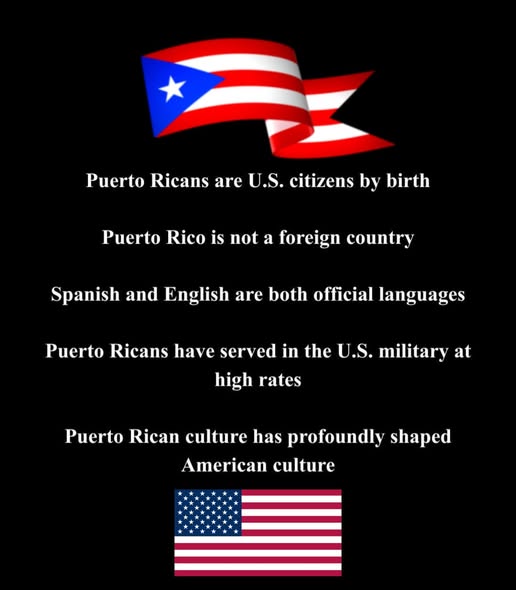
Puerto Rico is an unincorporated U.S. territory. This means it belongs to the United States but is not a state. Puerto Ricans have been U.S. citizens by birth since 1917, when the Jones-Shafroth Act was passed. As U.S. citizens, Puerto Ricans can move freely between the island and the mainland, serve in the U.S. military, and carry U.S. passports.
However, Puerto Rico’s territorial status also creates complexities. Residents of Puerto Rico cannot vote in U.S. presidential elections unless they live on the mainland, and while the island has a representative in Congress, that representative cannot vote on final legislation. This unique arrangement has fueled ongoing discussions about statehood, independence, or maintaining the current commonwealth status.
Despite these political debates, Puerto Ricans maintain a strong sense of identity that blends Caribbean roots with American ties.
Language and Communication
One of Puerto Rico’s strengths is its bilingual culture. Spanish and English are both official languages. Spanish is the primary language spoken in daily life, education, and media on the island, while English is widely taught in schools and used in government and business contexts.
This bilingual environment helps Puerto Ricans connect easily with both Latin American and U.S. cultures. It also contributes to Puerto Rico’s role as a cultural bridge between North America and the Spanish-speaking world.
Language in Puerto Rico is more than communication — it’s a reflection of history and identity. The Spanish spoken on the island carries influences from Taíno (the Indigenous people of the Caribbean), African heritage, and regional Caribbean dialects.
Military Service and Civic Contribution
Puerto Ricans have a long and proud history of service in the U.S. armed forces. From World War I to present-day missions, Puerto Ricans have served at high rates relative to population size. Units like the 65th Infantry Regiment — known as the “Borinqueneers” — earned distinction and respect for their bravery, especially during the Korean War.
Military service has often been seen by Puerto Rican families as a path to opportunity, honor, and connection with the broader United States. This tradition of service reflects both patriotism and a strong cultural emphasis on community and responsibility.
Cultural Influence Beyond the Island
Puerto Rican culture has profoundly shaped American culture, particularly in music, food, sports, and the arts. Puerto Rican rhythms helped popularize salsa, reggaeton, and Latin pop worldwide. These genres are now central to global music scenes, influencing artists across languages and borders.
In cities like New York, Orlando, and Chicago, Puerto Rican communities have played major roles in shaping local culture. From neighborhood festivals to culinary traditions, Puerto Rican heritage is deeply woven into the cultural fabric of many U.S. cities.
Puerto Rican cuisine — featuring dishes like mofongo, arroz con gandules, and lechón — has also gained recognition and appreciation far beyond the island.
Identity and Pride
Puerto Ricans often describe their identity as layered rather than divided. Many feel deeply connected to the island’s history while also recognizing their American citizenship. This dual identity is not a contradiction; it is a reflection of Puerto Rico’s historical journey.
Puerto Rican pride is visible in celebrations like parades, music festivals, and cultural events both on the island and in diaspora communities. The Puerto Rican flag itself is a powerful symbol of unity and heritage, frequently displayed at homes, businesses, and events.
Family, community, and resilience are central values. These values have helped Puerto Ricans navigate challenges ranging from economic shifts to natural disasters.
Resilience Through Challenges
Puerto Rico has faced significant challenges in recent decades, including economic struggles and the devastating impacts of hurricanes. Yet time and again, the people of Puerto Rico have demonstrated resilience and solidarity.
Community networks, cultural pride, and strong family ties often play a key role in recovery and rebuilding. Puerto Ricans both on the island and in the diaspora frequently come together to support one another during difficult times.
This resilience is a defining characteristic of Puerto Rican society and a source of admiration globally.
A Cultural Bridge
Perhaps one of Puerto Rico’s greatest strengths is its role as a cultural bridge. The island connects Latin American, Caribbean, and North American traditions in a way few places can. This blending creates a dynamic, creative environment where music, language, and art thrive.
Puerto Rico’s influence continues to grow as more people around the world discover its culture through travel, media, and music.
Looking Forward
The future of Puerto Rico remains an active topic of discussion, particularly regarding its political status. But beyond politics, Puerto Rico’s cultural and social contributions are undeniable.
Puerto Ricans continue to shape conversations about identity, citizenship, and culture in a globalized world. Their story is one of adaptation, pride, and creativity.
Understanding Puerto Rico means recognizing both its American connection and its distinct Caribbean heritage. It means appreciating the island not as a footnote, but as a vibrant place with a powerful cultural voice.